DUI (driving under the influence) and DWI (driving while intoxicated) both refer to drunk or impaired driving. Which term is used, and whether they differ, depends on the state.
Meaning
DUI is driving under the influence. DWI is driving while intoxicated (or impaired). Both refer to operating a vehicle with alcohol or drugs affecting you.
State differences
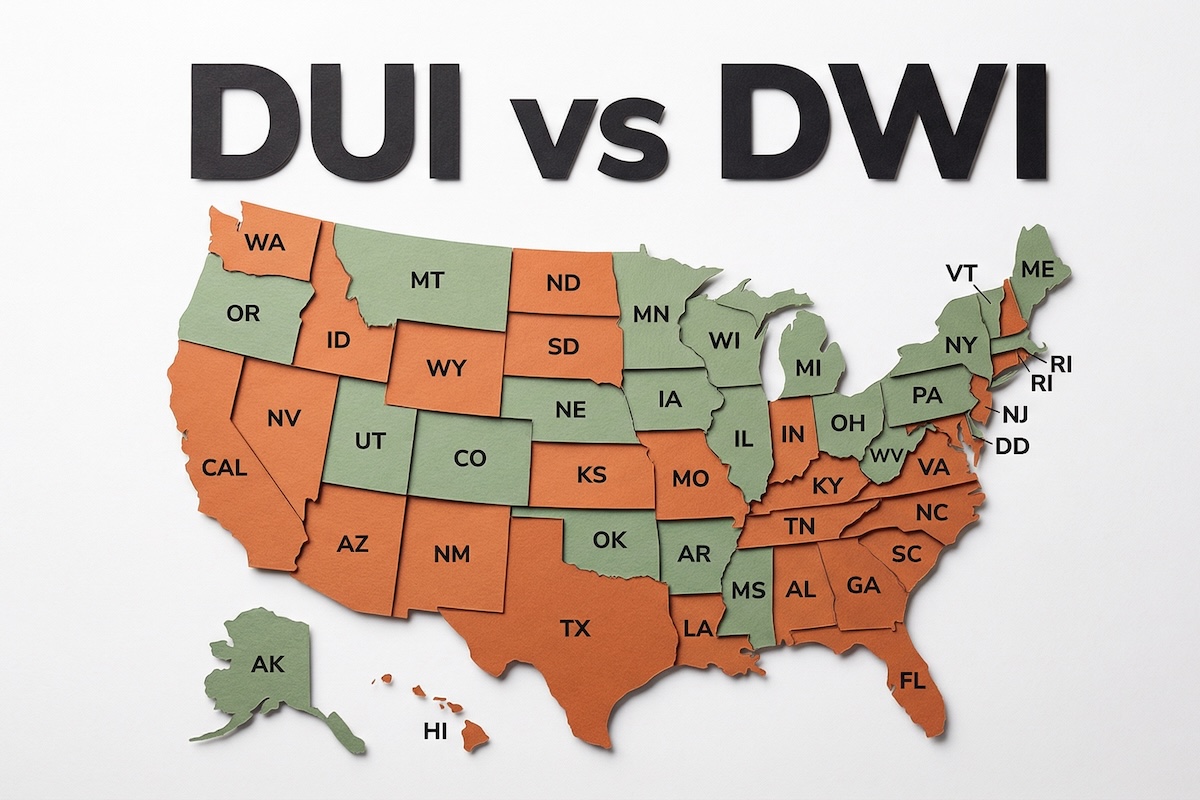
Some states use DUI (California, Florida), others DWI (New York, Texas) or OWI/OUI. A few states have both, with DWI for higher levels.
Legal limit
0.08 percent blood alcohol concentration (BAC) in all states except Utah (0.05 percent). Commercial drivers: 0.04 percent. Under 21: zero tolerance.
Penalties
Fines, license suspension, ignition interlock, jail and increased insurance. A conviction may stay on your record for years.
Refusing a test
Triggers automatic license suspension under implied consent laws.
Advice
Contact a lawyer if charged.
Risk
NHTSA reports about 13,000 US deaths per year in alcohol-impaired crashes.
Meaning
DUI means driving under the influence and DWI means driving while intoxicated (or impaired). Both refer to operating a vehicle with a blood alcohol concentration (BAC) over the legal limit or under the influence of drugs. Which term is used depends on the state. Some states use OWI (operating while intoxicated), OUI (operating under the influence) or DUII.
State differences
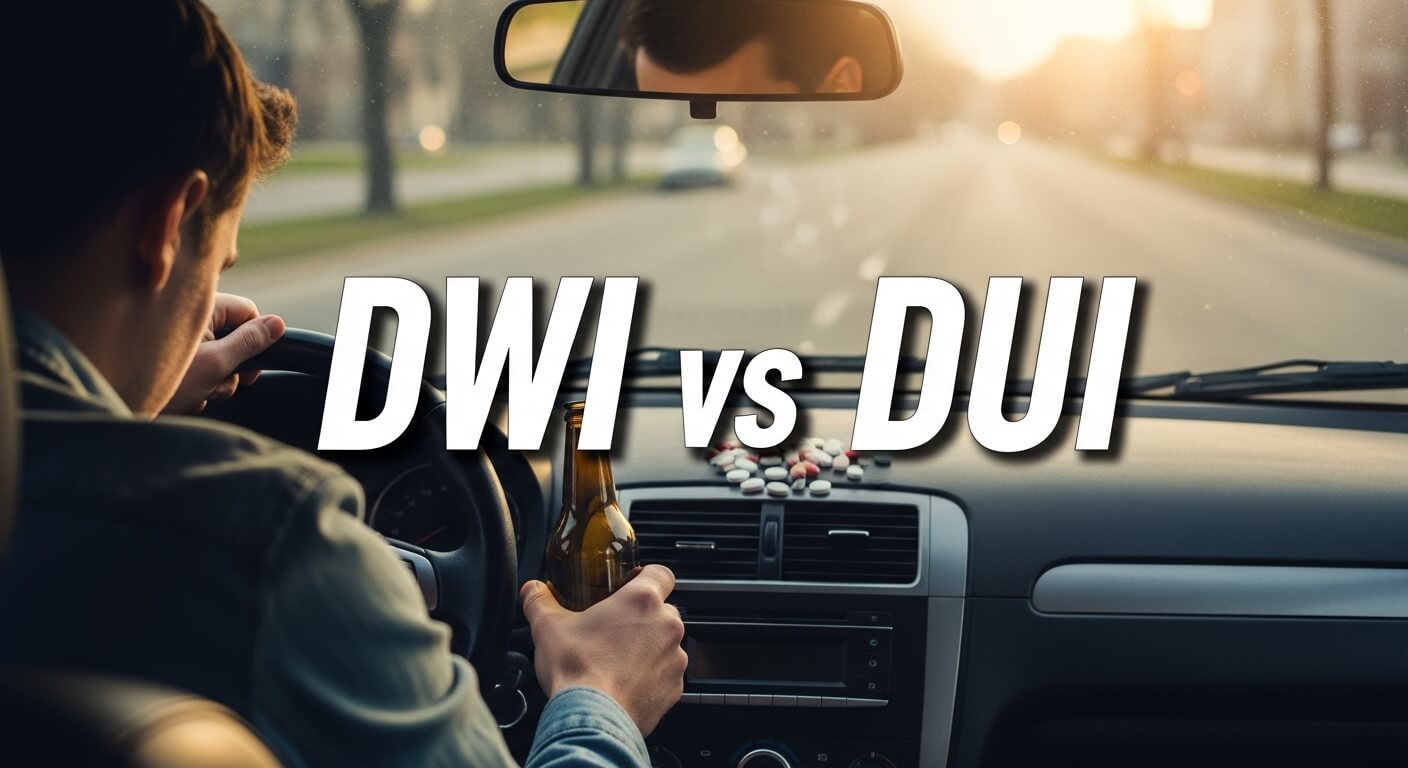
- Most states use DUI, such as California and Florida.
- Texas, New York, New Jersey and North Carolina use DWI. In New York, DWI is for alcohol and DAI for drugs.
- Some states have both. In Texas, DUI is a separate offense for drivers under 21 with any detectable alcohol, and DWI applies to the adult offense. In Virginia and Connecticut, differences also exist in the penalty levels. In states like Colorado, DUI is the main charge and DWAI (driving while ability impaired) is a lesser offense.
Legal limit
The BAC limit is 0.08% for drivers 21 and older in all states except Utah, which has 0.05%. Commercial drivers face 0.04%, and drivers under 21 have zero tolerance, typically 0.00% to 0.02%. About 11,800 people died in alcohol-impaired driving crashes in the US in 2022, according to NHTSA, around 32% of all traffic deaths.
Penalties
Penalties vary by state and by prior offenses. A first offense often includes fines of $500 to $2,000 or more, license suspension of 90 days to a year, possible jail time up to 6 months, mandatory alcohol education, probation and ignition interlock installation. Repeat offenses and high BAC (0.15% or higher) bring stronger penalties, including long suspensions, longer jail terms and felony charges. DUI with injury or death can lead to years in prison. Total costs including insurance increases often exceed $10,000.
Refusing a test
Under implied consent laws, drivers who refuse a breath or blood test face automatic license suspension, often 1 year for a first refusal, and can be penalized in court. Police may get a warrant for a blood draw.
Advice
Plan a sober ride, use a rideshare or designated driver. If charged, contact a criminal defense attorney quickly, as there are strict deadlines (often 10 to 30 days) to challenge a license suspension. This is general information, not legal advice.
Risk
A driver’s reaction and judgment are impaired at BAC far below 0.08%. At 0.02%, visual functions and the ability to multitask decline. Drugs, including some prescription medicines and cannabis, can also lead to impaired driving charges.

Alcohol limits and consequences
DUI means driving under the influence and DWI means driving while intoxicated. Which term is used depends on the state, and a few states use both, such as New York, which has DWI for alcohol and Driving While Ability Impaired for lower levels. In all states, the legal blood alcohol concentration limit for drivers aged 21 and over is 0.08 percent, except Utah, which lowered it to 0.05 percent in 2018. Commercial drivers face a limit of 0.04 percent, and drivers under 21 face zero tolerance laws with limits of 0.00 to 0.02 percent. Penalties for a first offense can include fines of 500 to 2,000 USD, license suspension of months to a year, mandatory alcohol education and possible jail. Refusing a breath test can trigger automatic license suspension under implied consent laws. Contact a licensed attorney in your state, as laws differ.
Based on data from NHTSA and the Governors Highway Safety Association