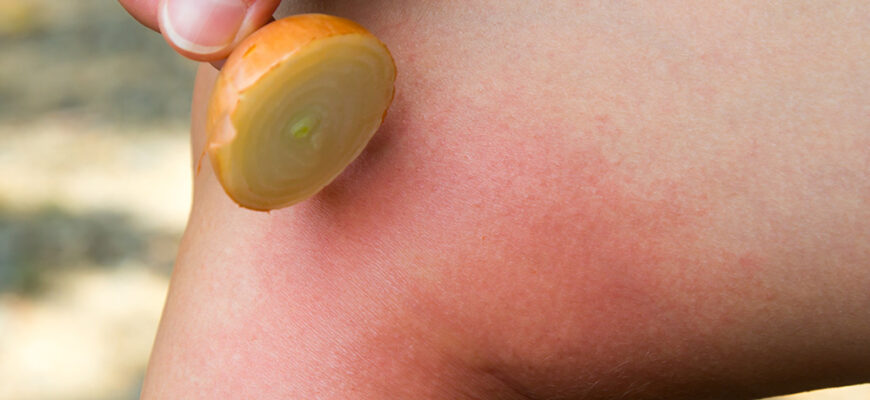
Scrape out the stinger, wash the area, apply a cold pack, and take an antihistamine if needed. Call 911 if there is trouble breathing, swelling of the face, or dizziness.
Steps
- Move away from the bees.
- Scrape out the stinger with a card edge within 30 seconds if possible.
- Wash with soap and water.
- Apply a cold pack for 10 minutes.
- Take an antihistamine or pain reliever if needed.
Call 911
For trouble breathing, swelling of the face or throat, dizziness, hives over the body or a fast pulse. Use an epinephrine auto-injector if prescribed.
Care
Swelling can last 5 to 10 days.
Stinger removal
Honey bees leave their stinger and venom sac in the skin, and it continues to pump venom for up to a minute. Scrape it away quickly with a fingernail or a credit card edge. Speed matters more than the method, although pinching with tweezers is acceptable if you cannot scrape.
Clean and cool
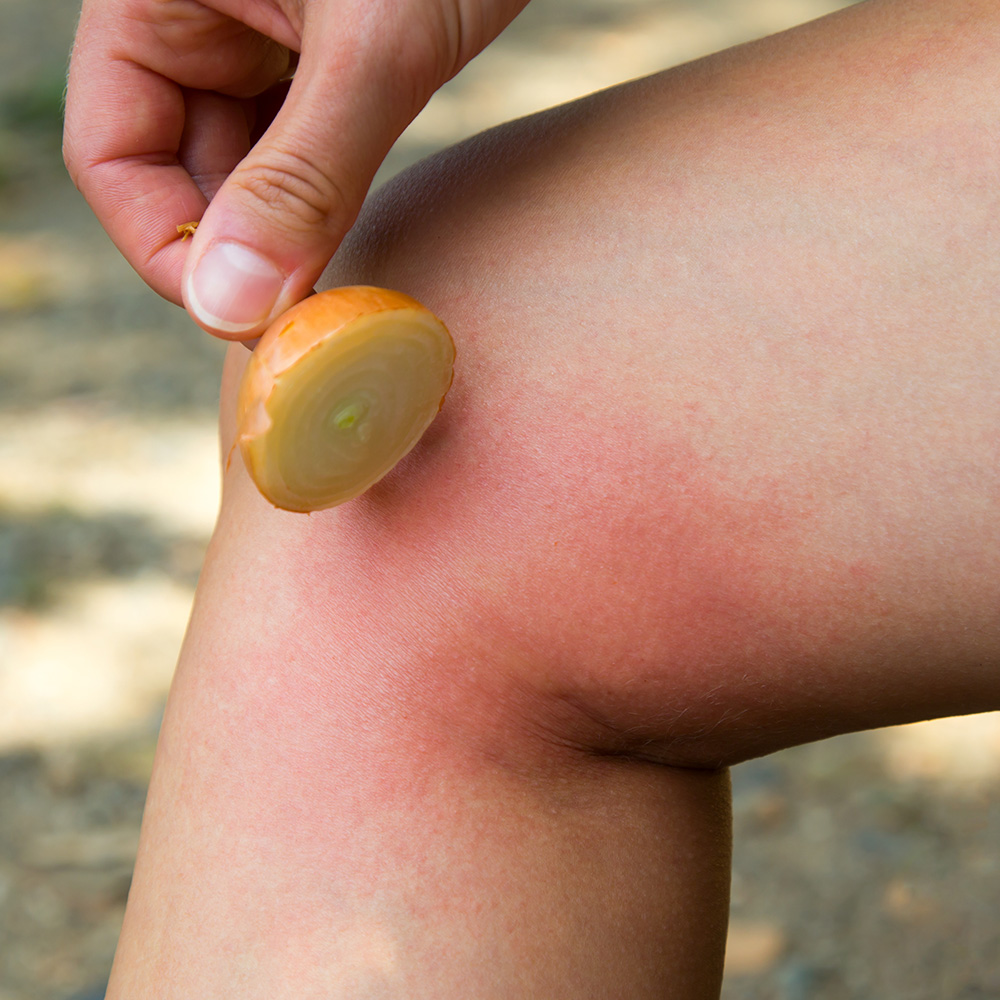
Wash with soap and water. Apply a cold pack wrapped in a cloth for 10 to 15 minutes. Elevate the limb if the sting is on an arm or leg.
Pain and swelling
Take acetaminophen or ibuprofen for pain. Use an oral antihistamine for itching, and hydrocortisone cream or calamine lotion for the skin.
Normal reaction
Pain, redness, swelling and a small welt around the site, lasting hours to a couple of days. Large local reactions can swell over several days and extend beyond the sting site, and they can last up to a week.

Anaphylaxis signs
- Hives or itching all over the body.
- Swelling of the face, lips or tongue.
- Wheezing or trouble breathing.
- Dizziness, fainting, rapid pulse.
- Nausea, vomiting or abdominal cramps.
Call 911 immediately. Use an epinephrine auto-injector if the person has one, injecting into the outer thigh, and lay them flat with legs raised, unless it makes breathing harder. A second dose may be needed after 5 to 15 minutes if symptoms persist.
How common
About 1% to 3% of children and 3% of adults have severe allergic reactions to stings, according to the American Academy of Allergy, Asthma and Immunology.
Prevention
- Avoid wearing bright colors or floral scents outdoors.
- Cover soda cans and food outside.
- Wear shoes outside.
- Allergists can provide venom immunotherapy, which prevents reactions in about 90% to 98% of patients.
Sting biology and removal
A honeybee leaves its barbed stinger and venom sac in the skin, and the sac keeps pumping venom for up to about a minute, so remove the stinger as fast as possible by scraping it off with a fingernail or a card edge. Squeezing it with tweezers is less important than speed. Wasps and hornets can sting repeatedly because they do not lose the stinger. Wash with soap and water, apply a cold pack for 10 to 15 minutes, take an antihistamine for itching and an over the counter pain reliever for pain. A normal local reaction causes pain, redness and swelling that peak at 24 to 48 hours.

Allergic reactions
A large local reaction, with swelling more than 10 cm across, can last 5 to 10 days. Systemic allergic reactions affect an estimated 3 percent of adults, and signs include hives all over, swelling of the lips or tongue, wheezing, vomiting, dizziness or fainting. This is anaphylaxis, and requires epinephrine from an auto-injector if prescribed, then a call to 911. People with a history of severe reactions should carry two auto-injectors and may benefit from venom immunotherapy, which protects more than 90 percent of patients, according to allergy specialists. Avoid wearing bright colors and floral scents outdoors, and be careful around open food and drinks.
Based on data from the American Academy of Allergy, Asthma and Immunology and the Mayo Clinic