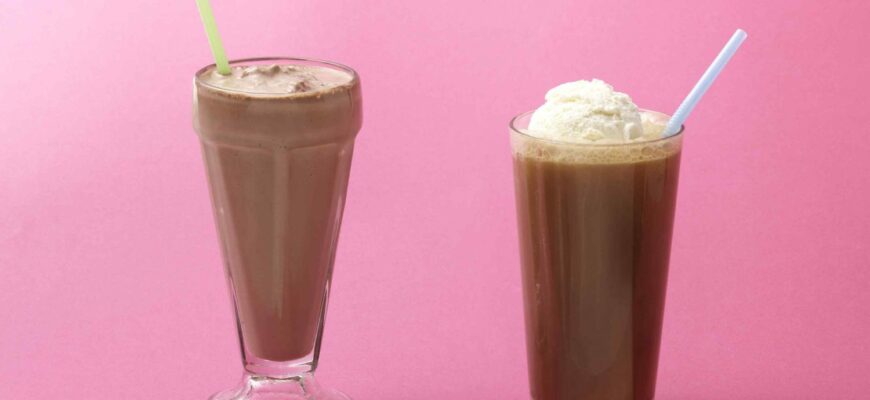
A malt is a milkshake made with malted milk powder, which adds a toasty, slightly sweet flavor.
The difference
A shake is made from ice cream and milk. A malt adds malted milk powder, which gives a nutty, toasty and slightly sweet taste.
Malted milk powder
A mix of malted barley, wheat flour and evaporated milk, created by William Horlick in the 1870s to 1880s.
Calories
A malt has 40 to 100 more calories than a plain shake.
Make a malt
Blend 2 scoops ice cream, 1/2 cup milk and 2 tablespoons of malted milk powder.
Regional names

In some places, a “shake” may have no ice cream, and in New England, “frappe” or “cabinet” are names.
Variants
Chocolate malt, vanilla malt.
The core difference
A milkshake is blended ice cream, milk and flavoring like vanilla, chocolate or strawberry. A malt, or malted milkshake, is a milkshake with malted milk powder added. The powder gives a toasty, slightly sweet, nutty flavor that stands out from a plain shake. Without malt powder, it is just a shake.
What malted milk powder is
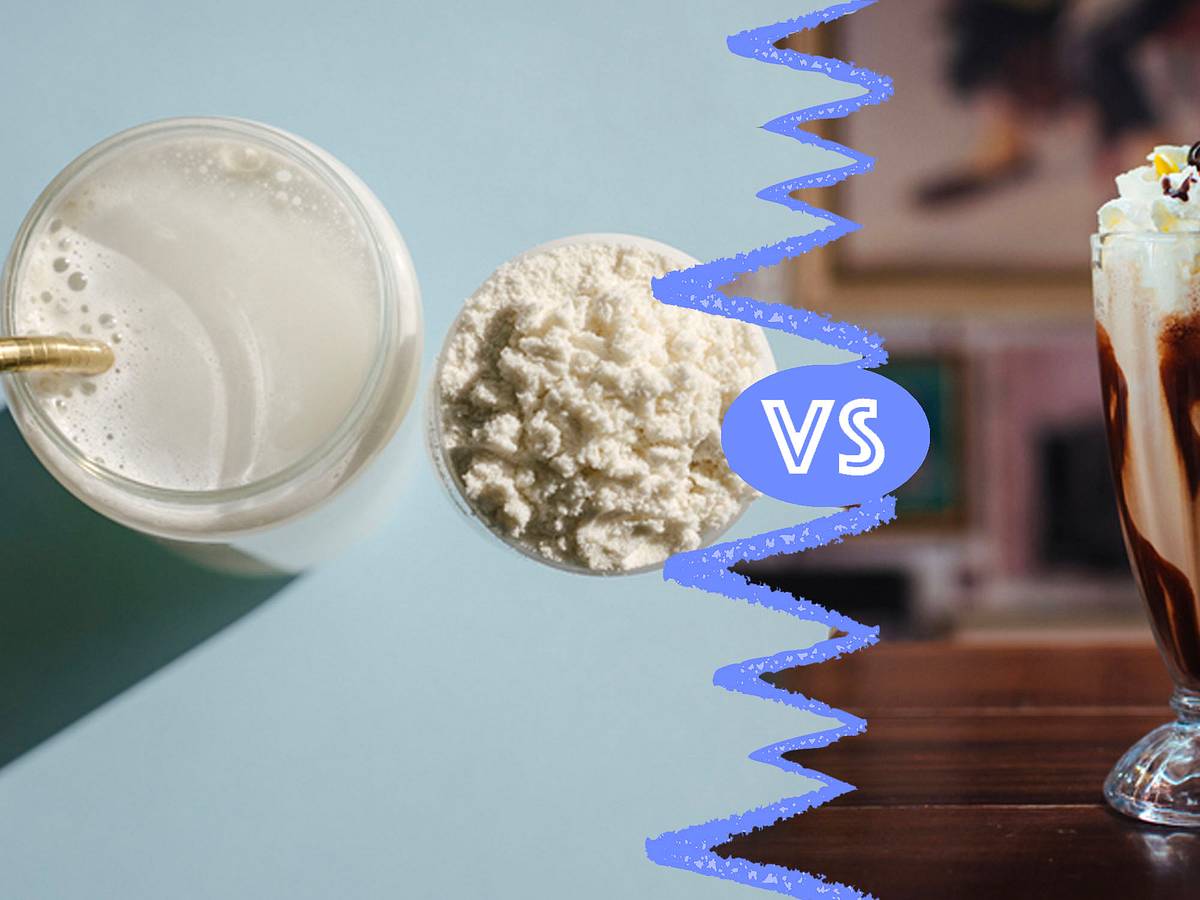
Malted milk powder is made from malted barley, wheat flour and evaporated whole milk, dried into a powder. It was created by William Horlick in 1873 in Racine, Wisconsin, and was first sold as an infant food and health drink. Brands include Carnation, Horlicks and Ovaltine. It contains gluten from barley, so malts are not suitable for people with celiac disease.
Calories
A 16-ounce vanilla milkshake from a restaurant contains about 500 to 800 calories. Adding 2 tablespoons of malt powder adds about 80 to 100 calories, and 15 to 20 grams of carbohydrates. A large fast food shake can pass 1,000 calories and over 100 grams of sugar. The American Heart Association recommends no more than 25 grams of added sugar a day for women and 36 grams for men.
How to make a malt
- 3 scoops (about 1.5 cups) of vanilla ice cream.
- Half a cup of cold milk.
- 2 to 3 tablespoons of malted milk powder.
- Blend until thick and smooth, adding milk to thin it out.
- Top with whipped cream, and malted milk balls if you like.
Use less milk for a thicker drink.
Regional names
Names vary across the US. In New England, a “milkshake” can mean milk and syrup without ice cream, while a “frappe” has ice cream. In Rhode Island, a “cabinet” is a milkshake. In parts of the Midwest and the South, a “malt” means a malted shake. In the UK a milkshake often means a thin drink with flavored milk and no ice cream.
Variants
- Egg cream: a New York drink with milk, seltzer and chocolate syrup, containing no egg or cream.
- Float: ice cream in soda.
- Smoothie: blended fruit with juice or yogurt, usually no ice cream.
- Frozen custard shake: thicker and richer.

Nutrition and ordering
A malted milkshake adds malted milk powder, which contains barley malt, wheat flour and milk solids, to ice cream and milk. A 12 ounce chocolate shake from a fast food chain can have 500 to 700 calories, and malts add about 50 to 100 calories more depending on the scoops. Malted milk powder was invented by William Horlick in 1873 and James Horlick in Racine, Wisconsin, and was patented in 1883. The soda fountain malt became popular in the 1920s. Malt contains gluten from barley, so malts are not safe for people with celiac disease. Regional names for shakes vary, such as “frappe” in New England and “cabinet” in Rhode Island.
Based on data from the USDA FoodData Central and food history references