Caffeine from coffee stays in your system for about 5 hours on average (half-life) and up to 10 hours or more in some people.
Half-life
Caffeine’s half-life in healthy adults is about 5 hours (range 1.5 to 9.5 hours). Half remains after 5 hours, and a quarter after 10. It can take 10 hours or more to clear mostly.
What changes it
- Pregnancy: up to 15 hours in later stages.
- Oral contraceptives: doubles the time.
- Liver disease, smoking (shortens), genetics.
- Age.
Sleep
The Sleep Foundation advises avoiding caffeine at least 6 to 8 hours before bed.
Safe limit
The FDA says 400 mg a day (about 4 cups of coffee) is generally safe.
Cup content

An 8 oz brewed cup has 95 mg.
Withdrawal
Headaches appear 12 to 24 hours after the last dose.
Half-life
Caffeine has an average half-life of about 5 hours in healthy adults, with a range of 1.5 to 9.5 hours. This means that after 5 hours, about half of the caffeine is still in your body, and after 10 hours, about a quarter remains. Traces can be detected in blood for up to 10 to 12 hours or more, and in saliva for 24 hours. Full elimination takes around 24 hours for most people.
What changes it

- Genetics: variants in the CYP1A2 gene make some people fast metabolizers and others slow.
- Pregnancy slows elimination, with a half-life that may reach 15 hours in the third trimester.
- Oral contraceptives double the half-life.
- Liver disease can extend it to 96 hours.
- Smoking speeds clearance by about 50%.
- Certain medications and grapefruit juice can slow it, as can some antibiotics.
- Newborns clear caffeine slowly, with half-life over 80 hours.
Sleep
A study in the Journal of Clinical Sleep Medicine found that 400 milligrams of caffeine taken 6 hours before bedtime reduced total sleep time by more than an hour. Experts suggest stopping caffeine at least 8 hours before bed, or around noon to 2 p.m. for most people.
Safe limit
The FDA says up to 400 milligrams of caffeine a day is not generally associated with dangerous effects in healthy adults. Pregnant women are advised by the American College of Obstetricians and Gynecologists to stay under 200 milligrams. Adolescents are advised to keep under 100 milligrams. A lethal dose in adults is estimated at about 10 grams, equal to about 100 cups of coffee.
Cup content
- Brewed coffee, 8 ounces: about 95 milligrams, ranging from 70 to 140.
- Espresso, 1 ounce: about 63 milligrams.
- Black tea, 8 ounces: about 47 milligrams.
- Green tea: about 28 milligrams.
- Cola, 12 ounces: about 34 milligrams.
- Energy drink, 16 ounces: about 150 to 200 milligrams.
- Decaf coffee: 2 to 15 milligrams.
Withdrawal
Regular drinkers who stop abruptly may have headaches, fatigue, irritability and poor concentration, starting 12 to 24 hours after the last dose, peaking at 20 to 51 hours and lasting 2 to 9 days. Taper down gradually to reduce symptoms. Withdrawal is an officially recognized condition in the DSM-5.
Half-life numbers and limits
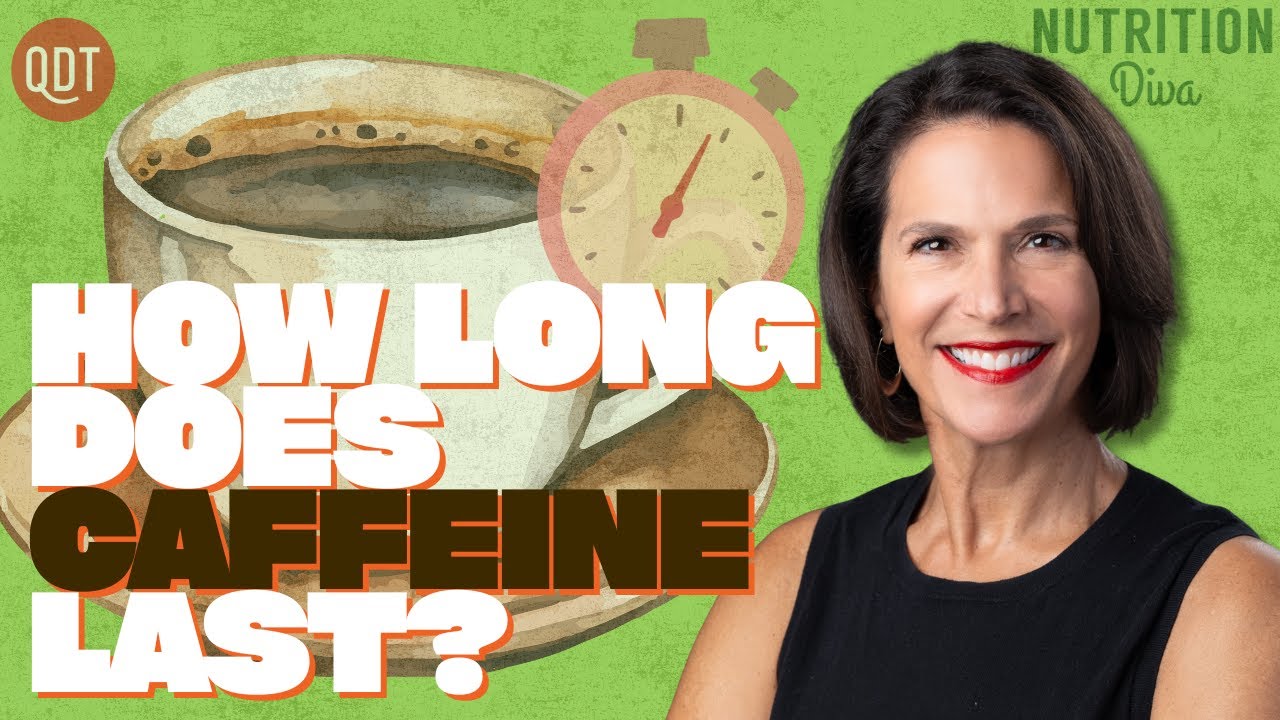
Caffeine reaches peak blood levels about 30 to 60 minutes after drinking, and its average half-life in healthy adults is about 5 hours, with a range of 1.5 to 9.5 hours. This means that after 5 hours, half of the caffeine is still in the body, and it can take 10 hours or more to clear most of it. Pregnancy extends the half-life to about 15 hours in late pregnancy, and oral contraceptives double it. Smokers clear it faster, around 3 hours. The FDA states that up to 400 mg of caffeine per day (about four 8 ounce cups of brewed coffee) is generally safe for most healthy adults, while pregnant women are advised by ACOG to stay under 200 mg. A cup of drip coffee holds about 95 mg, espresso about 63 mg per shot, black tea about 47 mg and cola about 34 mg per 12 ounces. Stopping heavy use suddenly can cause withdrawal headaches within 12 to 24 hours.
Based on data from the FDA and ACOG