
A tire pressure sensor measures the air pressure in each tire and sends it to the dashboard to warn you when it is low.
What it does
A tire pressure monitoring system (TPMS) tells you when tire pressure is low. It has been required on new US passenger vehicles since 2008 (TREAD Act).
Direct TPMS
Each wheel has a sensor inside the tire that measures pressure and sends a radio signal to the car. Battery lasts 5 to 10 years.
Indirect TPMS
Uses wheel speed sensors in the ABS to detect a tire rotating faster because it’s smaller from low pressure.
Warning light
Comes on at 25 percent below the recommended pressure. A flashing light means a system fault.
Reset
After inflating, drive a few miles or use the reset button.
Check
Use a gauge monthly. Correct pressure is on the driver’s door jamb sticker.
Cost
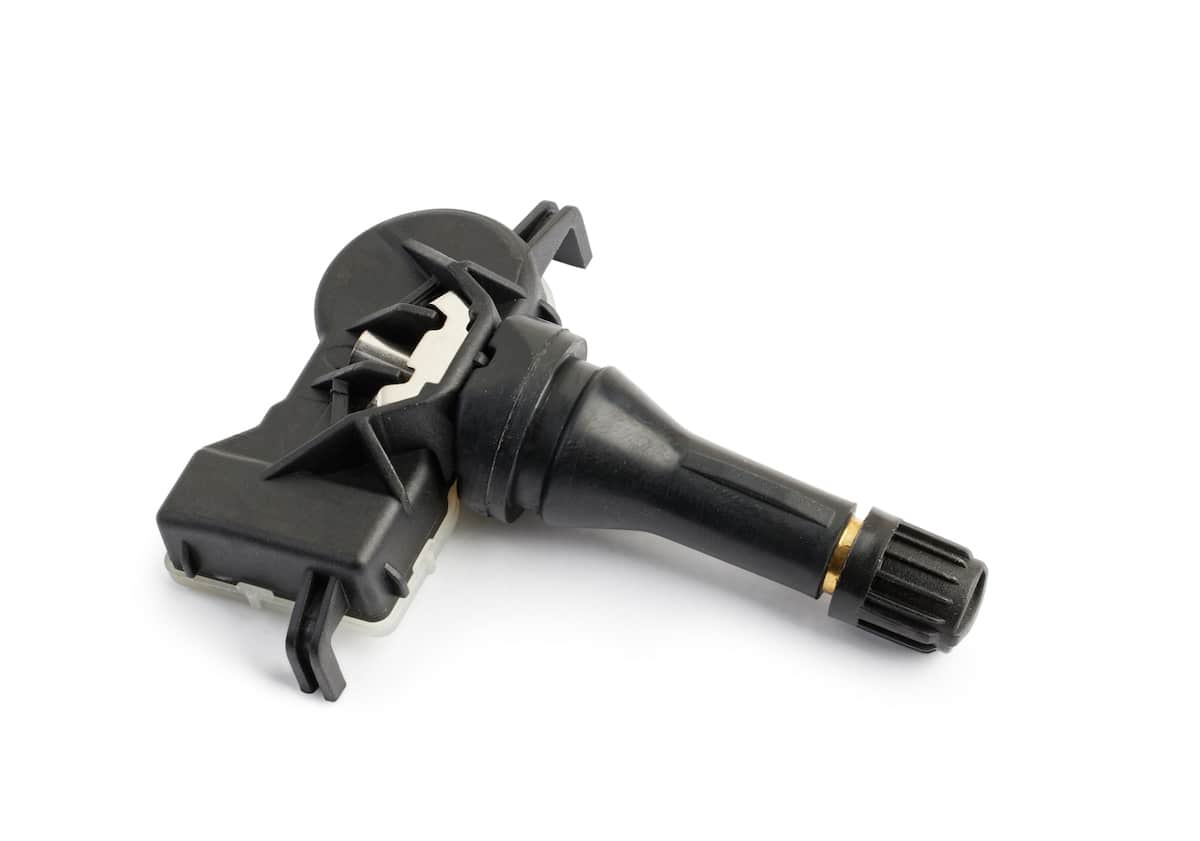
Sensor replacement $50 to $150 each.
Direct and indirect systems
Direct TPMS uses a pressure sensor inside each wheel, usually attached to the valve stem, which sends data wirelessly to the car’s computer. Indirect TPMS uses the wheel speed sensors of the ABS system: an underinflated tire has a smaller diameter and spins faster.
Legal background
In the US, the TREAD Act of 2000 made TPMS mandatory on all new passenger vehicles from the 2008 model year.
Warning threshold
The system must warn when a tire is 25% below the recommended pressure. A tire that low can already be a hazard, so check tires monthly yourself.
Battery life

Direct sensors have sealed batteries lasting about 5 to 10 years. When the battery dies, the sensor must be replaced.
What the light means
- Steady light: one or more tires is low. Check the pressure when the tires are cold.
- Flashing then steady light: a fault in the TPMS itself, like a dead sensor.
Correct pressure
Use the number on the sticker in the driver’s door jamb, not the number on the tire sidewall, which is the maximum pressure.
Temperature effect
Tire pressure drops about 1 psi for each 10 degrees F decrease in temperature, so the light often comes on in cold weather.
Resetting
After inflating, drive for about 10 minutes at over 50 mph, or use the reset button or menu found in the owner manual.
Replacement cost
A sensor typically costs about 50 to 150 dollars per wheel with installation.
Seasonal tires
Swapping to winter tires may require a second set of sensors or reprogramming.
Legal and technical background
In the US, the TREAD Act of 2000 required tire pressure monitoring systems on all new passenger vehicles from the 2008 model year. A TPMS warns the driver when tire pressure falls 25 percent or more below the recommended pressure. Direct systems use a battery powered sensor inside each wheel that measures pressure and sometimes temperature and transmits by radio, with sensor batteries lasting about 5 to 10 years. Indirect systems use ABS wheel speed sensors to detect a tire turning faster because it is smaller, and they require resetting after inflating tires or rotating them. The correct pressure is on the sticker inside the driver door jamb, not on the tire sidewall, which shows only the maximum.

Maintenance and cost
Tire pressure drops about 1 psi for every 10 F drop in air temperature, so the light often comes on during the first cold days of fall. A flashing TPMS light that blinks for about a minute and then stays on indicates a system fault rather than low pressure. Replacing a sensor costs about 50 to 150 USD per wheel, including programming. Winter tires need their own sensors to avoid remounting costs. Under inflated tires cost fuel economy, since the Department of Energy says proper inflation can improve gas mileage by about 0.6 percent on average, up to 3 percent in some cases. Check pressure monthly with a gauge when tires are cold.
Based on data from NHTSA and the US Department of Energy




