
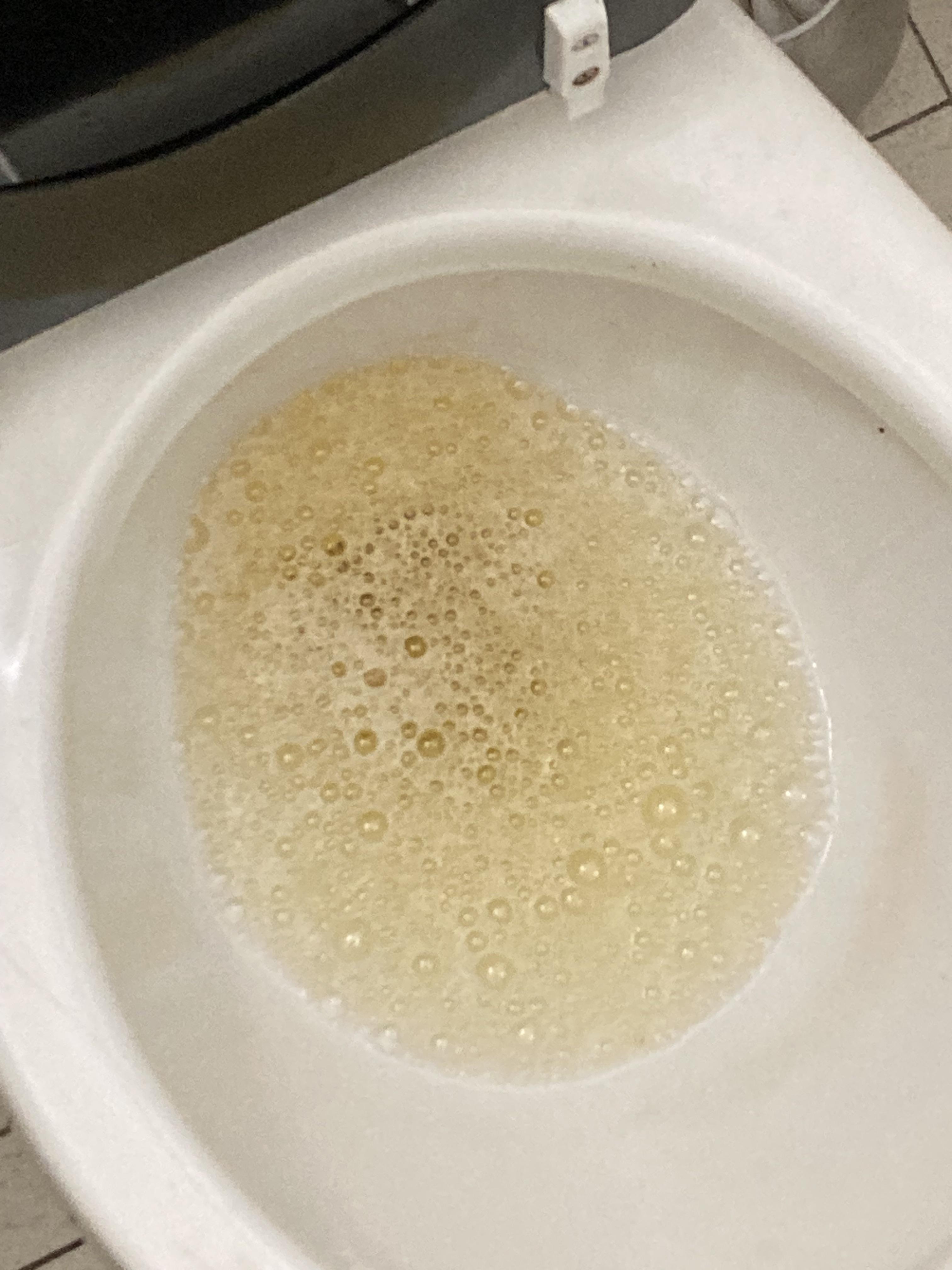
Bubbles in urine are usually caused by a fast stream, but persistent foam can signal protein in the urine. See a doctor if it keeps happening.
Common reason
Bubbles are usually caused by urine hitting the toilet water with force, especially with a full bladder. Dehydrated, concentrated urine can foam more.
Medical causes
Persistent foam can signal protein in the urine (proteinuria), which may be from kidney disease, diabetes or high blood pressure.
Other causes
- Urinary tract infection.
- Retrograde ejaculation.
- Fistula (rare).
What to do
Drink water. If foam is frequent, test with a urine dipstick at your doctor’s.
See a doctor if
Foam persists with swelling in the feet, face or around the eyes, fatigue, or blood in urine.

Testing
Urine albumin-to-creatinine ratio.
Common reason
Bubbles or foam in urine are often caused by a fast urine stream hitting the toilet water, which traps air, like pouring water into a glass. A full bladder and strong stream produce more bubbles, and bubbles that disappear in a minute or two are generally harmless. Concentrated urine from dehydration can also look foamy. Cleaning products in the toilet bowl can add bubbles.
Medical causes
Foamy urine that persists, with many bubbles in each void, can be a sign of excess protein (proteinuria), which may signal kidney disease. Healthy kidneys filter out waste but keep protein in the blood. Damaged kidneys let albumin leak into urine. Causes include:
- Diabetes, the leading cause of kidney failure (diabetic nephropathy).
- High blood pressure.
- Glomerulonephritis and other kidney diseases.
- Preeclampsia in pregnancy.
- Heart disease, lupus, multiple myeloma and some infections.
- Certain medicines, such as NSAIDs.
About 1 in 7 US adults has chronic kidney disease, and most do not know it, according to the CDC.
Other causes
- Retrograde ejaculation, when semen goes into the bladder, in men.
- Urinary tract infections, which can cause cloudy urine with a smell.
- Dehydration.
- Vigorous exercise can cause temporary proteinuria.
- Fistula between bladder and bowel (pneumaturia), which causes gas bubbles in urine, rare and needing medical review.
- Excess protein from supplements.
What to do
- Drink enough water and see whether bubbles persist.
- Note how often and for how many days, and whether there are other symptoms.
- Consider whether you have diabetes or high blood pressure, and have them checked.
- Avoid heavy use of NSAIDs.
See a doctor if
Bubbles are persistent over several days, come with swelling in the face, ankles or hands, fatigue, changes in urine color, blood in urine, pain, fever, nausea or shortness of breath. High blood pressure or diabetes makes it more important.
Testing
A urinalysis dipstick can detect protein. A urine albumin-to-creatinine ratio (ACR) measures it precisely, with a result above 30 mg/g being abnormal. Doctors may also check blood creatinine and estimated GFR to see kidney function. Early treatment can slow kidney damage.

Urine tests and kidney connection
A small amount of bubbles often occurs when urine hits the toilet water with force, or when the bladder is full and the stream is fast. Persistent foam that does not clear may mean protein in urine (proteinuria), which can signal kidney disease. About 37 million US adults have chronic kidney disease, and nine out of ten of them do not know it, according to the CDC. A urine dipstick test or an albumin to creatinine ratio test measures protein, and a result over 30 mg/g suggests kidney damage. Dehydration, a urinary tract infection, high blood sugar, preeclampsia in pregnancy and retrograde ejaculation in men can also cause foamy urine. Toilet cleaners can create bubbles in the bowl. See a doctor if the foam persists for several days, or comes with swelling in the legs, face or around the eyes, fatigue, changes in urination or blood in urine.
Based on data from the CDC and the National Kidney Foundation







