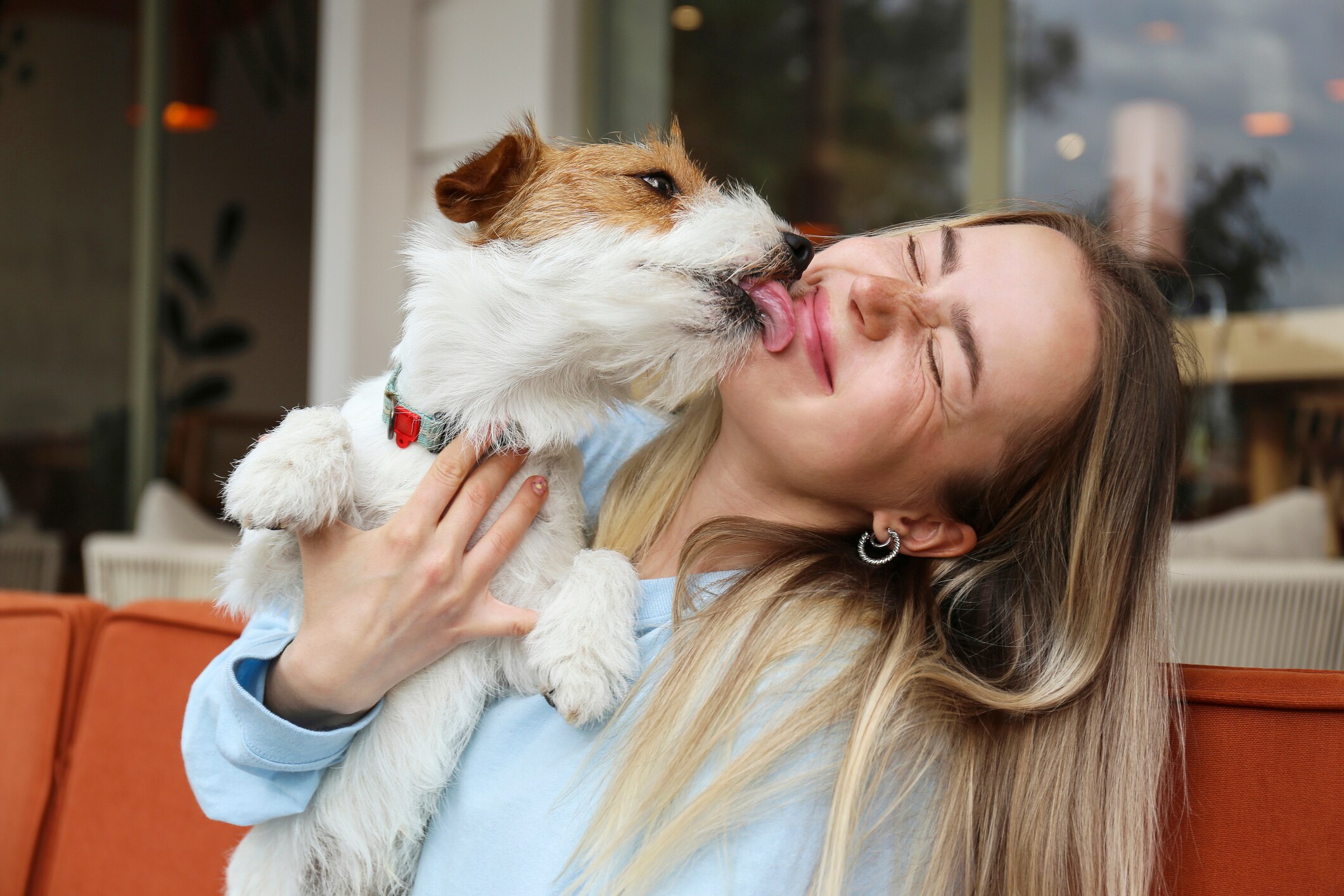
Dogs lick faces to show affection, to groom you, to get attention, and because they like the taste of salt.
Reasons
- Affection: licking releases endorphins in dogs.
- Instinct: puppies lick their mother’s mouth to ask for food.
- Taste: salt on skin.
- Grooming and bonding.
- Attention.
- Submission and greeting.
Hygiene
A dog’s mouth contains bacteria like Capnocytophaga. The CDC says rarely they cause illness in people with weak immune systems. Avoid dogs licking open wounds or your mouth.
Stop it
Turn away and reward calm behavior.
Excess
Compulsive licking can signal anxiety.
Wash
Wash your face afterward.
Not allergic
Some people react to saliva.
Instinct and communication
Licking is an inherited behavior from wolves, where puppies lick the mother’s mouth to get her to regurgitate food. Adult dogs may lick faces as a greeting or a sign of submission.
Taste and smell
Human skin has salt, sweat and food residue. Dogs have around 300 million scent receptors compared to 6 million in humans, so a face carries a lot of information.
Attention
If licking leads to attention, such as laughing or petting, a dog learns that it works and repeats the behavior.
Affection and bonding
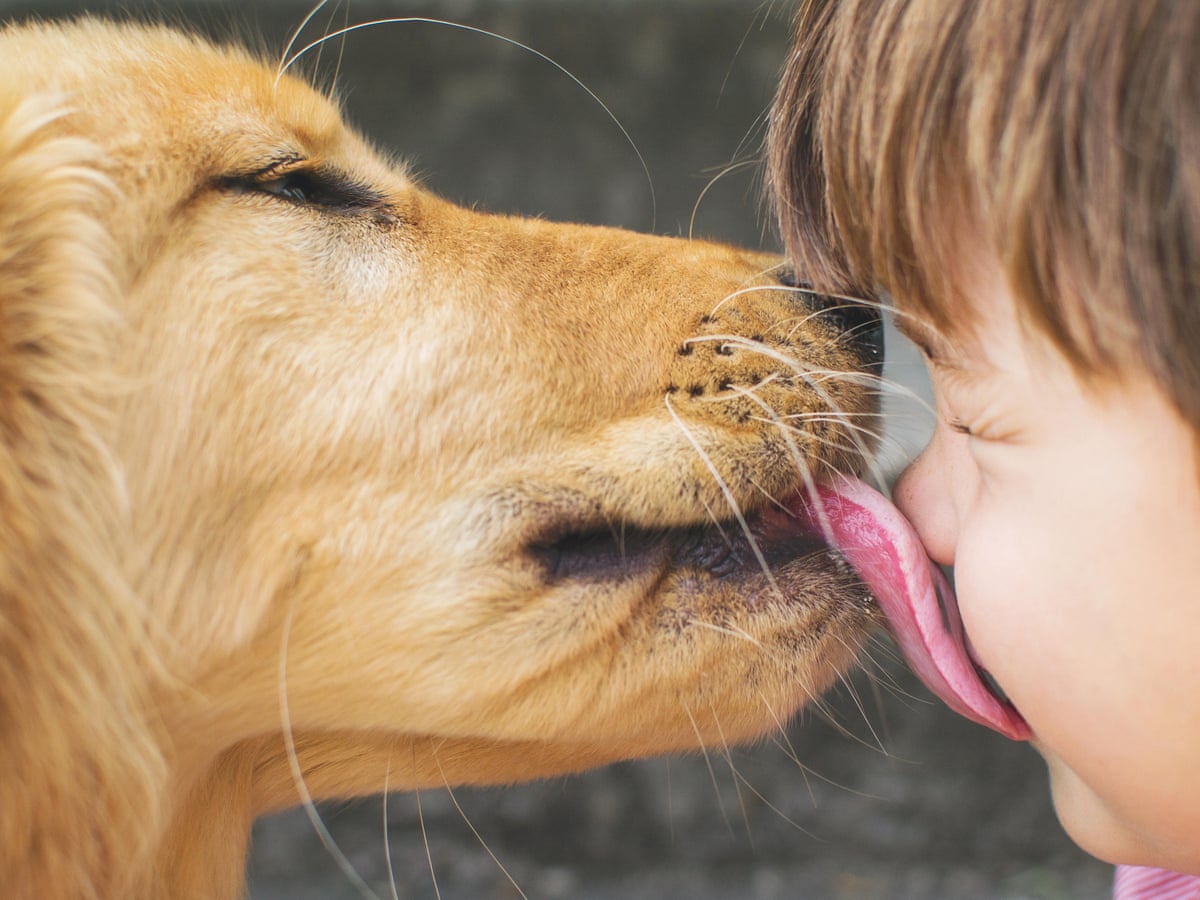
Licking and social contact can release endorphins and oxytocin in dogs. A 2015 study in Japan found that mutual gazing between dogs and owners raises oxytocin in both.
Stress relief
Repetitive licking can soothe a stressed or bored dog. Excessive licking of people or surfaces can point to anxiety, compulsive behavior or medical issues like nausea or allergies.
Health considerations
- Dog saliva contains bacteria such as Pasteurella, and Capnocytophaga can cause rare serious infections in people with weak immune systems.
- Avoid letting dogs lick the mouth, eyes or open wounds.
- Wash your face and hands after being licked.
Training
- Teach “enough” or “off” and reward when the dog stops.
- Redirect to a chew or a toy.
- Walk away calmly if licking continues, without punishing.
Exercise
A dog that gets sufficient exercise and mental stimulation tends to lick less out of boredom.
When to see a vet
Constant licking of people or objects, or sudden change in behavior, can have a medical reason such as gastrointestinal upset, and a vet can check it.
Instinct and health points
Puppies lick their mother’s mouth to prompt her to regurgitate food, and the behavior stays as a greeting and sign of submission. Licking can be affectionate, soothe the dog through endorphin release, signal attention seeking or taste salt on your skin. Dogs have about 300 million olfactory receptors, compared with about 6 million in humans, so taste and smell matter. Excessive licking can be a compulsive behavior or a response to anxiety or boredom.

Hygiene considerations
Dog mouths contain bacteria, including Capnocytophaga canimorsus, which can cause serious infection in rare cases, especially for people with weak immune systems, according to the CDC, usually through bites or scratches. Avoid letting dogs lick open wounds, the mouth or face of infants and immunocompromised people. Wash your hands and face after contact. Teach alternatives such as sit and a treat, or turn away and ignore the licking. Provide exercise and toys to reduce stress licking. See a vet if licking of surfaces or itself becomes constant, since it can signal pain, nausea or allergies.
Based on data from the CDC and the American Kennel Club