
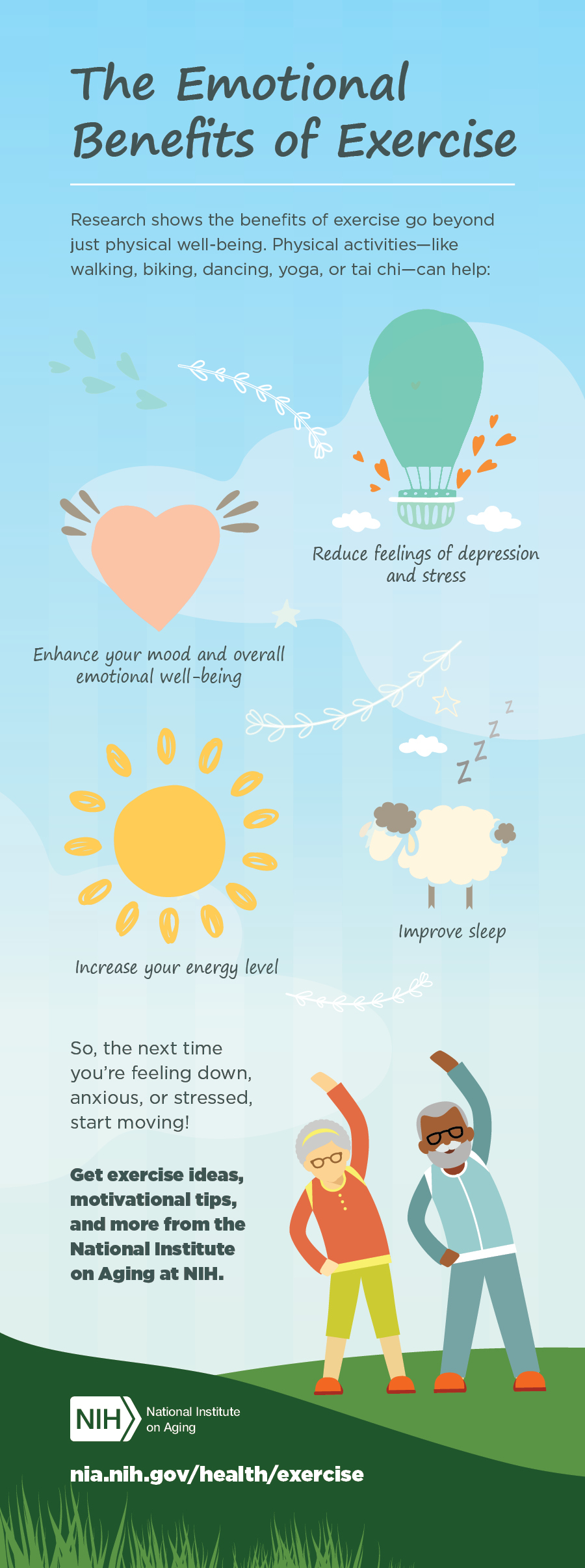
Regular exercise strengthens the heart, muscles, and bones, helps control weight, improves mood and sleep, and lowers the risk of chronic disease.
Key benefits
- Heart: lowers the risk of heart disease and stroke.
- Weight control.
- Strong muscles and bones.
- Lowers risk of type 2 diabetes and some cancers.
- Mood: reduces symptoms of depression and anxiety.
- Better sleep and brain health.
Guidelines
Adults need 150 minutes of moderate activity or 75 minutes of vigorous activity per week plus muscle-strengthening on 2 days (HHS).
Longevity
People who meet the guidelines have about 31 percent lower all-cause mortality.
Children
At least 60 minutes a day.
Start slowly
Walk 10 minutes a day and build.
Check
Talk to a doctor if you have health conditions.
Key benefits
Regular physical activity benefits nearly every system in the body.
- Heart: lowers risk of heart disease by about 30% to 35%, reduces blood pressure and improves cholesterol.
- Diabetes: improves insulin sensitivity and lowers risk of type 2 diabetes by up to 40%.
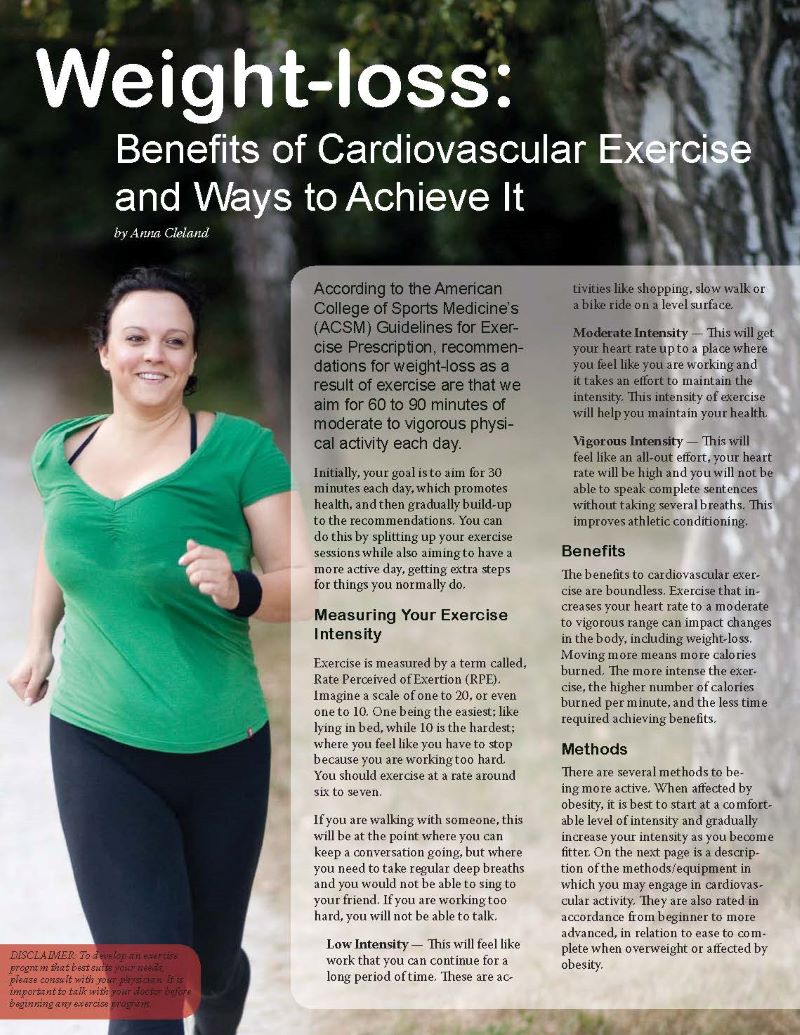
- Weight: burns calories and helps keep weight off.
- Cancer: reduces risk of at least 8 cancers, including colon, breast, endometrial, bladder, esophageal, kidney, lung and stomach.
- Bones and muscles: builds bone density and muscle strength, and lowers fracture risk.
- Brain: improves memory and thinking, lowers risk of dementia by about 20% to 30%, and reduces depression and anxiety. Exercise can be about as effective as medication for mild to moderate depression in some studies.
- Sleep: helps people fall asleep faster and sleep more deeply.
- Immune function and lower risk of infections.
- Balance and fewer falls in older adults.

Guidelines
Adults need at least 150 minutes of moderate-intensity activity (such as brisk walking) or 75 minutes of vigorous activity (such as running) each week, plus strength training for all major muscle groups on 2 or more days. More activity brings more benefit. About 1 in 4 American adults is inactive outside of work, according to the CDC, and inactivity is linked to about $117 billion in annual health care costs.
Longevity
A large study of 650,000 adults published in PLOS Medicine in 2012 found that 150 minutes of moderate activity per week added about 3.4 years to life expectancy, and more activity gave gains up to 4.5 years. The risk of early death falls by about 20% to 30% with even modest activity.
Children
Children need 60 minutes of moderate to vigorous activity daily. Active kids have better fitness, bone health, grades and mood, and a lower risk of obesity.
Start slowly
Begin with 10 minutes of walking, add 5 minutes a week, choose activities you enjoy and schedule them. Mix cardio, strength, flexibility and balance. Even short bouts count.
Check
Talk to your doctor before starting if you have chronic health conditions, symptoms such as chest pain or dizziness, or have been inactive and are over 50. Stop and get help for chest pain, severe breathlessness or fainting.
Large study findings and dose
A 2023 analysis in the British Journal of Sports Medicine of over 30 million person-years found that adults who exercised had about a 20 to 30 percent lower risk of death than the least active. Each additional 1,000 steps a day is associated with lower mortality, and risk benefits tend to level off at about 7,000 to 8,000 steps for many adults, according to a 2023 meta analysis in the Lancet Public Health. Regular exercise cuts the risk of coronary heart disease by about 30 percent, type 2 diabetes by around 27 percent and depression by 20 to 30 percent. Resistance exercise improves bone density and helps preserve muscle, which declines by about 3 to 8 percent per decade after age 30. Children aged 6 to 17 need 60 minutes of moderate to vigorous activity daily. Adults should aim for at least 150 minutes weekly, with 2 days of strengthening. If you have chronic disease or symptoms such as chest pain, see a doctor before starting.
Based on data from the WHO and the Physical Activity Guidelines for Americans