A dog that smells like fish often has full anal glands that need to be expressed by a vet or groomer.
Anal glands
Dogs have two anal glands that release a smelly, fishy fluid. If they become full or infected, they leak a strong fishy odor. A dog may scoot or lick the area.
Other causes
- Skin infections or yeast.
- Dental disease.
- Ear infections.
- Urinary infection.
What to do
Have a vet or groomer express the glands. Don’t do it yourself unless trained.
Prevention
Fiber in the diet helps firm stool, which empties glands naturally.
See a vet if

There is swelling, bleeding, pus, or the dog scoots a lot.
Breeds
Small breeds are more prone.
Anal glands
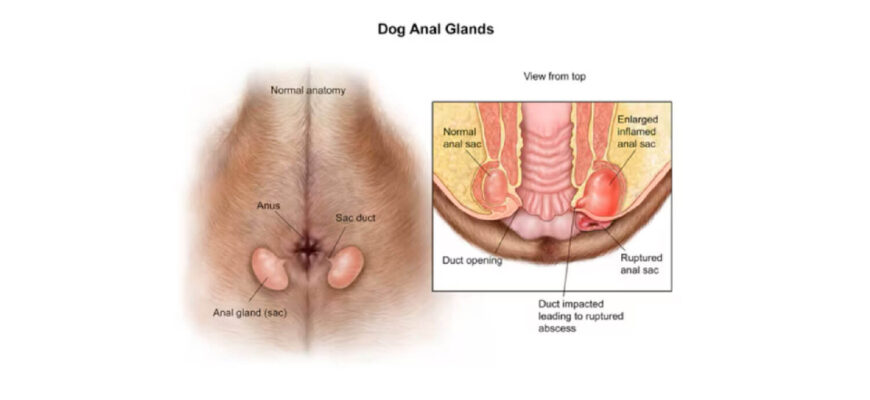
Dogs have two small scent sacs, the anal glands, on either side of the anus at about the 4 and 8 o’clock positions. They hold a strong fishy smelling liquid that is normally squeezed out in small amounts when a dog passes stool. If the glands do not empty, they become full or impacted and may leak a smell like rotten fish. Dogs may scoot on the floor, lick the area or have a swollen bottom.
Other causes of a fishy smell

- Dental disease and infected gums, which produce a bad breath odor.
- Skin infections with bacteria or yeast (Malassezia), producing a musty, cheesy or fishy odor, especially in skin folds.
- Ear infections.
- Urinary tract infection.
- Dirty bedding and wet coats, especially after swimming.
- Eating fish or fish based foods.
- Anal sac abscess or tumor in older dogs.
- Seborrhea, a skin condition.
What to do
- Check the area gently. Redness, swelling or leaking means the glands need care.
- Have a vet or groomer express the glands. Some dogs need it every 4 to 6 weeks, and many never need it.
- Wash bedding weekly and bathe the dog with a dog shampoo every 4 to 8 weeks, depending on the coat.
- Wipe around the anus with a pet wipe if needed.
- Treat any underlying skin or ear problem.
Prevention
- Feed a high fiber diet, which makes firmer stool that puts pressure on the glands. Adding canned pumpkin (1 to 4 tablespoons) can help, after asking a vet.
- Keep the dog at a healthy weight, since obesity is a risk factor.
- Treat food allergies and skin allergies, which raise the risk of gland problems.
See a vet if
The dog is scooting often, licking the area, has pain when sitting, a swollen red area near the anus, bloody or pus-like discharge, or fever. Untreated impaction can cause an abscess that may rupture. Do not squeeze the glands at home if you are unsure, because mistakes can injure the dog.
Breeds
Small breeds such as Chihuahuas, Toy Poodles, Cocker Spaniels, Lhasa Apsos and Beagles are most prone to anal gland issues, though any dog can have them.

Anal gland anatomy
Dogs have two anal sacs on either side of the anus that produce a strong-smelling, fishy fluid used for scent marking. They normally empty when the dog passes stool. Impaction, infection or abscess occurs in about 12 percent of dogs seen by vets, with small breeds more affected. Signs include scooting, licking the rear, a fishy odor and swelling. A vet or groomer can express the glands. Frequent problems may need diet changes with more fiber or surgery to remove the sacs. Rule out skin infections, dental disease and urinary infections as other sources of fishy smell. Never squeeze glands without training.
Based on data from the American Kennel Club and the Merck Veterinary Manual