Dogs throw up from eating too fast, eating garbage, or illness. See a vet if it happens repeatedly.
Common causes
- Eating too fast or too much.
- Dietary indiscretion: garbage, grass or table scraps.
- Sudden diet change.
- Infections, parasites, pancreatitis or kidney disease.
- Toxins and foreign objects.
Vomiting vs regurgitation
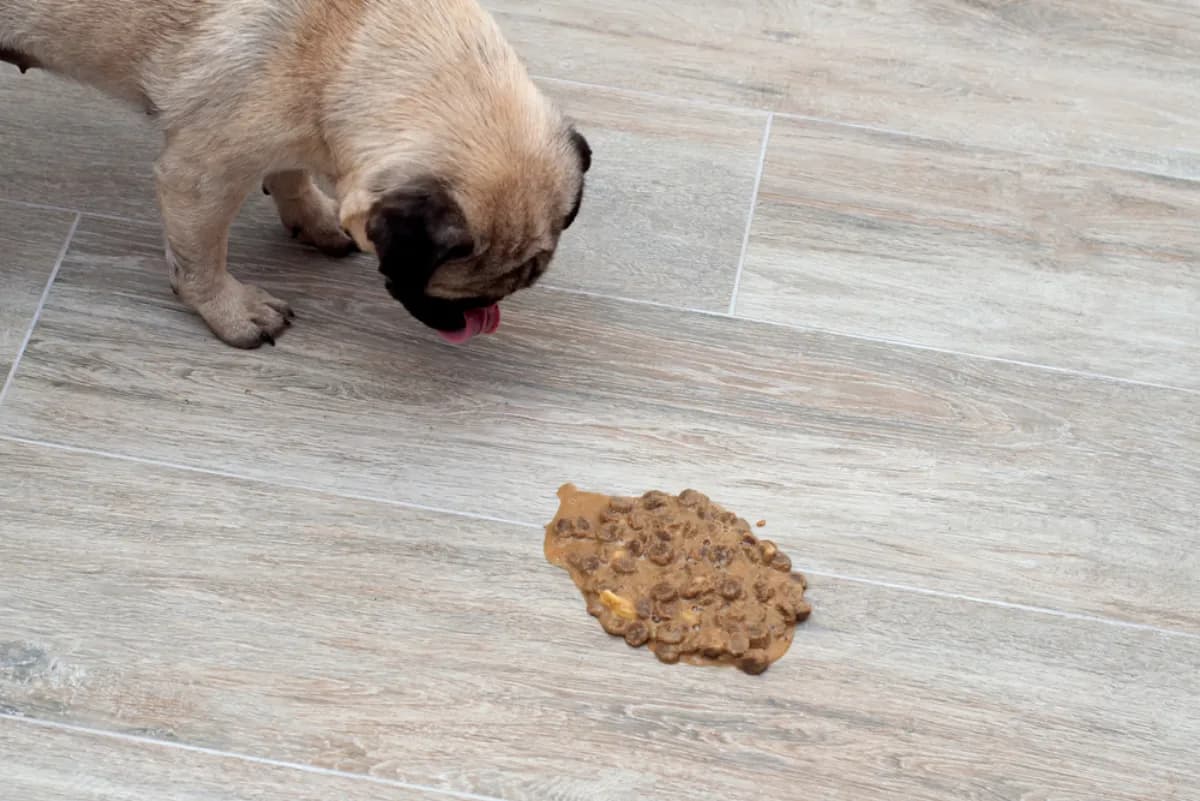
Vomiting involves retching. Regurgitation is passive and happens soon after eating.
What to do
Withhold food for 12 hours if the dog is an adult, then offer small bland meals.
See a vet now if
Vomiting is repeated, contains blood, or comes with lethargy, bloating, diarrhea, or if the dog may have swallowed something toxic or a toy.
Vomiting versus regurgitation

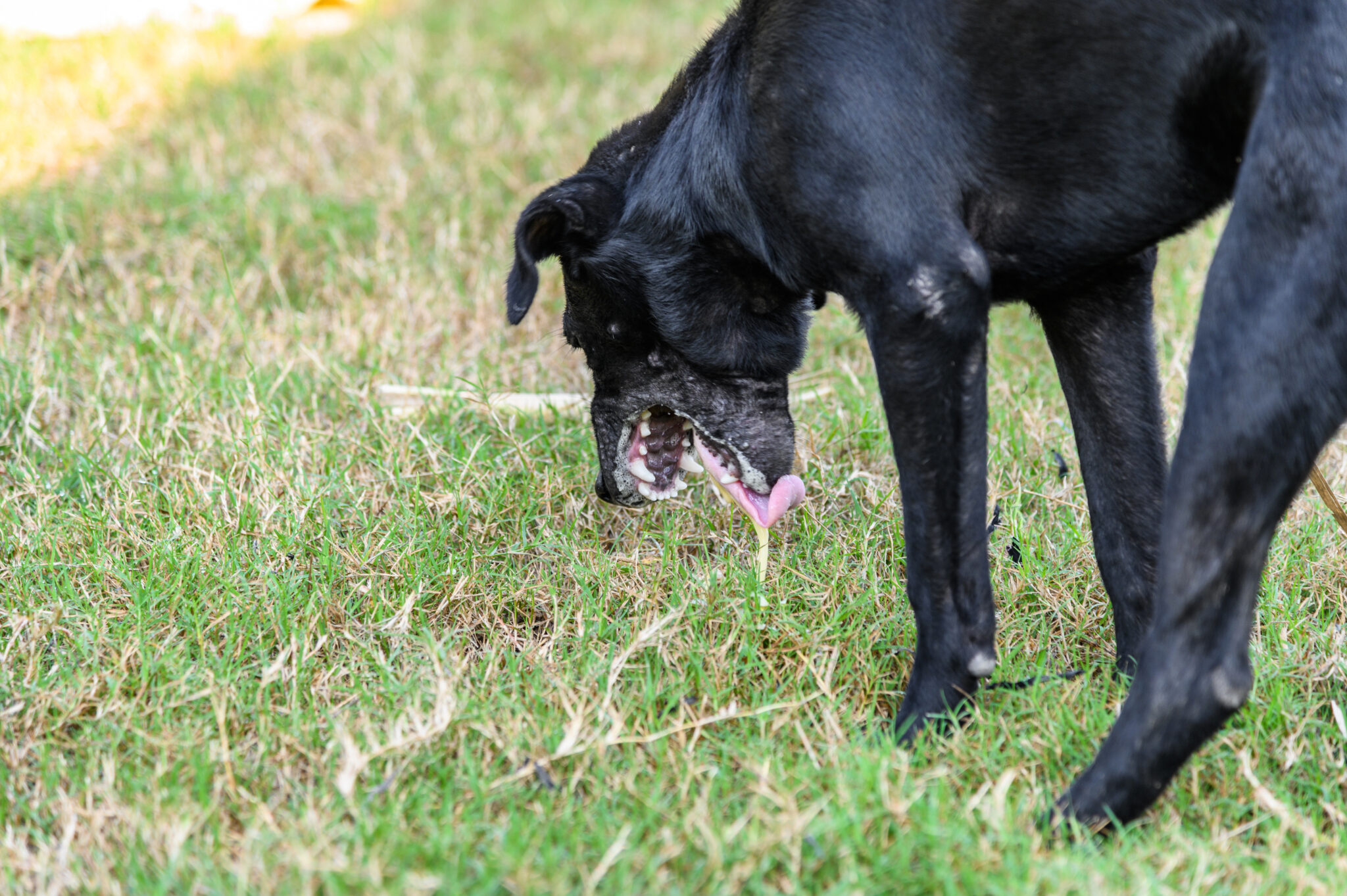
Vomiting involves abdominal heaving, nausea and drooling, and brings up partly digested food or yellow bile. Regurgitation is passive, comes without effort and often brings up undigested food from the esophagus.
Dietary causes
- Eating too quickly or too much.
- Sudden food change.
- Eating garbage, spoiled food, grass or fatty table scraps.
- Food allergy or intolerance.
Health causes
- Gastroenteritis from viruses or bacteria.
- Parasites such as roundworms.
- Parvovirus, especially in unvaccinated puppies.
- Pancreatitis.
- Kidney or liver disease.
- Intestinal blockage from a swallowed object.
- Poisoning, such as chocolate, xylitol, grapes, raisins, antifreeze or some plants.
- Heat stroke.
Home steps for a single episode
- Withhold food for about 6 to 12 hours in an adult dog, but allow small amounts of water.
- Then offer small portions of a bland diet, such as boiled chicken and rice.
- Watch for repeated vomiting, lethargy or other symptoms.
Call a vet now if
- Vomiting repeats more than 2 or 3 times in 24 hours.
- Blood, coffee ground material or green bile appears.
- The dog is a puppy, a senior or has other illnesses.
- The belly is swollen or painful.
- The dog cannot keep water down.
- It may have eaten a toxin or a foreign object.
Poison hotline
The ASPCA Animal Poison Control Center can be reached at 888-426-4435 (a fee may apply).
Bloat emergency
Unproductive retching with a swollen belly, especially in deep chested breeds, can signal gastric dilatation volvulus, which is life threatening. Go to an emergency vet immediately.
Vomiting versus regurgitation
Vomiting is an active process with abdominal heaving and nausea signs such as drooling and lip licking, while regurgitation is passive and brings up undigested food from the esophagus without effort. Causes of dog vomiting include eating too fast, dietary indiscretion, garbage, motion sickness, infections like parvovirus, pancreatitis, kidney disease, foreign objects and toxins. Common toxins include chocolate, grapes and raisins, xylitol (sugar substitute), onions, some plants and human medicines. For a single episode in an otherwise bright dog, withhold food for 6 to 12 hours, offer small amounts of water, then a bland diet such as boiled chicken and rice.
Emergencies
Call a veterinarian right away for repeated vomiting, blood in vomit, lethargy, a swollen hard belly, unproductive retching, signs of pain or any suspected toxin. Bloat, or gastric dilatation volvulus, is life threatening and most common in large, deep chested breeds. Puppies and small dogs can dehydrate quickly. The ASPCA Animal Poison Control Center at 888-426-4435 and Pet Poison Helpline at 855-764-7661 are available around the clock for a fee. Bring the packaging of the substance eaten to the clinic.
Based on data from the ASPCA and the American Veterinary Medical Association