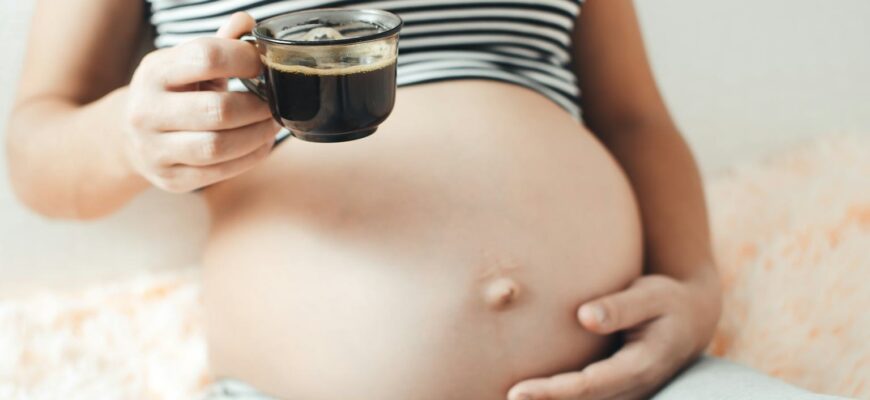
Yes, in moderation. Experts such as ACOG say up to 200 mg of caffeine a day, about one 12-ounce cup of coffee, is considered safe in pregnancy.
Guidance
ACOG says moderate caffeine intake of under 200 mg a day does not appear to cause miscarriage or preterm birth.
How much is that
- One 8 ounce cup of brewed coffee has roughly 95 mg.
- A 12 ounce cup has about 140 to 200 mg.
- Espresso shot: about 63 mg.
Other caffeine sources
Tea, soda, chocolate and energy drinks add up.
Tips
Check your total, and ask your doctor if you have high blood pressure or a high risk pregnancy. The WHO and some studies recommend less.
Official guidance
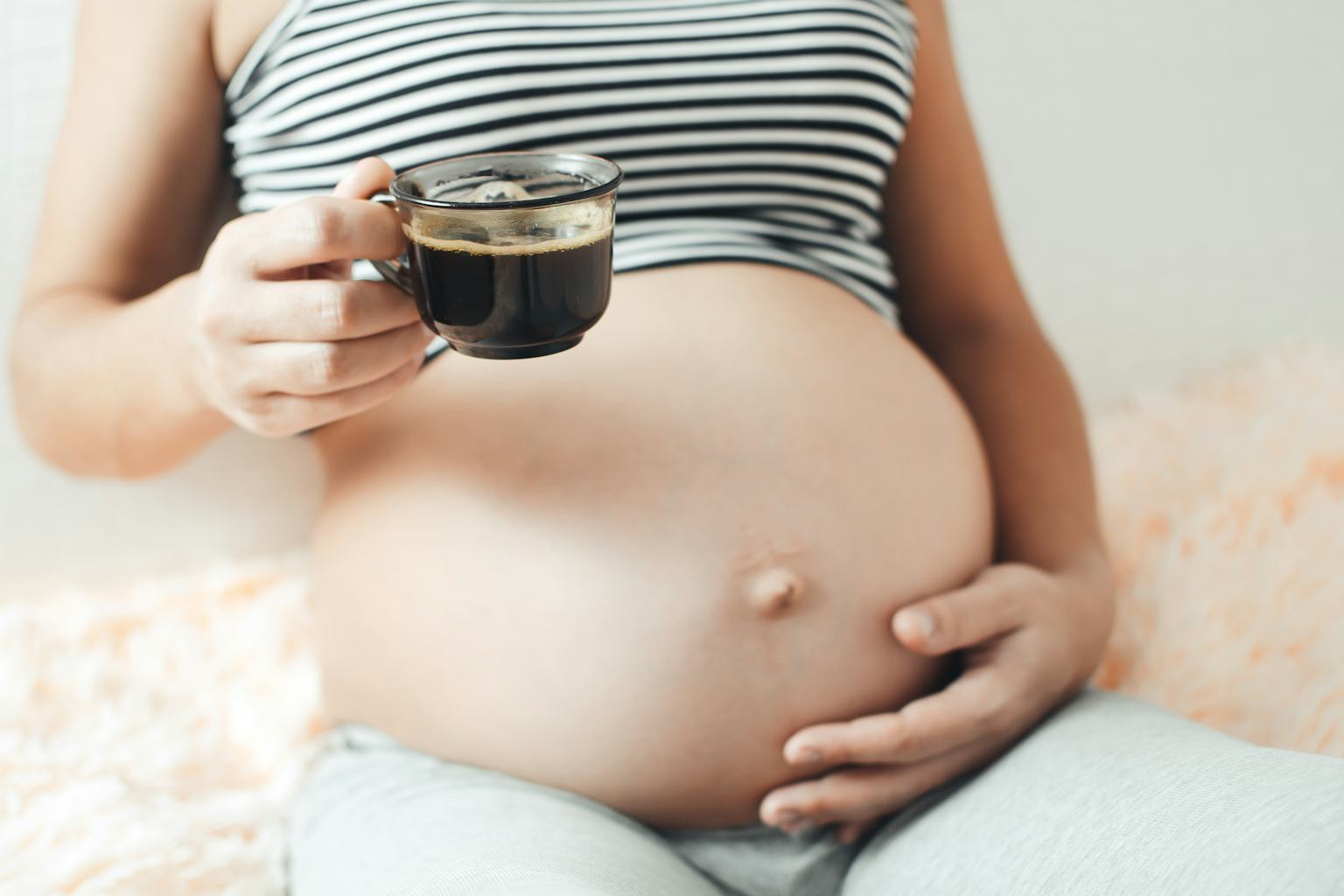
The American College of Obstetricians and Gynecologists says that moderate caffeine intake, under 200 milligrams a day, does not appear to be a major contributing factor in miscarriage or preterm birth. The World Health Organization suggests staying under 300 milligrams a day.
Caffeine in common items
- 8 oz brewed coffee: about 95 milligrams.
- Espresso shot (1 oz): about 63 milligrams.
- 12 oz can of cola: about 34 milligrams.
- 8 oz black tea: about 47 milligrams.
- 1 oz dark chocolate: about 12 milligrams.
- Energy drinks: 80 to over 200 milligrams.
Large coffee cups from coffee shops can hold 300 milligrams or more.
Why limits exist
Caffeine crosses the placenta. The fetus cannot break it down easily, and pregnancy slows how fast the mother clears caffeine, with half life increasing up to 15 hours in late pregnancy compared with about 5 hours otherwise.
Research
Some studies link high caffeine intake to lower birth weight or higher risk of miscarriage, but results vary and are difficult to separate from other factors. Many experts advise caution and moderation.
Practical tips
- Track all sources of caffeine, including tea, soda, chocolate and some medicines.
- Switch to half caffeinated coffee or decaf.
- Drink water between cups.
- Avoid energy drinks and herbal teas that are not considered safe in pregnancy.
Symptoms of too much
Jitteriness, heart palpitations, headaches, trouble sleeping and heartburn.
Ask your clinician
If you have high blood pressure, anxiety, heartburn or a history of pregnancy complications, ask your obstetric provider for individual advice.
Caffeine amounts and guidance
The American College of Obstetricians and Gynecologists says that moderate caffeine intake of less than 200 mg per day does not appear to be a major contributor to miscarriage or preterm birth. A typical 8 ounce cup of brewed coffee has about 95 mg of caffeine, so one 12 ounce mug can be near the limit. Espresso has about 63 mg per shot, black tea about 47 mg per cup, cola about 34 mg per 12 ounces, energy drinks 70 to 200 mg or more, and dark chocolate about 12 mg per ounce. Decaf coffee still contains about 2 to 5 mg per cup.
Why limits exist and what research shows
Caffeine crosses the placenta, and the fetus cannot break it down well because the enzymes are immature. Its half life in the mother grows from about 5 hours to about 15 hours in late pregnancy. Some large observational studies, including a 2020 review in BMJ Evidence Based Medicine, suggested avoiding caffeine altogether, but others show that low intake is not clearly harmful, so guidance varies. Track all sources, including tea, soda, chocolate and some medicines. Talk to your doctor or midwife about your own limit, especially if you have a high risk pregnancy.
Based on data from ACOG and the FDA