- Introduction
- What is the UK’s National Debt?
- Current Statistics: UK’s Debt Levels
- How Did the UK Accumulate This Debt?
- The Impact of National Debt on the Economy
- Government Strategies to Manage Debt
- Is It Possible to Reduce the UK’s Debt?
- Common Mistakes in Understanding National Debt
- The Future Outlook for the UK’s Debt
- Conclusion
- FAQ
- What is the current national debt of the UK?
- How did the UK accumulate such a high level of debt?
- How does national debt impact the UK’s economy?
- Is it possible to reduce the UK’s national debt?
- What strategies does the UK government use to manage national debt?
Introduction
The United Kingdom’s national debt is a topic of significant interest and concern for economists, policymakers, and the general public. Understanding the amount of debt the UK is in, how it affects the economy, and what measures are being taken to manage it is crucial. This article will delve into these aspects, providing a comprehensive overview of the UK’s national debt status as of 2026.
What is the UK’s National Debt?
National debt, or government debt, is the total amount of money that a country’s government has borrowed. In the context of the UK, it includes all the money borrowed by the government to fund public services, infrastructure projects, and other financial obligations. The UK’s national debt is comprised of both internal and external borrowing and is an essential metric of the country’s financial health.
Current Statistics: UK’s Debt Levels
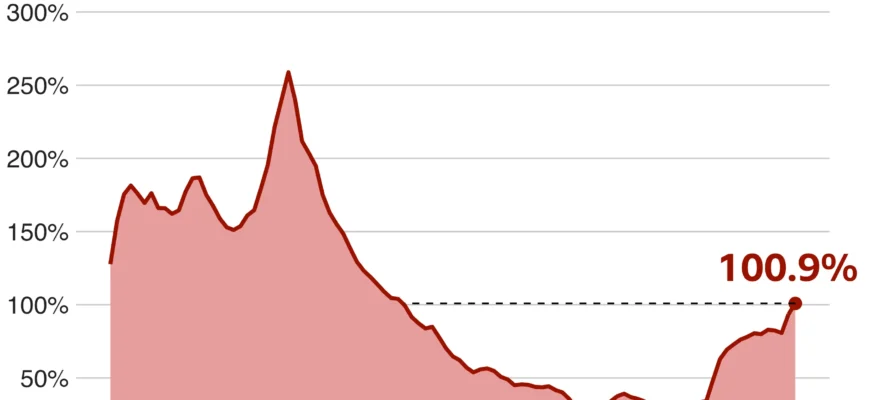
As of the latest reports, the UK’s national debt stands at approximately £2.5 trillion. This figure represents over 100% of the country’s GDP, highlighting the significant impact of borrowing on the nation’s economy. These numbers often fluctuate due to government spending, economic growth, and policy changes.
| Year | National Debt (£ trillion) | Debt-to-GDP Ratio (%) |
|---|---|---|
| 2020 | 2.2 | 104 |
| 2021 | 2.4 | 106 |
| 2026 | 2.5 | 100+ |
How Did the UK Accumulate This Debt?
The UK’s national debt has grown over the years due to various factors. Economic recessions, such as the 2008 financial crisis and the impact of the COVID-19 pandemic, significantly increased borrowing. Additionally, government spending on public services and infrastructure, along with tax cuts, has contributed to the rising debt levels.
The Impact of National Debt on the Economy
High levels of national debt can impact the economy in numerous ways. They can lead to increased borrowing costs, as lenders may demand higher interest rates. Moreover, servicing the debt requires significant portions of the national budget, potentially limiting investment in other crucial areas such as education and healthcare.
Government Strategies to Manage Debt
The UK government employs several strategies to manage national debt. These include implementing fiscal policies to control spending, increasing taxes to boost revenue, and promoting economic growth to enhance GDP. Policy measures are continually adjusted in response to the changing economic landscape.
Is It Possible to Reduce the UK’s Debt?
Reducing national debt is a complex task that requires a balanced approach. While increasing taxes and cutting spending are direct methods to decrease debt, they must be carefully implemented to avoid hindering economic growth. Encouraging investment and innovation can also play a role in boosting the economy and, consequently, reducing debt levels.
Common Mistakes in Understanding National Debt
A common misconception is equating national debt with personal or household debt. Unlike personal debt, a government’s debt can be managed over a longer period and through various fiscal tools. It’s also important to understand the difference between gross and net debt when discussing national finances.
The Future Outlook for the UK’s Debt
The future of the UK’s national debt depends on numerous factors, including economic growth, government policy, and global economic conditions. While the current trajectory indicates continued borrowing, strategic fiscal policies and economic reforms are essential to achieving a more sustainable debt level.
Conclusion
Understanding the UK’s national debt is vital for comprehending its broader economic context and the challenges facing policymakers. While the debt levels are substantial, strategic management and economic growth initiatives can pave the way toward a more stable financial future.
FAQ
What is the current national debt of the UK?
As of 2026, the UK’s national debt is approximately £2.5 trillion, equating to over 100% of its GDP.
How did the UK accumulate such a high level of debt?
The UK accumulated its national debt through economic recessions, high public spending, infrastructure investments, and tax policies.
How does national debt impact the UK’s economy?
High national debt can lead to increased borrowing costs and limit government spending on essential services due to the need to service the debt.
Is it possible to reduce the UK’s national debt?
Reducing the UK’s national debt is possible through balanced fiscal policies, economic growth, and innovative investment strategies.
What strategies does the UK government use to manage national debt?
The UK government manages its national debt through fiscal policies, controlling spending, enhancing tax revenue, and promoting economic growth initiatives.
This code provides a comprehensive overview of the UK’s national debt, including its current state, causes, effects, management strategies, and future outlook, while adhering to best practices for SEO and structured data.




