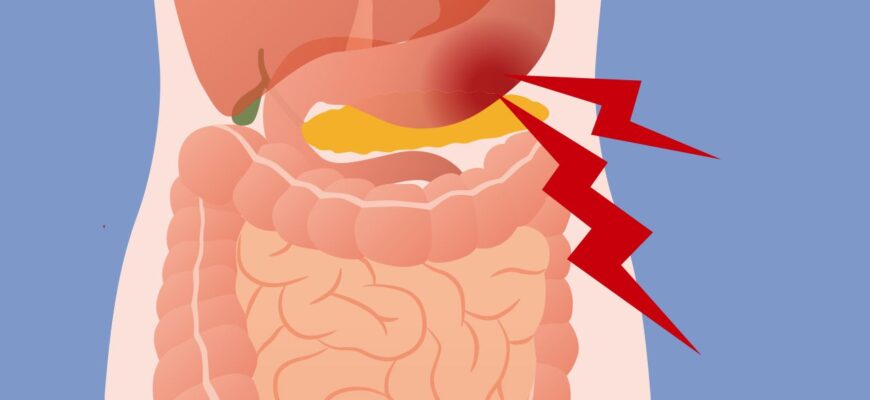
Sharp stomach pain can come from gas, an ulcer, gallstones, or appendicitis. Get urgent care if it is severe or comes with fever.
Common causes
- Gas and indigestion.
- Stomach ulcer.
- Gallstones (pain upper right, after fatty meals).
- Pancreatitis.
- Appendicitis.
- Kidney stones.
- Gastroenteritis.
- Menstrual or ovarian problems.
Get urgent care for
Severe or sudden pain, fever, repeated vomiting, blood, a rigid abdomen, fainting or pain with chest pressure.
Appendicitis
Pain begins near the navel and moves to the lower right.
Home care for mild pain
Rest, small bland meals and a heating pad.
See a doctor
If pain lasts more than a few days or recurs.
Avoid
NSAIDs if you suspect an ulcer.
Why sharp stomach pain happens
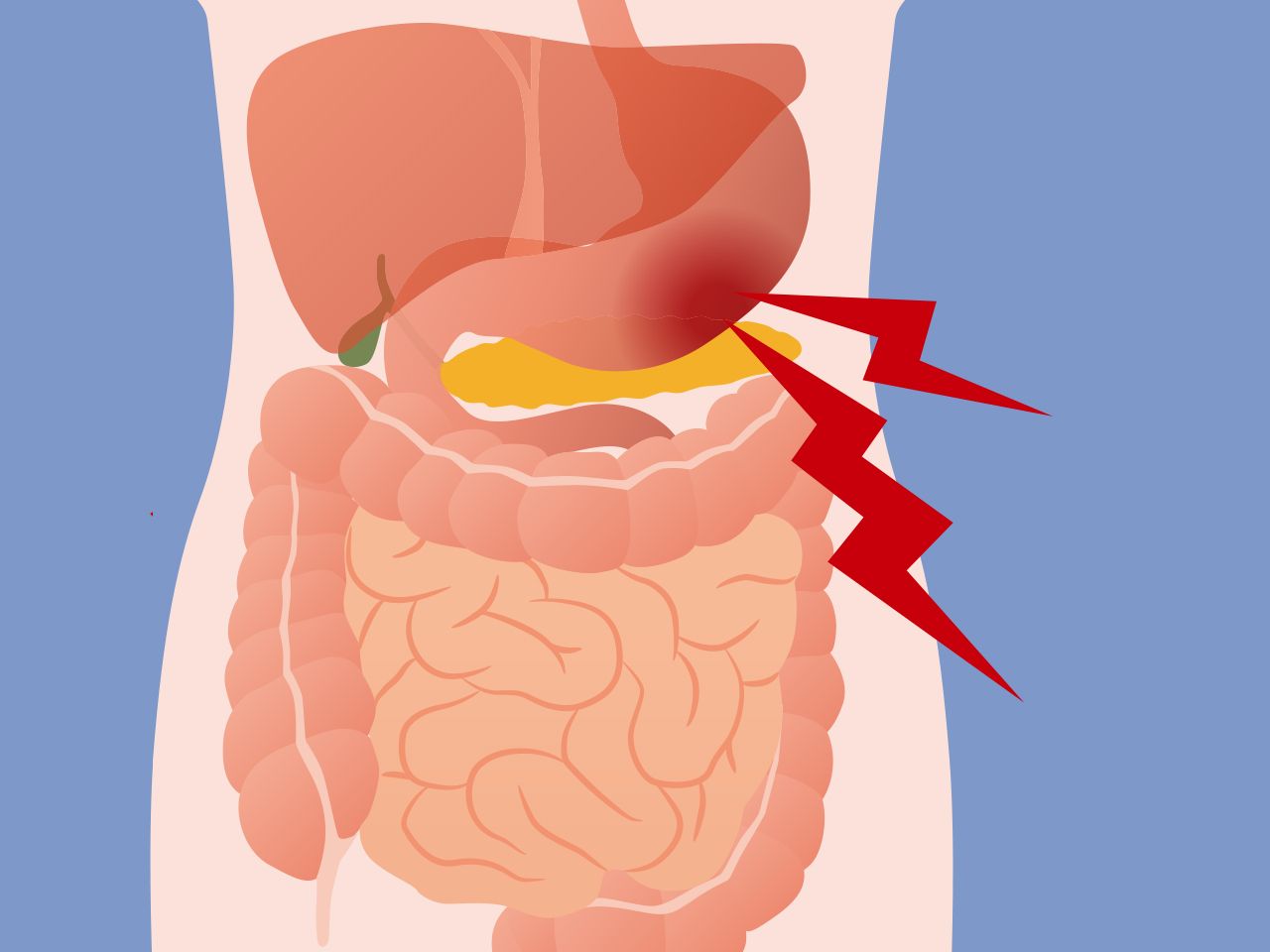
Sharp stomach pain can come from the stomach itself, the intestines, gallbladder, pancreas, appendix, kidneys, or reproductive organs. Location, timing and other symptoms help point to the cause. Most episodes pass within a day or two and are not serious.
Common causes
- Gas and indigestion: sharp cramps that move and ease with passing gas.
- Gastritis and peptic ulcers, with burning pain between meals. H. pylori infection causes most ulcers.
- Gastroenteritis, with cramps, diarrhea and vomiting.
- Constipation.
- Gallstones: pain in the upper right abdomen after fatty meals, lasting 30 minutes to hours. About 10% to 15% of adults have gallstones.
- Kidney stones: severe pain in the side and back radiating to the groin.
- Urinary tract infection.
- Pancreatitis: severe upper abdominal pain spreading to the back.
- Menstrual cramps, ovarian cysts and ectopic pregnancy in women.
- Irritable bowel syndrome and inflammatory bowel disease.
- Food intolerance, like lactose intolerance.
- Muscle strain.

Appendicitis
Appendicitis often begins as pain around the navel that moves to the lower right abdomen within 12 to 24 hours, with loss of appetite, nausea, low fever and pain with movement or coughing. About 1 in 15 people develop appendicitis in their lifetime. It needs prompt surgery, because a ruptured appendix is dangerous.
Get urgent care for
Sudden severe pain, a hard and rigid belly, pain with fever, repeated vomiting, blood in vomit or stool, black stools, chest pain, pregnancy with pain or bleeding, pain with fainting or trouble breathing, or pain after injury.
Home care for mild pain
- Rest and sip clear fluids.
- Apply a warm heating pad.
- Eat bland foods like toast, rice, bananas and applesauce.
- Take acetaminophen if needed.
- Peppermint tea may ease cramps.
See a doctor
See a doctor if pain lasts more than a few days, recurs, or comes with weight loss, changes in bowel habits or fever.
Avoid
Avoid ibuprofen, aspirin, alcohol, fatty or spicy foods, and laxatives until the cause is clear, since they may worsen some conditions.

Pain patterns and warning signs
Sharp stomach pain can be caused by gas, indigestion, gastritis, peptic ulcers, gallstones, pancreatitis, kidney stones, urinary infections and food poisoning. Pain in the upper right abdomen after fatty meals suggests gallbladder disease, which affects around 10 to 15 percent of adults with gallstones. Pain starting around the navel and moving to the lower right side with fever and loss of appetite is a classic sign of appendicitis, which affects about 5 percent of people in their lifetime. Sudden severe pain with a rigid belly can indicate a perforated ulcer or organ rupture. In women, ovarian torsion, ectopic pregnancy and cysts can produce sharp pain. Go to emergency care for severe pain lasting more than a few hours, pain with fainting, bloody or black stools, vomiting blood, chest pain, or pregnancy.
Based on data from the Mayo Clinic and the NIDDK