A check engine light comes on when the car’s computer detects a problem, such as a loose gas cap, faulty sensor, or catalytic converter issue. Have the code read.
Why it comes on
The check engine light (malfunction indicator lamp) comes on when the car’s computer (ECU) detects a problem in the engine, emissions or transmission systems through OBD-II.
Common causes
- Loose or faulty gas cap.
- Oxygen sensor failure.
- Catalytic converter issues.
- Mass airflow sensor.
- Spark plugs or ignition coils.
- EVAP leaks.
Steady vs flashing
Steady: get it checked soon. Flashing: severe misfire, which can damage the catalytic converter, so stop driving.
What to do
Tighten the gas cap. Read the code with an OBD-II scanner (many auto parts stores do it free).
Emissions
You can’t pass emissions testing in many states with the light on.
Cost
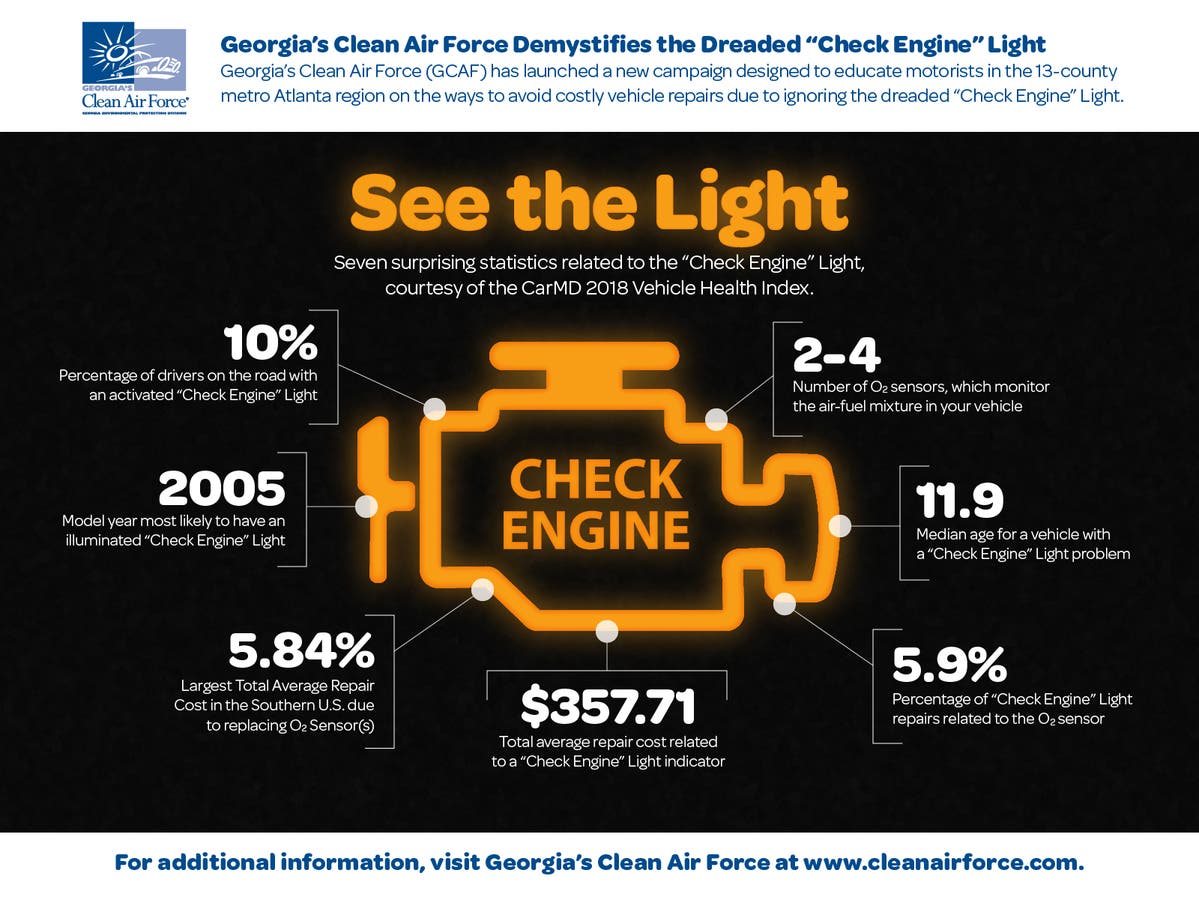
Diagnostic $100 to $150.
How the system works
Modern cars (made in 1996 or later in the US) have On-Board Diagnostics II. Sensors monitor engine, transmission and emissions. When a reading falls outside limits, the computer saves a diagnostic trouble code (such as P0420) and turns on the light.
Most frequent causes
- A loose or faulty gas cap, which causes evaporative emissions code.
- Failing oxygen sensors.
- A bad catalytic converter.
- Faulty mass airflow sensor.
- Worn spark plugs or ignition coils.
- Vacuum leaks.
- Failing EGR valve.
Steady versus flashing
A steady light means a problem needs checking soon. A flashing light means active engine misfire that can damage the catalytic converter, so reduce speed and have the car checked at once.
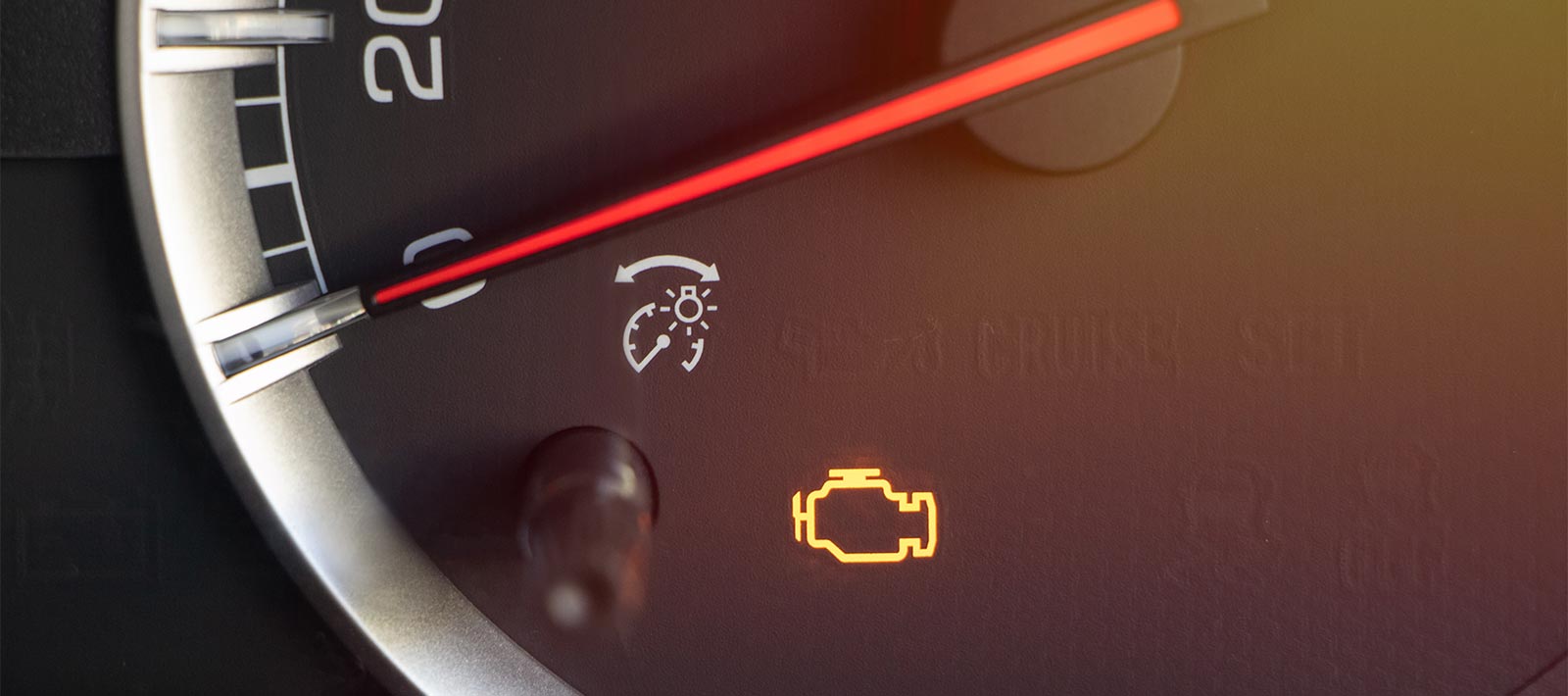
Reading the code
An OBD-II scanner, available for 20 to 50 dollars, plugs under the dashboard and shows the code. Many auto parts stores read codes for free. A code points to a system, not always to the exact part.
First checks
- Tighten the gas cap and drive for a few days. The light can turn off by itself after a few drive cycles.
- Check oil and coolant levels.
- Watch for performance changes, noise or smells.
Emissions test
Most states with emissions inspections will fail a car with the light on.
Typical costs
Gas cap: 15 to 30 dollars. Oxygen sensor: 150 to 400. Spark plugs: 100 to 300. Catalytic converter: 1,000 to 3,000 or more.
Do not ignore
Driving for a long time with an unresolved problem can reduce fuel economy and cause expensive damage.
What the light means and costs
The check engine light, or malfunction indicator lamp, is part of the on board diagnostics system (OBD-II) required on all US cars since 1996. It lights when the computer detects an emissions or engine control fault and stores a code, such as P0420 for catalyst efficiency or P0300 for random misfire. The most common causes are a loose or faulty gas cap, a failing oxygen sensor, a worn catalytic converter, bad spark plugs or coils and a dirty mass airflow sensor. A gas cap costs about 15 to 25 USD, an oxygen sensor 150 to 400 USD, and a catalytic converter 1,000 to 2,500 USD or more installed.

What to do
A steady light means have it checked soon, while a flashing light signals a serious misfire that can damage the catalytic converter, so reduce speed and stop driving if possible. Tighten the gas cap first, and the light may turn off after several drives. Many auto parts stores read codes for free, and an OBD-II scanner costs about 20 to 50 USD. A car with the light on usually fails an emissions inspection. Ignoring it can lead to lower fuel economy and bigger repair bills. Reset the light only after fixing the cause.
Based on data from the EPA and AAA