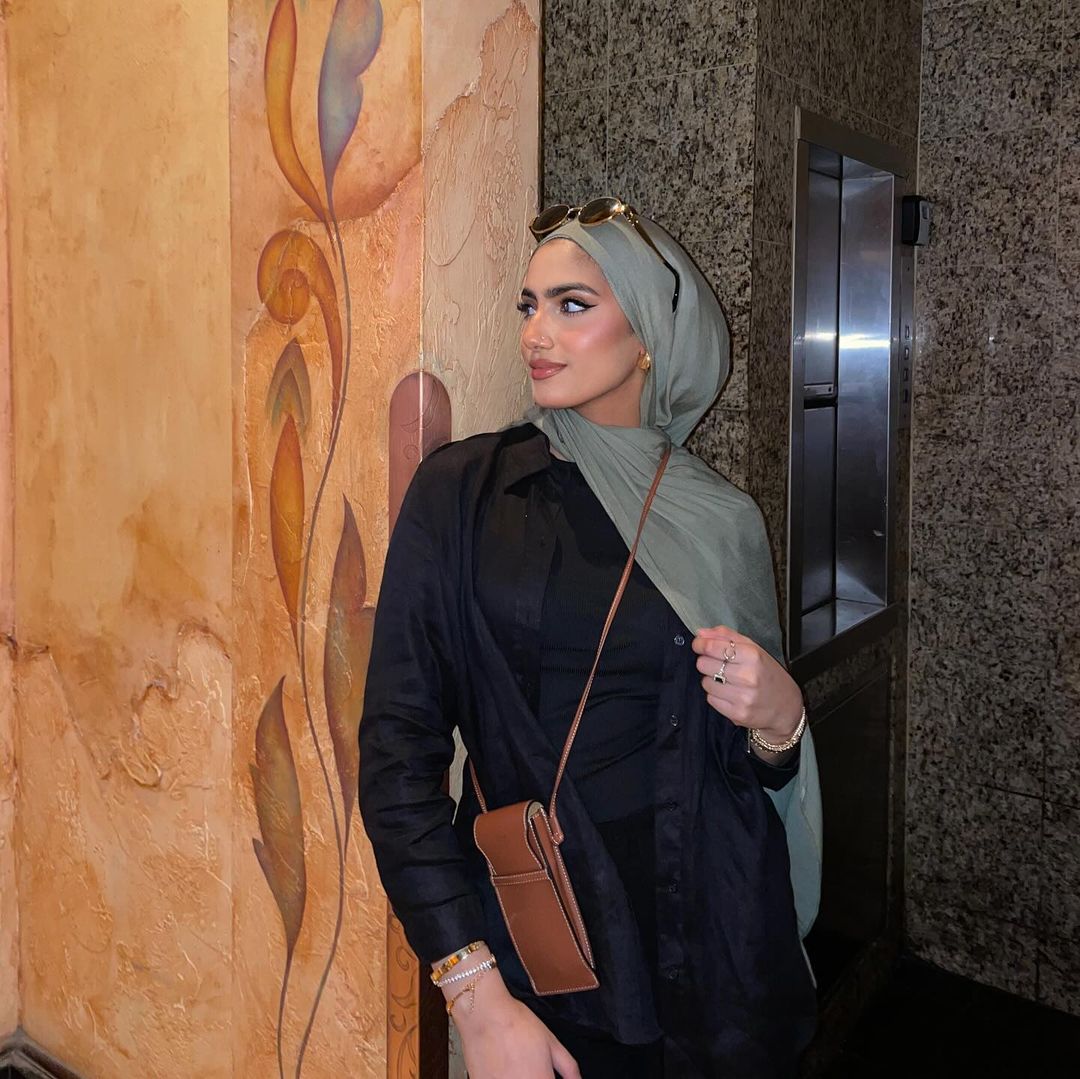
Many Muslim women wear the hijab as an expression of faith, modesty, and identity, based on interpretations of the Quran. Practice and choice vary widely.
Meaning
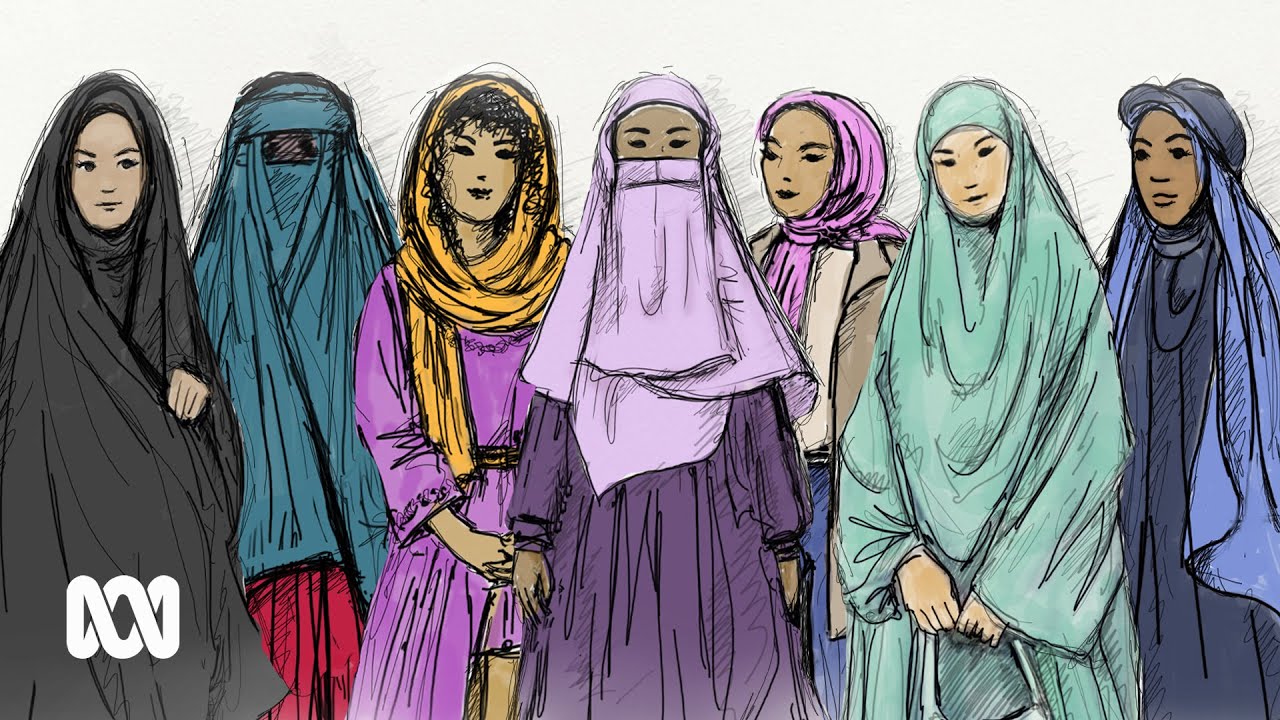
The hijab is a headscarf worn by many Muslim women. It expresses faith, modesty and identity.
Basis
Scholars point to Quran verses 24:31 and 33:59. Interpretations differ.
Reasons given
- Religious duty.
- Cultural tradition.
- Personal identity.
- Modesty.
Variation
Some women choose it. In Iran and Afghanistan it is required by law. Some European countries restrict it in certain settings.
Origin of the word
“Hijab” comes from the Arabic root h-j-b, meaning to cover, screen or separate. In the Quran it appears in the sense of a partition or curtain. In modern use, it refers to the headscarf and to modest dress more broadly.

Textual references
Quran 24:31 tells believing women to draw their head coverings over their chests, and 33:59 mentions drawing cloaks around themselves. Hadith literature also discusses modest dress. Scholars interpret these texts differently.
Views among scholars
The four main Sunni schools of law and Shia scholars traditionally hold that adult women should cover their hair in public in front of unrelated men. Some modern scholars argue the verses call for modesty without specifying a hair covering.
Personal motivations
Women who wear the hijab often cite devotion to God, identity, modesty, community ties, family tradition or a feeling of empowerment. In studies, many women describe it as a personal choice.
Pressure and law
Some women are required to wear it by law or family pressure, as in Iran or Afghanistan. Protests in Iran after the death of Mahsa Amini in 2022 drew global attention. In other places, women face restrictions on wearing it in schools, public jobs or sports.
Share of Muslim women
A Pew Research Center survey of Muslim majority countries found wide variation in how often women cover their heads, from nearly all in Afghanistan and Saudi Arabia to few in Lebanon and Turkey, depending on the area.
Muslim minority communities
In the US, about half of Muslim women say they wear the headscarf all the time or some of the time, according to Pew data.
Fashion
A modest fashion industry has grown, with global market estimates in the hundreds of billions of dollars.
Textual sources and scholarly views
Muslim scholars cite Quran verses 24:31 and 33:59 and hadith to discuss modest dress and covering. The word “hijab” in the Quran generally means a barrier or curtain, and the modern meaning of head covering developed later. The four main Sunni schools of law and Shia scholars generally view covering the hair as obligatory, while some modern scholars interpret modesty more broadly. Practices vary, and many Muslim women do not cover their hair. Pew surveys show that in some countries such as Egypt and Pakistan, large majorities of Muslims think women should cover their heads.
Law, pressure and personal choice
Women’s experiences vary. In Iran, mandatory hijab laws led to nationwide protests in 2022 after the death of Mahsa Amini in custody. In France, religious symbols were banned in public schools in 2004, and in Quebec, Bill 21 of 2019 bars some public employees from wearing religious symbols. Many women say they wear it by choice for faith, identity or modesty. Muslims make up about a quarter of the world’s population, with about 1.9 billion people, and they live in many countries with different customs. Respecting individual choice is a principle supported by many human rights organizations.
Based on data from Pew Research Center and Human Rights Watch