
Sleepwalking happens during deep sleep and is linked to sleep loss, stress, and genetics.
What it is
Sleepwalking (somnambulism) is walking or doing activities while asleep. It happens during deep non-REM sleep, usually in the first third of the night.
Who
About 4 percent of adults and 15 percent of children sleepwalk (Stanford studies and NIH figures). It runs in families.
Triggers
- Sleep deprivation.
- Stress.
- Fever and illness.
- Alcohol and certain drugs (zolpidem).
- Sleep apnea.
- Irregular schedule.
Safety
Lock doors and windows, remove obstacles and put gates at stairs. Gently guide the person back to bed. It’s not dangerous to wake them, but they may be confused.
See a doctor if
It happens often or causes injuries.

Tip
Keep a regular sleep routine.
What sleepwalking is
Sleepwalking (somnambulism) is a sleep disorder in which a person gets up and walks or does other activities while still asleep. It is a parasomnia and happens during deep non-REM sleep, mostly in the first third of the night. Episodes last from a few seconds to 30 minutes. The person usually has open, glassy eyes, does not respond properly and does not remember the event.
Who sleepwalks
About 4% to 10% of children sleepwalk, with the peak between ages 8 and 12, and most outgrow it by the teen years. About 1% to 4% of adults sleepwalk. A Stanford study of over 19,000 Americans found that 3.6% had sleepwalked in the past year. It runs in families: if both parents did, the child has about a 60% chance.

Triggers
- Sleep deprivation and irregular sleep schedules.
- Stress and anxiety.
- Fever or illness in children.
- Alcohol, and some medications such as zolpidem and other sedatives, antipsychotics and antihistamines.
- Sleep apnea, restless legs syndrome and other sleep disorders that disrupt sleep.
- Full bladder, noise, and unfamiliar sleep settings.
- Pregnancy and menstruation.
What happens
Sleepwalkers may sit up, walk, open doors, rearrange objects, eat, talk or drive. They can be injured by falling down stairs or leaving the home. Some people have been reported to commit crimes while sleepwalking, and sleepwalking has been used as a legal defense, although it is rare.
Safety
- Do not wake the person abruptly. It is safe, but it can confuse or startle them. Gently guide them back to bed.
- Lock doors and windows, and consider alarms or door chimes.
- Remove sharp objects, trip hazards and weapons from the area.
- Sleep on the ground floor or use gates on stairs.
- Keep regular sleep hours of 7 to 9 hours for adults.
- Avoid alcohol and caffeine late in the day.
See a doctor if
Episodes happen often, lead to injury, begin in adulthood, or come with other symptoms such as snoring, daytime sleepiness or violent behavior. A sleep study may be advised. Treatment can include treating sleep apnea, changing medications, scheduled awakenings for children or, in some cases, clonazepam or antidepressants.
Tip
Keep a sleep diary and note triggers. Learn relaxation exercises before bed.
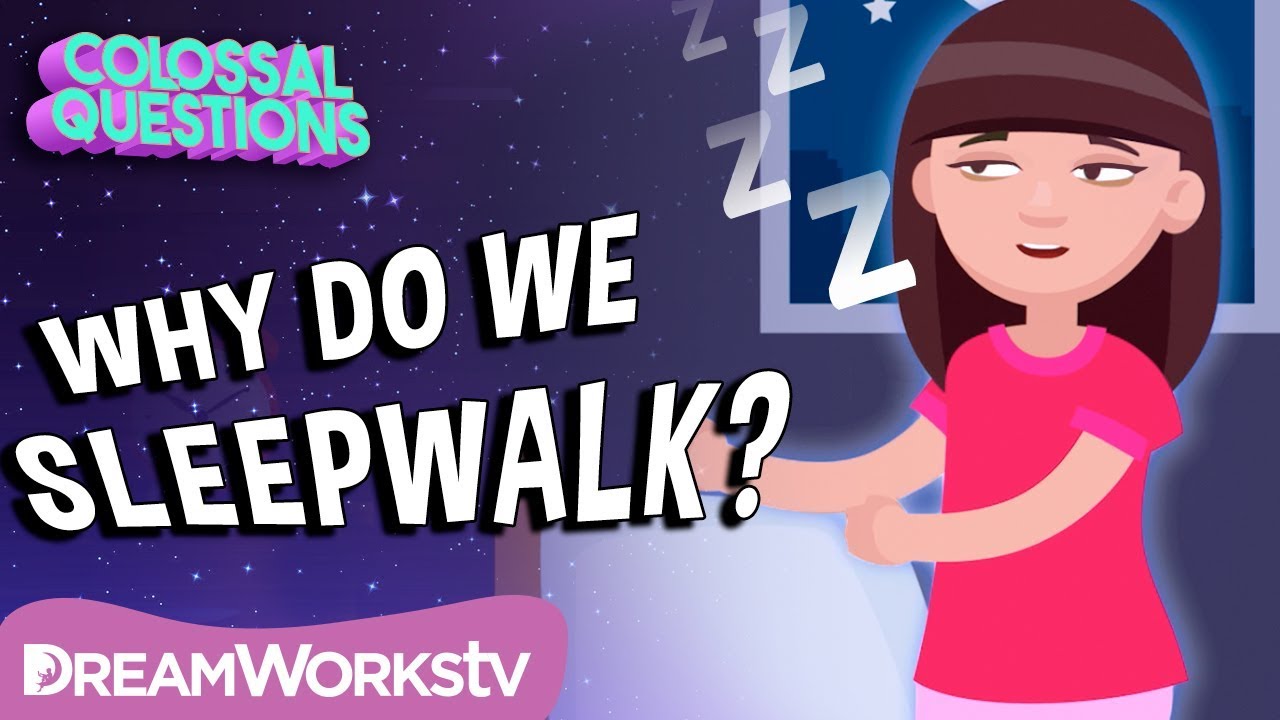
Prevalence and treatment
Sleepwalking (somnambulism) is a non-REM parasomnia that usually occurs in the first third of the night during deep sleep. About 17 percent of children sleepwalk, with the peak at 8 to 12 years, and roughly 4 percent of adults do, according to sleep medicine research. Genetics play a role, as the risk is about 10 times higher if a parent sleepwalks. Triggers include sleep deprivation, fever, alcohol, stress and some medicines such as zolpidem. Episodes last from seconds to 30 minutes, and the person’s eyes are open but they are hard to wake and usually do not remember it. Safety steps include locking doors and windows, removing tripping hazards, and putting alarms on exits. Gently guide the person back to bed instead of shaking them. Treatment may involve scheduled awakenings, therapy and medicines for frequent or dangerous cases.
Based on data from the American Academy of Sleep Medicine and the Cleveland Clinic