
Eyes sting when crying because tears contain salt and other substances that irritate the surface of the eye.
Why it stings
- Tears contain salt, which irritates the eye surface.
- Emotional tears have more protein and stress hormones than basic tears.
- Crying makes eyes red and swollen, which feels tender.
- Rubbing and the tears running over the skin add to the sting.
What helps
- Rinse your face with cool water.
- Use preservative-free artificial tears.
- Apply a cool compress.
When to worry
Pain, vision changes or discharge could be an infection. See an eye doctor.
Salt and tears
Tears contain water, salt (sodium chloride), proteins, oils and mucus. Emotional tears contain stress hormones and proteins that differ from basic tears. They have a salty taste and are slightly saltier than the eye surface fluid.
Three types of tears
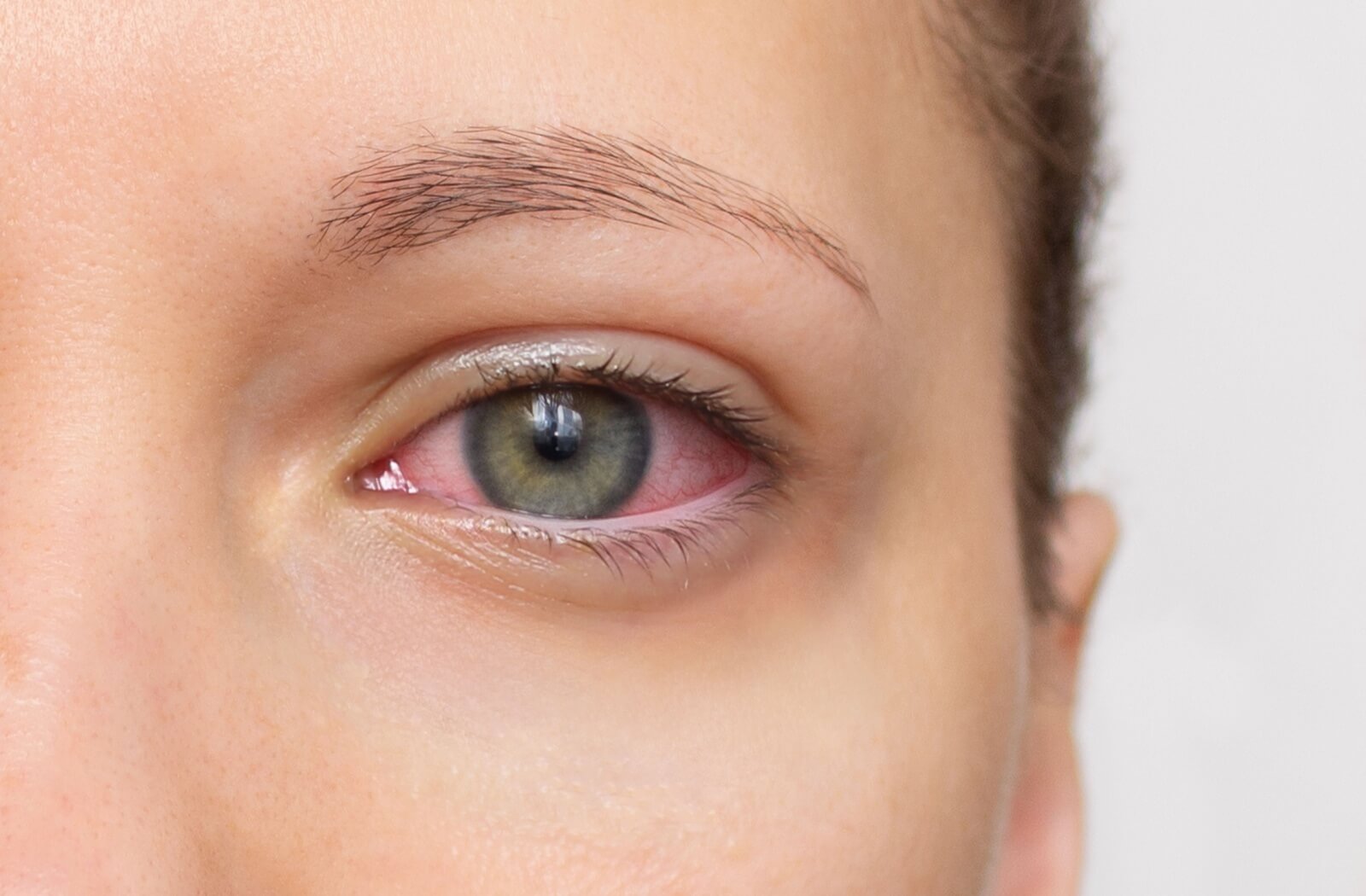
- Basal tears: constantly lubricate the eye.
- Reflex tears: made by irritants such as onions or smoke.
- Emotional tears: made in response to sadness, joy or pain.
Why it stings
When you cry, the salty fluid mixes with the eye surface and can irritate the cornea and the skin around the eyes. Rubbing your eyes makes it worse. Skin on the eyelids is thin, and repeated crying and wiping can make it red.
Eye redness
Crying dilates blood vessels around the eye and causes puffiness and redness.
Why your nose runs
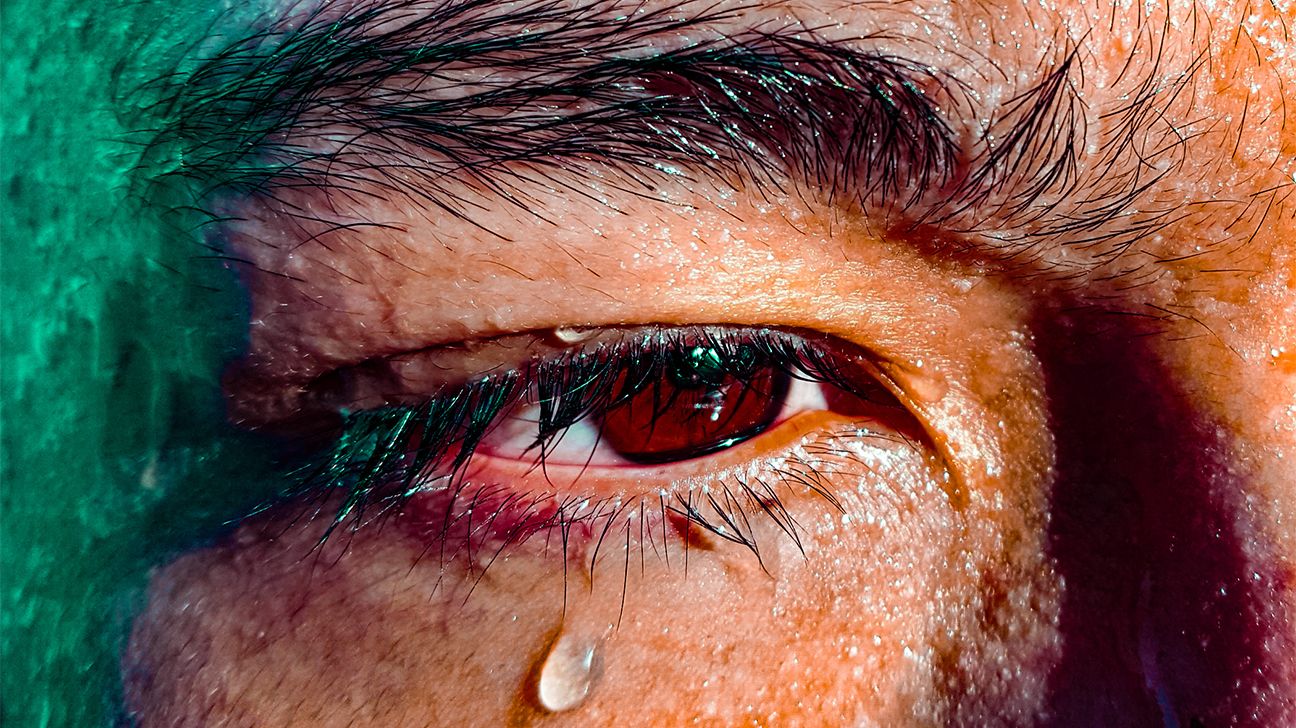
Tears drain through small ducts (puncta) into the nasal cavity, causing a stuffy or runny nose.
What helps
- Splash cool water on your face.
- Use preservative free artificial tears.
- Apply a cool damp cloth for a few minutes.
- Avoid rubbing.
- Drink water.
Long lasting symptoms
If eyes sting for hours without reason, or with blurry vision, redness, discharge or pain, it could be dry eye, conjunctivitis or an eye injury.
When to see an eye doctor
Seek attention for severe pain, vision loss, light sensitivity, a foreign body feeling or chemical exposure. For chemical splash, flush with water for 15 minutes and call a doctor.
Tear composition and stinging
Human tears are mostly water with salts (about 0.9 percent sodium chloride, similar to saline), proteins such as lysozyme that fight bacteria, lipids and mucus. There are three types: basal tears that lubricate the eye all the time, reflex tears produced when the eye is irritated by onions or smoke, and emotional tears. Emotional tears contain more protein hormones, including prolactin and leucine enkephalin, according to some studies. Crying often causes stinging because salt and irritants contact the surface of the eye, and rubbing the eyes, wiping with rough tissue and dry air make it worse. Tears drain through small ducts into the nose, which is why crying causes a runny nose.

Aftercare and when to see a doctor
Rinse the eyes with cool water, use preservative free artificial tears and avoid rubbing. A cool compress eases puffiness and redness. Contact lens wearers may feel more stinging and should remove lenses if irritation persists. Seek an eye exam if the sting lasts more than a day, vision blurs, pain is severe, there is discharge or redness that does not fade, or you have light sensitivity. Dry eye affects millions of adults and can cause burning even without crying, so a persistent problem deserves evaluation.
Based on data from the American Academy of Ophthalmology and the National Eye Institute







