Right-sided chest pain can come from a strained muscle, costochondritis, acid reflux, or lung problems. Call emergency services if it comes with shortness of breath or sweating.
Possible causes
- Muscle strain or rib injury.
- Costochondritis (inflamed rib cartilage).
- Acid reflux or gallbladder problems.
- Pneumonia, pleurisy or a lung clot.
- Anxiety or panic attacks.
- Shingles.
- Heart problems (less common on the right).
Call 911 if
Pain comes with pressure, shortness of breath, sweating, nausea, arm or jaw pain, fainting, or coughing blood.
See a doctor
If pain lasts more than a few days, worsens with breathing, or you have fever.
Home care
Rest, heat or ice, and pain relievers for muscle strain.
Note

Heart attacks can cause pain on either side. Don’t wait.
Common causes on the right side
Chest pain on the right side is less often heart related than left sided pain, but it can still be serious. Most cases come from the muscles and ribs, the lungs, the digestive tract, or anxiety. The right side of the chest also lies next to the liver and gallbladder, so upper abdominal problems can feel like chest pain.
Clues that point to a cause
- Pain that worsens when pressing on the ribs or moving: muscle strain or costochondritis, inflamed cartilage.
- Sharp pain that worsens with a deep breath or cough: pleurisy, pneumonia or a collapsed lung.
- Burning after meals or when lying down: acid reflux.
- Pain after fatty meals with nausea, spreading to the right shoulder: gallbladder disease.
- A band of burning pain with a rash on one side: shingles.
- Sudden shortness of breath with sharp pain: pulmonary embolism or pneumothorax.
Heart causes

Heart attack pain is usually in the center or left side but can be felt on the right, in the jaw or the arm. It is often a pressure or tightness lasting more than a few minutes, sometimes with sweating, nausea and shortness of breath. Women, older adults and people with diabetes may have atypical symptoms.
Anxiety and panic
Panic attacks cause chest tightness, a racing heart, tingling, and a sense of dread. They peak within about 10 minutes. Because symptoms resemble a heart attack, first episodes should be checked by a doctor.
Tests a doctor may use
- Electrocardiogram (ECG) and blood troponin tests for the heart.
- Chest X-ray or CT for lungs and ribs.
- Ultrasound for the gallbladder and liver.
- D-dimer or CT angiography if a lung clot is suspected.
Call 911 if
Pain is crushing or comes with shortness of breath, sweating, fainting, pain spreading to the arm or jaw, a bluish color, or coughing up blood. Do not drive yourself. Chewing a regular 325 milligram aspirin may be advised by emergency staff if a heart attack is suspected and you are not allergic.
Home care for minor pain
Rest, a warm pack and over the counter pain relievers such as ibuprofen or acetaminophen help muscle pain. Antacids help reflux. If pain lasts more than a few days or recurs, see a doctor.
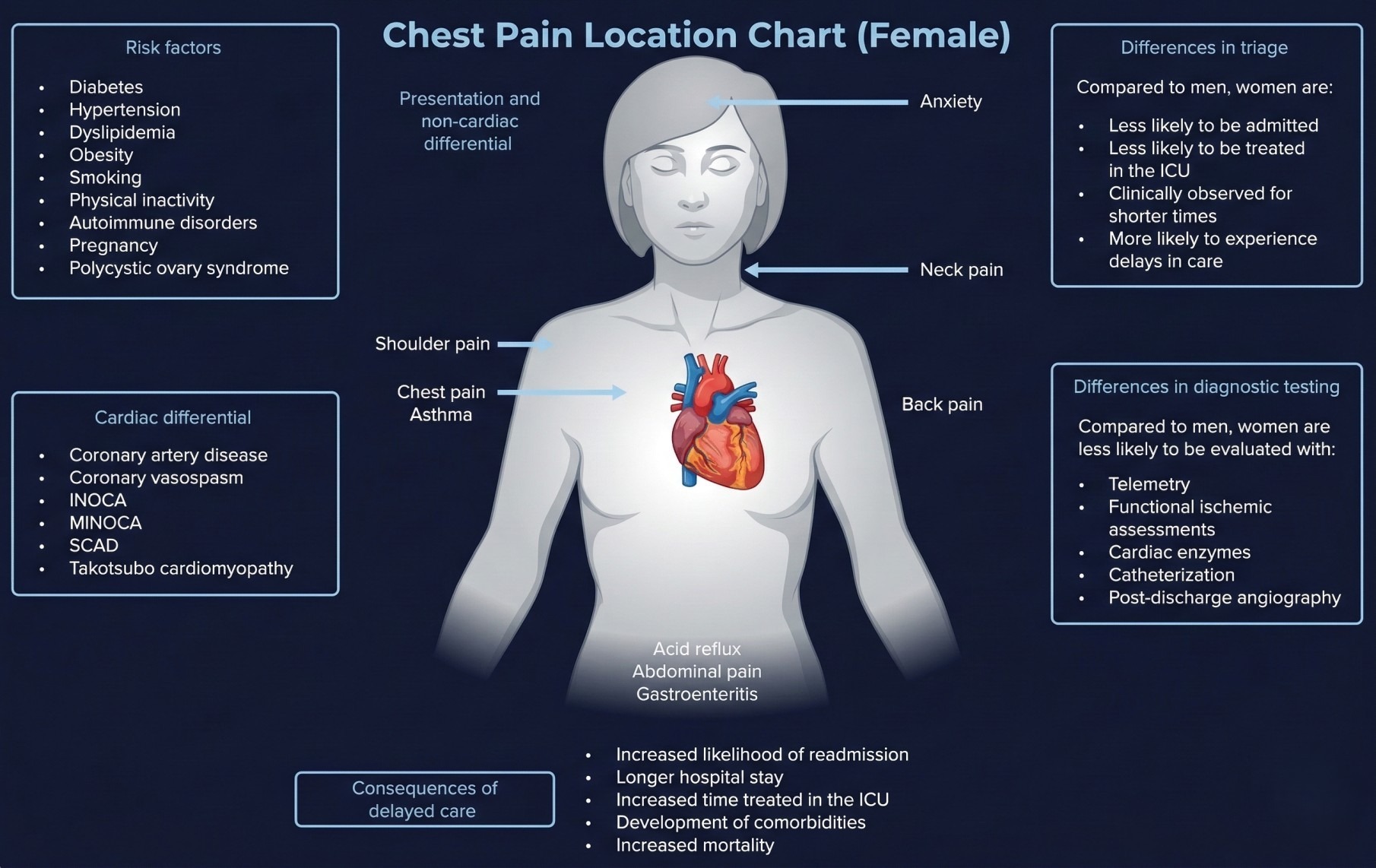
Specific right-sided causes in detail
The right side of the chest holds the right lung, part of the liver under the lower ribs and the gallbladder. Gallstones affect about 10 to 15 percent of US adults and can cause pain under the right ribs that spreads to the right shoulder blade, often after fatty meals. Costochondritis, inflammation of rib cartilage, causes sharp tenderness when pressing on the ribs. Pneumonia and pleurisy cause sharp pain with deep breaths, and a pulmonary embolism can cause sudden pain with shortness of breath and needs emergency care.
Based on data from the Mayo Clinic and the American Lung Association