
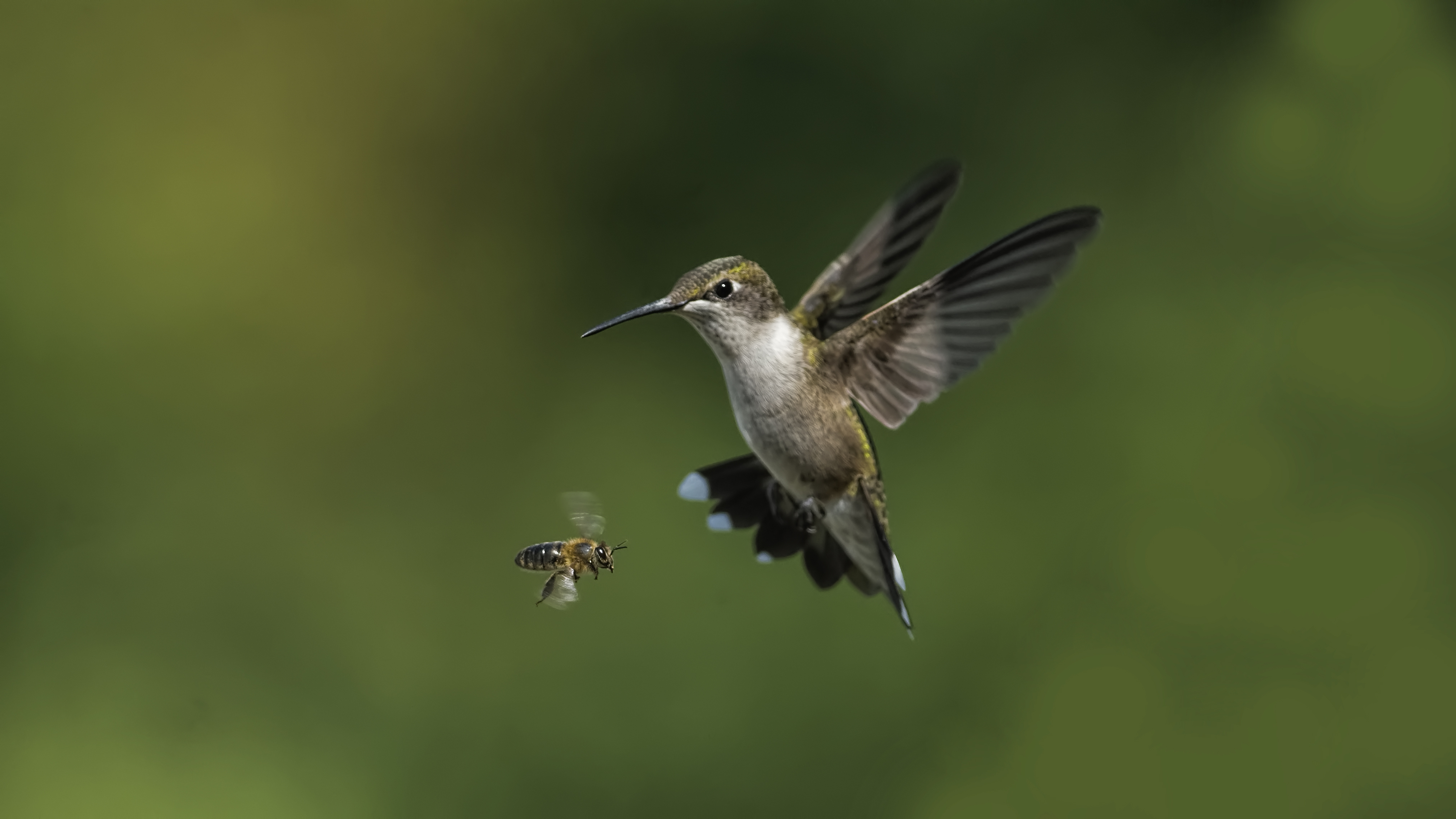
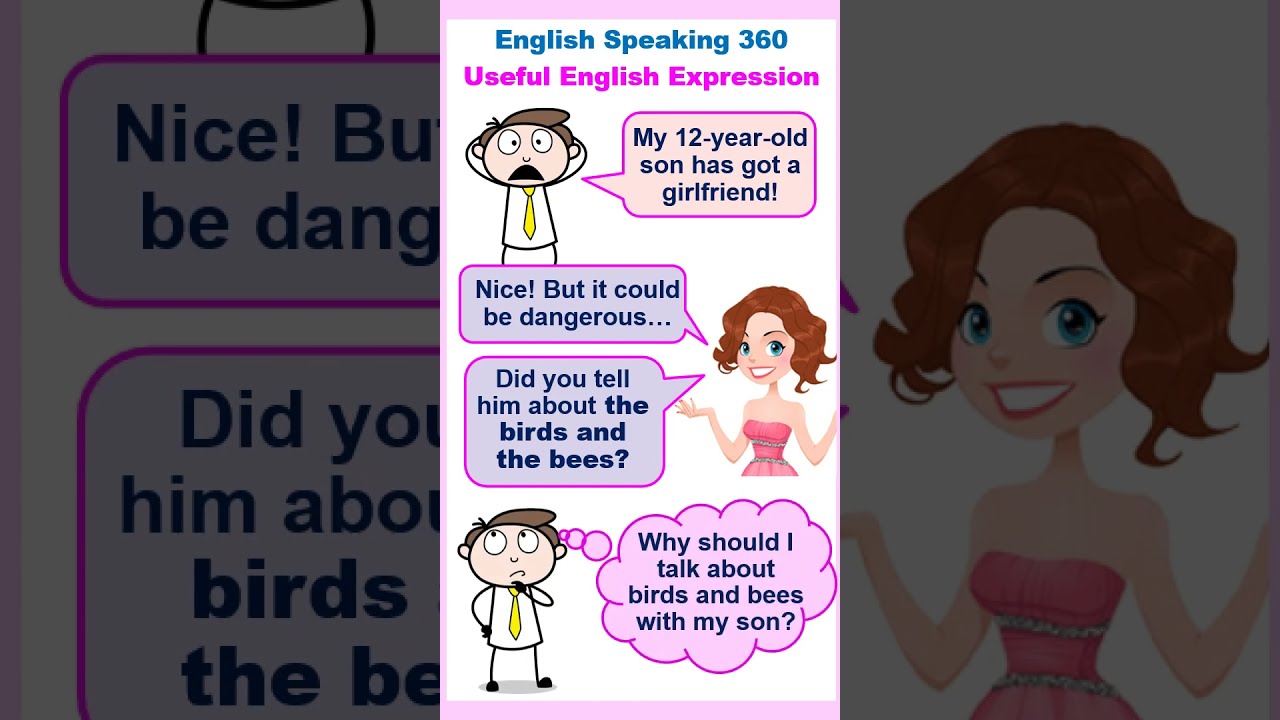
“The birds and the bees” is a euphemism for talking to kids about sex, using the example of bees pollinating flowers and birds reproducing.
Meaning
“The birds and the bees” is a euphemism for the talk about sex and reproduction.
Origin
Poets used birds and bees as symbols of love, such as Samuel Taylor Coleridge’s 1825 line “All Nature seems at work… The bees are humming and the birds are mating.” The phrase became a figure of speech in the 20th century, as adults used flowers and bees (pollination) and birds (eggs) to avoid direct talk.
Modern advice
Experts recommend age-appropriate, honest information with correct terms.
Starting
Start early with body basics at ages 3 to 5, and add more at 8 to 12.
Topics
Puberty, consent, relationships and safety.
Resource
Planned Parenthood and the American Academy of Pediatrics offer guides.
What the phrase means
“The birds and the bees” is a common euphemism for talking to children about sex and reproduction. It refers to the older practice of explaining the topic through nature, using examples like flowers pollinated by bees, and birds laying eggs, instead of discussing human anatomy directly.
Origin
The phrase appears in English from the 1800s. The poet Samuel Taylor Coleridge wrote in 1825 “All nature seems at work… the bees are stirring, birds are on the wing”. The line, together with the song “Let’s Do It (Let’s Fall in Love)” by Cole Porter in 1928, which names birds and bees, made the expression popular. By the 1920s it was widely used for the sex talk. A 1950s film and parenting books helped fix the meaning in American culture.

Why it is now discouraged
Experts say that indirect talk can confuse children. Calling private parts by correct names, such as penis, vagina and vulva, and explaining facts plainly helps children understand and stay safe. Child protection groups advise that children who know body names and rules are more likely to report abuse.
Modern advice by age
- Ages 2 to 4: name body parts correctly and teach privacy and that some parts are private.
- Ages 5 to 8: answer simple questions about where babies come from, explain changes to come, and teach consent and the difference between safe and unsafe touch.
- Ages 9 to 12: explain puberty before it begins, including periods and body changes, and discuss relationships and online safety.
- Teens: cover contraception, sexually transmitted infections, consent, healthy relationships, and online behavior.
Why it matters
Research shows that teens who talk to parents about sex are more likely to delay the first time and to use protection. The CDC reports that teen birth rates in the US fell by more than 75% from 1991 to 2022, to 13.5 births per 1,000 girls aged 15 to 19. Comprehensive sex education is linked to better outcomes than abstinence-only programs, according to reviews.
Tips for the conversation
- Have many short talks, not one big talk.
- Stay calm, answer honestly, and say you do not know if you do not, then find out.
- Ask what the child already knows or has heard.
- Use books written for the child’s age.
Resources
Resources include the American Academy of Pediatrics, Planned Parenthood, the CDC’s pages for parents and Amaze.org, which has short videos for different ages.
Language and history
The phrase birds and bees appears in English by the 1800s in poetry and became a common euphemism for sex education by the 20th century. Samuel Taylor Coleridge wrote a poem in 1825 referring to the birds and bees as symbols of natural activity, and Cole Porter’s song “Let’s Do It” in 1928 carries the idea. Experts now recommend using correct anatomical names and age-appropriate answers instead of metaphors. The American Academy of Pediatrics suggests starting conversations early, around age 3 to 5 with body names, and adding detail over time, since children also need information on consent and online safety.
Based on data from the American Academy of Pediatrics




