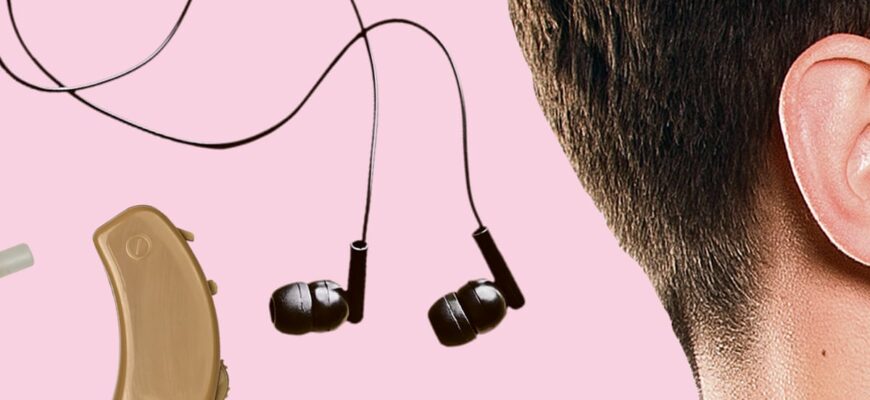
Ringing in the ears (tinnitus) can be caused by loud noise, earwax, ear infection, or medicines.
Tinnitus
Tinnitus is the perception of noise (ringing, buzzing) without an external source. It affects about 10 to 15 percent of adults (American Tinnitus Association).
Causes
- Loud noise exposure.
- Earwax buildup.
- Ear infection or Eustachian tube issues.
- Age-related hearing loss.
- Medicines (aspirin in high doses, some antibiotics, diuretics).
- Meniere’s disease, TMJ, head injuries.
- High blood pressure.
What helps
Reduce noise exposure, use white noise, manage stress and treat the cause. Cognitive behavioral therapy helps.
See a doctor if
Ringing is constant, in one ear, sudden, pulsing, or with hearing loss or dizziness.
Prevention
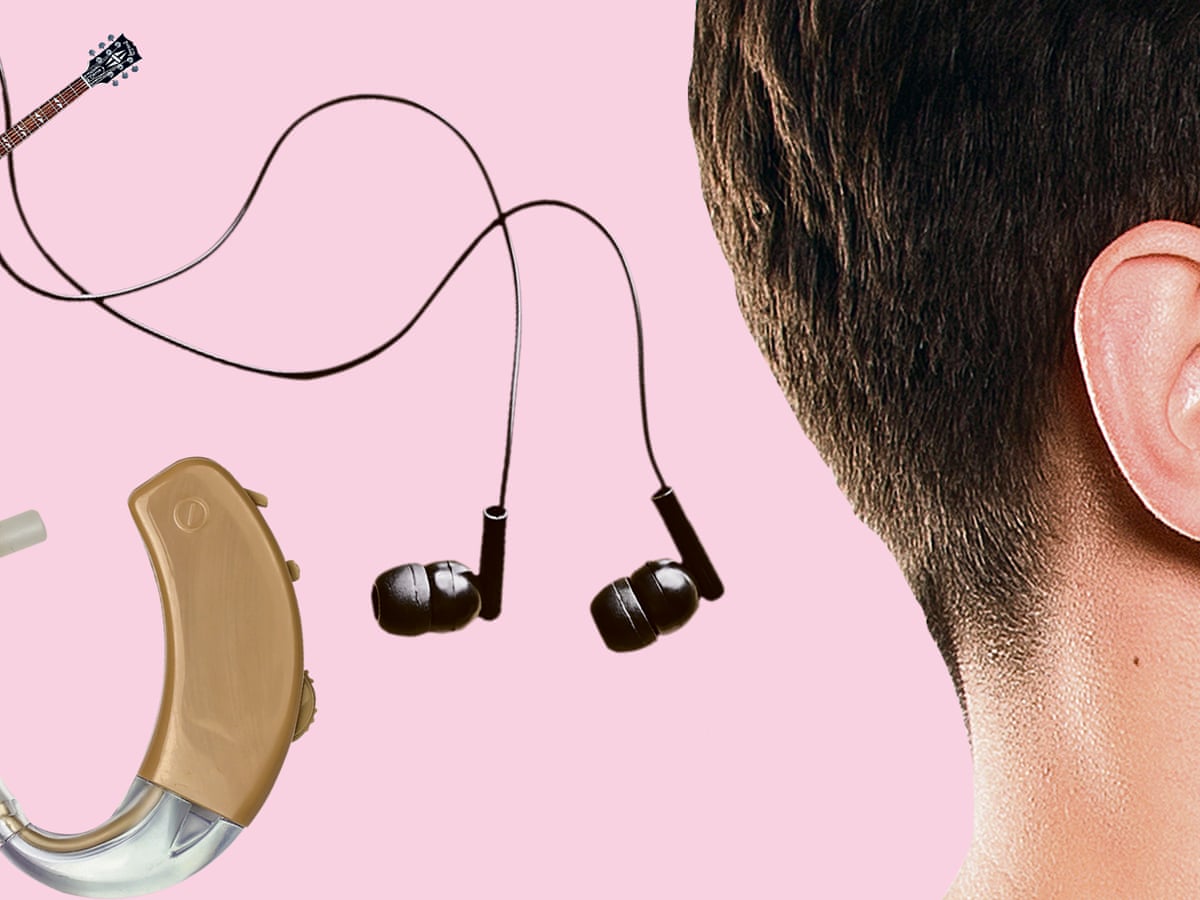
Use ear protection.
What tinnitus is
Ringing in the ears is called tinnitus. It is a symptom, not a disease, and is the perception of sound with no outside source. It may be ringing, buzzing, hissing, clicking or roaring. About 10% to 15% of adults have tinnitus, and about 20 million Americans have burdensome chronic tinnitus.
Causes
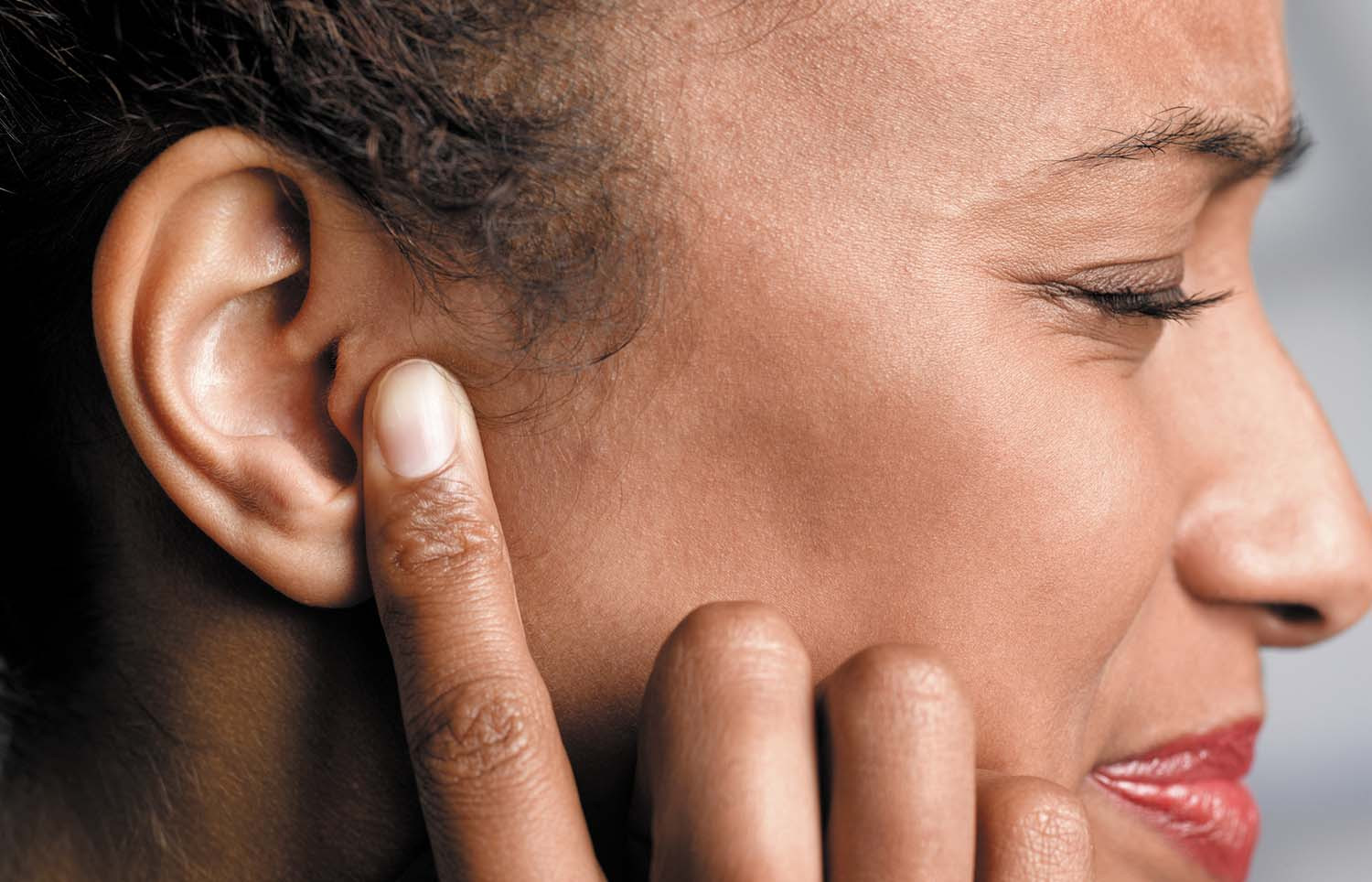
- Noise exposure, the most common cause, from concerts, power tools, headphones and firearms.
- Age-related hearing loss.
- Earwax blockage and ear infections.
- Medications that are ototoxic, such as high doses of aspirin, certain antibiotics (aminoglycosides), loop diuretics and chemotherapy.
- Meniere’s disease, with vertigo and hearing loss.
- Jaw (TMJ) and neck problems.
- Head and neck injuries.
- High blood pressure and vascular conditions, causing pulsatile tinnitus.
- Acoustic neuroma, a rare tumor on the hearing nerve, often with ringing in one ear.
- Stress, anxiety, lack of sleep and caffeine.
What helps
- Treat the cause, such as removing earwax.
- Use background sound, like a fan, white noise or sound machine, especially at night.
- Hearing aids, which help many people with hearing loss and tinnitus.
- Cognitive behavioral therapy and tinnitus retraining therapy to reduce distress.
- Relax with breathing, meditation and exercise.
- Limit alcohol, caffeine and nicotine.
- Protect ears from loud noise.
There is no pill approved to cure tinnitus. Supplements such as ginkgo have not been shown to work.
See a doctor if
Tinnitus is in one ear only, pulses with the heartbeat, comes with hearing loss, dizziness or weakness, started after head injury, or lasts more than a week. Sudden hearing loss is an emergency, and treatment with steroids within days improves outcomes.
Prevention
Keep volume below 60% on headphones, use earplugs or earmuffs around noise above 85 decibels, and give your ears breaks after loud events. Get hearing tested if you notice changes.
Types, hearing loss and hearing protection
Subjective tinnitus, heard only by the patient, accounts for about 95 percent of cases, while objective tinnitus can be heard by a doctor and has a physical source such as a blood vessel. Hearing loss is linked to tinnitus in about 90 percent of chronic cases. Hearing protection helps: earplugs with noise reduction ratings of 20 to 33 decibels can protect at concerts and when using power tools. Sounds above 85 decibels for 8 hours or 100 decibels for 15 minutes can cause damage over time. Treatments include hearing aids, sound therapy, cognitive behavioral therapy and tinnitus retraining therapy, and the American Academy of Otolaryngology guideline recommends against supplements such as ginkgo biloba for tinnitus. A hearing test (audiogram) is the first step. Sudden hearing loss in one ear within 72 hours is an emergency, because early steroid treatment improves recovery.
Based on data from the American Academy of Otolaryngology and the NIDCD







