Urinating every hour can be caused by drinking a lot of fluids or caffeine, a urinary tract infection, diabetes, or an overactive bladder. See a doctor if it persists.
Why it happens
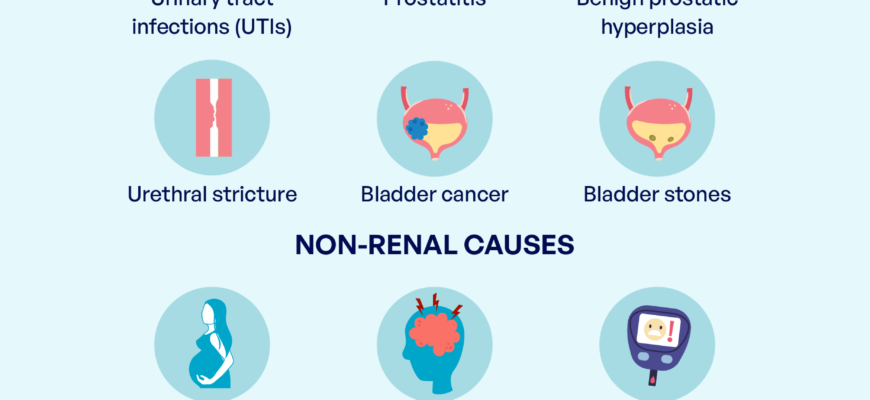
Frequent urination can come from:
- Drinking lots of fluids, caffeine or alcohol.
- Urinary tract infection.
- Diabetes (high blood sugar).
- Overactive bladder.
- Pregnancy.
- Diuretics.
- Enlarged prostate in men.
- Anxiety.
Normal
6 to 8 times a day. Every hour is more than usual unless you are drinking a lot.
See a doctor if
It comes with burning, blood, fever, extreme thirst, weight loss or pain.
Tips
Reduce caffeine, avoid fluids before bed, and bladder training may help.

Diabetes
Frequent urination with thirst and fatigue needs a blood sugar test.
Why it happens
Healthy adults urinate about 6 to 8 times a day, or every 3 to 4 hours. Urinating every hour is more frequent than usual, but it can be normal if you drink a lot of fluids. The bladder holds about 400 to 600 milliliters, and the urge usually begins at about 200 milliliters.
Common causes

- Drinking large volumes of fluids, caffeine and alcohol, which are bladder irritants and diuretics.
- Diuretic medications (“water pills”) for blood pressure.
- Urinary tract infection (UTI), with burning, urgency and cloudy urine. UTIs are very common, affecting up to 60% of women in their lifetime.
- Overactive bladder, affecting about 1 in 6 adults, with sudden urges.
- Pregnancy, where the growing uterus presses on the bladder.
- Enlarged prostate (benign prostatic hyperplasia) in men, which affects about 50% of men over 50.
- Diabetes, in which high blood sugar causes excess urine.
- Interstitial cystitis, a chronic bladder pain condition.
- Anxiety and stress.
- Pelvic floor weakness after childbirth, menopause changes.
- Bladder stones or tumors, neurological conditions, and kidney problems.
Normal
Frequent urination during a day with heavy fluid intake is normal. Check whether the urine is pale and the amount per trip is normal. Waking more than once at night (nocturia) can be age-related.
See a doctor if
You urinate very often with pain or burning, blood in urine, fever, back pain, a strong urge you cannot control, leaking, increased thirst and hunger, weight loss, or trouble emptying the bladder. A doctor may test your urine and blood sugar.
Tips
- Cut back on caffeine, alcohol, artificial sweeteners and acidic drinks.
- Do pelvic floor (Kegel) exercises.
- Try timed voiding and bladder training, gradually lengthening the intervals to 3 to 4 hours.
- Avoid drinking a lot in the 2 to 3 hours before bed.
- Maintain a healthy weight.
Diabetes
Type 2 diabetes often begins with frequent urination, thirst and fatigue. A fasting glucose of 126 mg/dL or higher, or an A1C of 6.5% or higher, signals diabetes. Get tested if you notice these symptoms.

Medical reasons and bladder facts
The bladder can hold roughly 400 to 600 ml, and urge usually starts at about 200 ml. Most adults urinate 6 to 8 times in 24 hours, and drinking large volumes of fluid or caffeine increases frequency. Urinating every hour regularly may signal a urinary tract infection, overactive bladder, an enlarged prostate in men (affecting about 50 percent of men over 50), pregnancy, diabetes, which causes high blood sugar to pull water into urine, or interstitial cystitis. Medicines such as diuretics, and alcohol and caffeine, raise output. Bladder training with gradually longer intervals, pelvic floor exercises and limiting evening fluids can help. See a doctor if frequent urination comes with burning, blood in urine, fever, back pain, extreme thirst, weight loss or if it disrupts sleep, since type 2 diabetes affects about 38 million Americans and many are undiagnosed.
Based on data from the NIDDK and the Urology Care Foundation