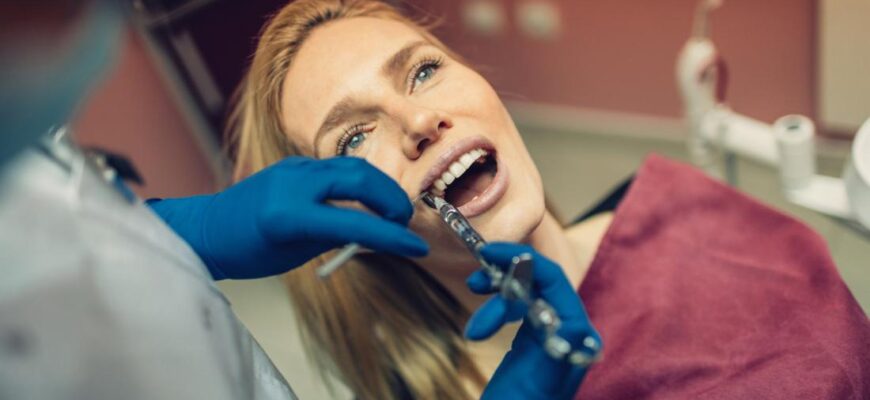
Novocaine and similar dental anesthetics typically wear off in 1 to 3 hours.
Duration
Novocaine (procaine) is rarely used in dentistry now. Modern dental anesthetics like lidocaine and articaine wear off in about 1 to 3 hours. Soft-tissue numbness (lips, cheeks, tongue) can last up to 5 hours.
By type
- Lidocaine: 1 to 2 hours of pulp anesthesia, 3 to 4 hours soft tissue.
- Articaine: 1 to 2 hours.
- Bupivacaine: up to 8 hours.
Tips
- Don’t chew while numb.
- Avoid hot drinks.
- Don’t bite your lip or cheek.
Reversal
OraVerse can shorten numbness.
Call your dentist if

Numbness lasts more than 8 to 12 hours.
Duration in detail
Novocaine itself is rarely used today. Most dentists use similar local anesthetics such as lidocaine, articaine, mepivacaine or bupivacaine, and patients often still call them “novocaine”. Numbness of the lips and tongue typically lasts 2 to 4 hours, while the effect on the teeth lasts about 1 to 2 hours for most drugs. Pain relief in the area can last longer with bupivacaine, up to 8 hours.
By drug type
- Lidocaine with epinephrine: pulp numbness 60 minutes and soft tissue 3 to 5 hours.
- Articaine with epinephrine: pulp numbness around 60 to 75 minutes and soft tissue 3 to 4 hours.
- Mepivacaine without a vasoconstrictor: 20 to 40 minutes of pulp numbness and 2 to 3 hours of soft tissue numbness. It is useful for short procedures and for patients who cannot have epinephrine.
- Bupivacaine: 90 to 180 minutes of pulp numbness and soft tissue 4 to 9 hours. It is used for longer procedures.

Epinephrine narrows blood vessels and keeps the drug in place longer.
Factors that change duration
- Dose and the type of injection. Lower jaw nerve blocks last longer than upper jaw infiltrations.
- Individual metabolism and body size.
- Blood flow to the area. Inflamed tissue clears the drug faster.
- Use of a reversal agent.
- Genetics. Some people metabolize drugs faster and need more anesthetic.
Tips while numb
- Avoid eating until the feeling returns, as you may bite your cheek, lip or tongue. Wait at least 2 hours, and eat soft food and chew on the other side.
- Avoid hot drinks, which can burn numb areas.
- Do not touch or chew on the numb lip.
- Tell the dentist if you have heart disease, are pregnant, or take medications.
Reversal
Phentolamine mesylate (OraVerse) can shorten soft tissue numbness by about half, to around 70 minutes, after injections with epinephrine. It is injected at the same site once treatment is over. It is not suitable for children under 3 years of age or under 15 kg.
Call your dentist if
Numbness lasts more than 8 to 12 hours, you have lasting tingling or loss of feeling in the lip or tongue, or you have a swollen, red injection site. Rare nerve injury can last weeks or longer. Seek urgent care for trouble breathing, swelling of the face or hives.
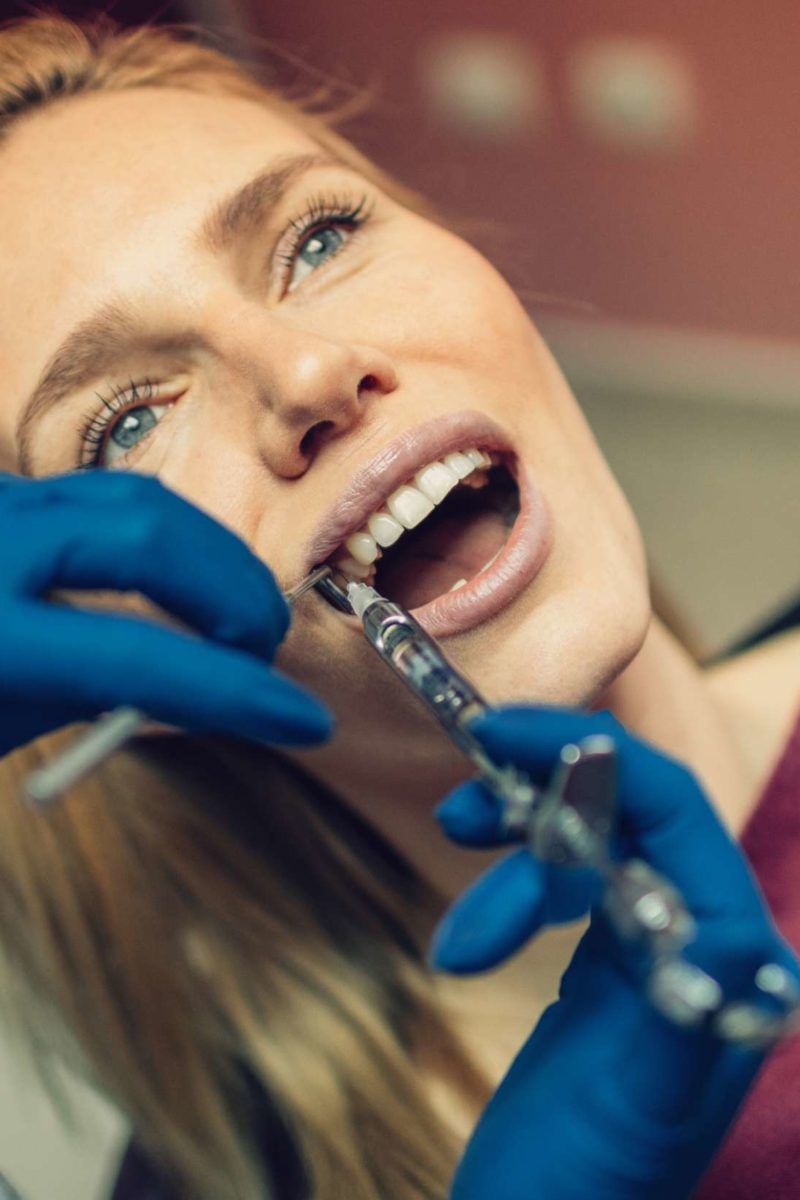
Anesthetic specifics
Novocaine (procaine) is rarely used in dentistry today. Dentists mostly use lidocaine, articaine, mepivacaine and bupivacaine. Lidocaine with epinephrine lasts about 1 to 2 hours for soft tissue, and pulpal anesthesia lasts about 60 minutes. Bupivacaine can last 4 to 8 hours. Numbness in the lower lip and tongue often lasts longer than numbness in teeth. Do not chew while numb to avoid biting your cheek or tongue. Wait until sensation returns before eating. Hot drinks can burn without being felt. Phentolamine mesylate (OraVerse) can reverse numbness in about half the usual time, though it is not always available. Call the dentist if numbness lasts more than 24 hours.
Based on data from the American Dental Association







