Raspberry tea contains antioxidants and is traditionally used for menstrual comfort and digestion.
What it is
Raspberry tea can mean red raspberry leaf tea (from the leaves), or a tea flavored with raspberry fruit.
Possible benefits
- Leaf tea is traditionally used for menstrual cramps and late pregnancy, but clinical evidence is limited.
- Contains antioxidants like tannins and flavonoids.
- Fruit teas provide vitamin C in small amounts.
Caffeine
Pure leaf tea is caffeine-free. Black tea blends contain caffeine.
Pregnancy
Many midwives suggest raspberry leaf tea in the third trimester, but ask your provider. Avoid in early pregnancy.
Making
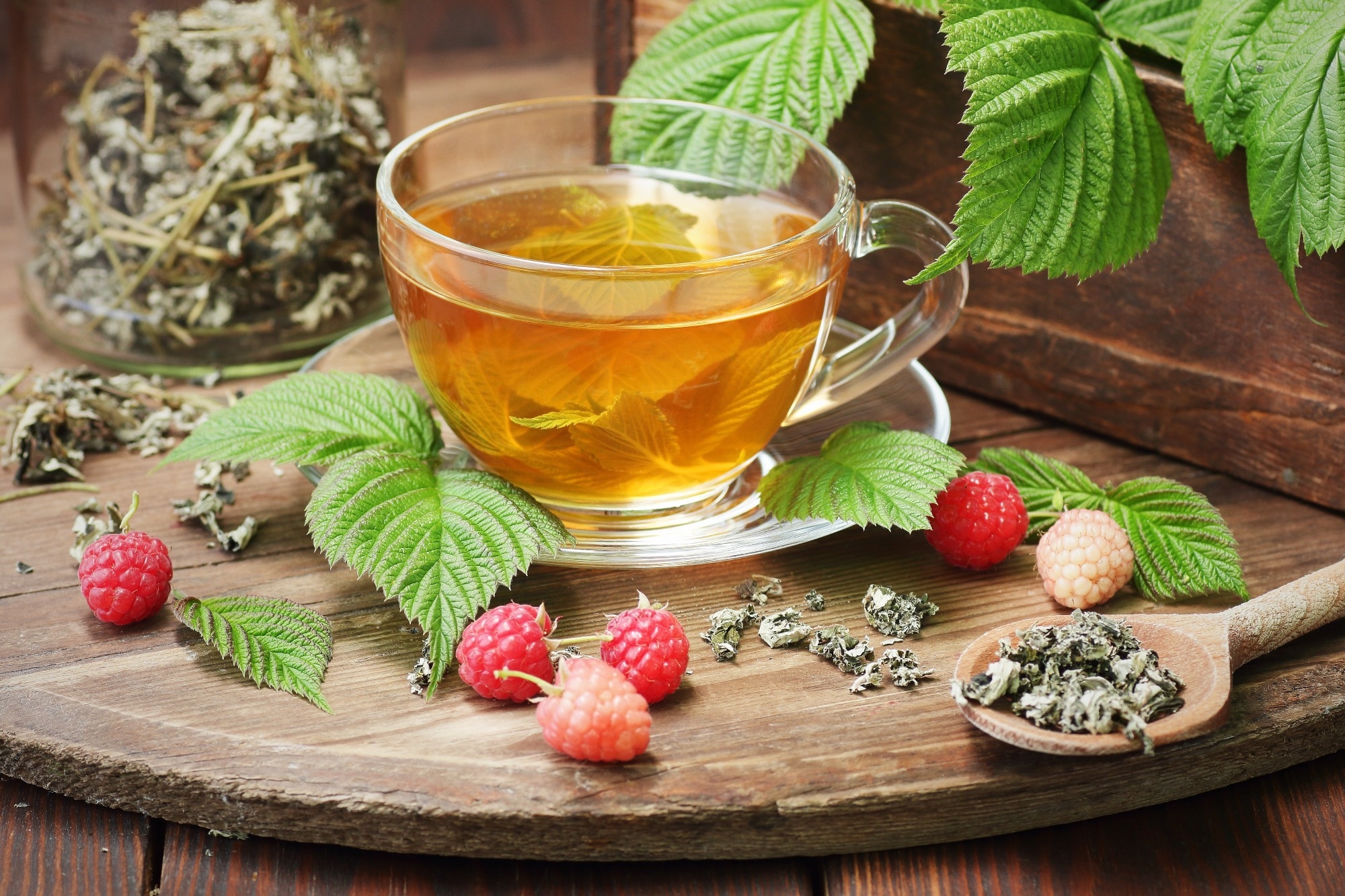
Steep 1 to 2 teaspoons of dried leaf in hot water for 5 to 10 minutes.
Cautions
It may have mild uterine effects and may interact with some medications.
What raspberry leaf tea is
Raspberry tea can mean fruit flavored tea, but the herbal version is made from the dried leaves of the red raspberry plant, Rubus idaeus. It tastes mild and slightly earthy, similar to black tea without the bite, and contains no caffeine when made from the leaf alone. Fruit flavored teas often add hibiscus or black tea, so check the label.
Nutrients and compounds
The leaves contain tannins, flavonoids, small amounts of vitamin C, magnesium, potassium, calcium and iron, and compounds called ellagitannins. A cup of tea delivers only small quantities of minerals, so it should not replace a varied diet. Tannins give the tea a drying feel and may reduce iron absorption when drunk with meals.
Possible benefits
- Antioxidant activity from polyphenols, shown in lab studies.
- A calming, hydrating, caffeine free drink that is helpful in the evening.
- Traditional use for easing menstrual cramps, though clinical trials are limited.
- May modestly help blood sugar in small animal studies, not yet proven in people.
- Possible mild anti-inflammatory activity.
Large human trials on raspberry leaf tea are lacking, so most health claims remain unproven.
Pregnancy
Raspberry leaf tea is widely used in late pregnancy to prepare the uterus for labor. A 2001 Australian study of 192 women found no harm and a slightly shorter second stage of labor in users, but evidence is limited. Many midwives advise waiting until the third trimester, around 32 weeks, and starting with one cup a day. Pregnant women should check with their healthcare provider first, and avoid it if they have a history of preterm labor.
How to make it
- Use 1 to 2 teaspoons of dried leaf, or a tea bag, per cup.
- Pour hot water just below boiling over it.
- Steep for 5 to 10 minutes, longer for a stronger drink.
- Drink hot or iced, with honey or lemon.
Cautions
Raspberry leaf tea can interact with some medications and may have mild hormone like effects, so women with hormone sensitive conditions should ask a doctor. It can loosen stools in large amounts. Allergic reactions are rare. If you take diabetes medicine, monitor blood sugar.
Evidence and safe use
Raspberry leaf tea comes from the leaves of Rubus idaeus, not the fruit, and has a mild flavor like black tea without caffeine. Studies on its use in late pregnancy are small, with a 2001 Australian study finding no effect on labor length but fewer forceps deliveries, and a larger body of research is lacking. Many midwives advise starting it only in the third trimester after talking to a provider. A standard cup uses 1 to 2 teaspoons of dried leaf steeped for 5 to 10 minutes. Tannins can affect iron absorption, so drink between meals.
Based on data from the National Institutes of Health and midwifery guidelines