
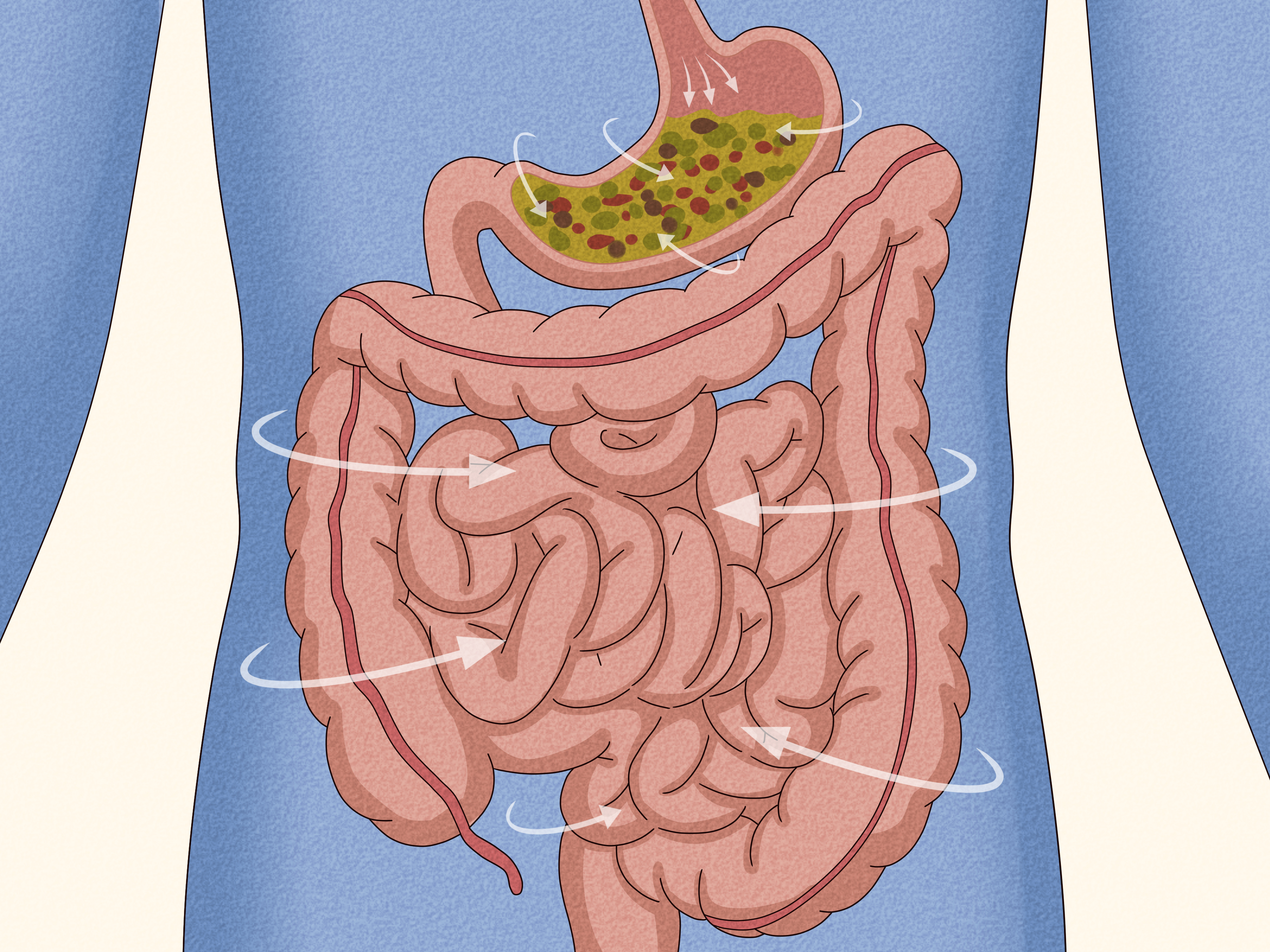
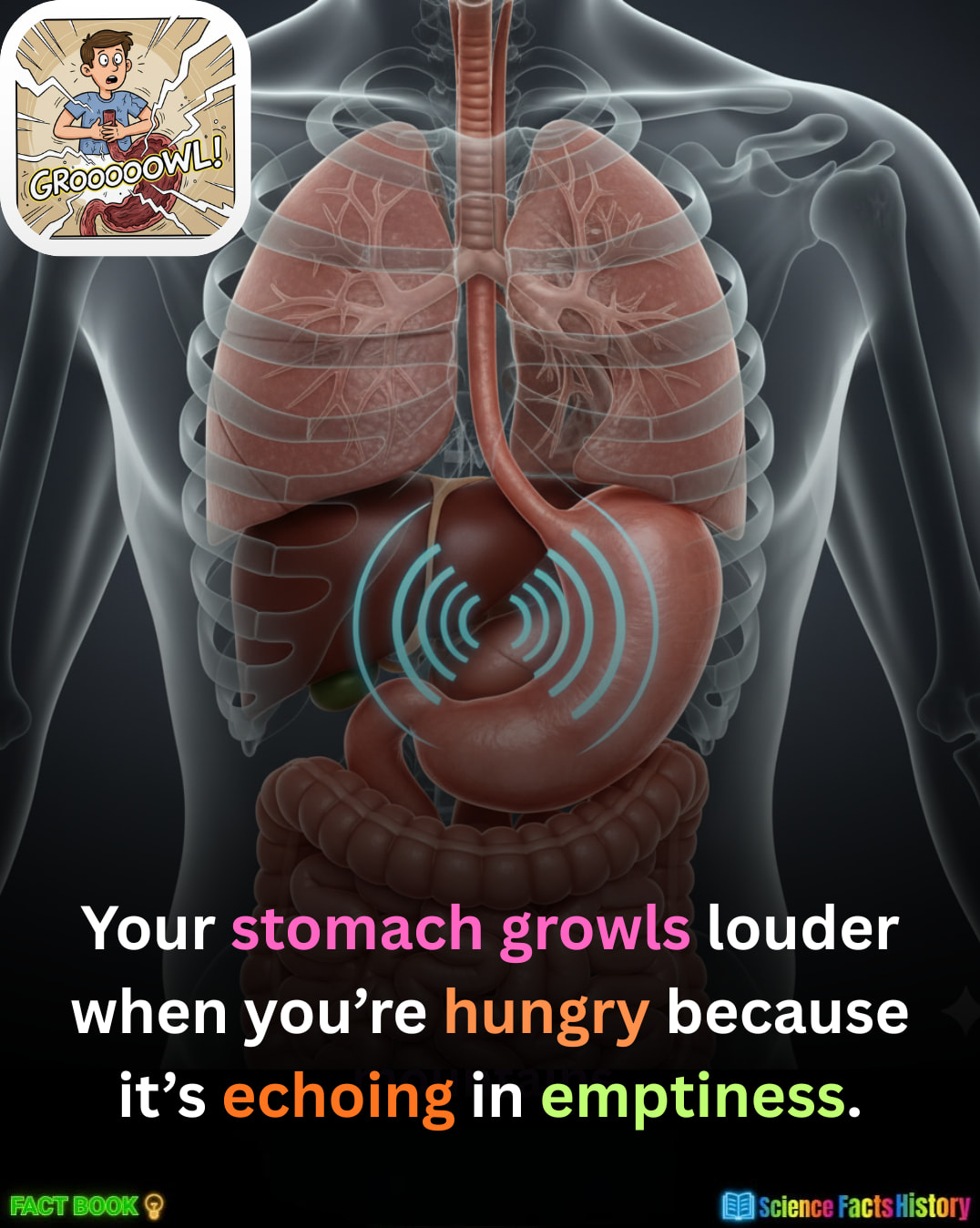
Your stomach growls when muscles in the stomach and intestines move food, gas, and fluid, which is louder when it is empty.
Cause
Stomach growling (borborygmi) is the sound of muscles in the stomach and intestines squeezing food, fluid and gas through the digestive tract (peristalsis).
Hunger
About 1 to 2 hours after eating, the migrating motor complex sweeps leftovers along, which is louder in an empty stomach.
Other causes
- Hunger or digestion.
- Gas.
- Diarrhea or IBS.
- Food intolerance.
- Rarely, bowel obstruction with pain.
Is it normal
Yes. It happens all the time, but is only heard when the stomach is empty.
Reduce
Eat small, regular meals, eat slowly and avoid carbonated drinks.
See a doctor if
Growling comes with pain, vomiting, blood or weight loss.
Why the stomach growls
Stomach growling, called borborygmi, is the sound of gas and fluid moving through the stomach and intestines. It is caused by peristalsis, wave-like muscle contractions that push contents along. The sound is louder when the stomach is empty because there is no food to dampen it. It occurs both when hungry and after eating, as the intestines are always moving.
Hunger
About 1 to 2 hours after the last meal, the brain triggers a pattern of strong contractions called the migrating motor complex (MMC), which sweeps leftover food and secretions through the gut every 90 to 120 minutes. These contractions are louder when the stomach is empty. Ghrelin, the hunger hormone, rises before meals and stimulates this activity.

Other causes
- Gas from swallowed air or food fermentation.
- Digestion after meals as food moves through the small and large intestine.
- Foods and drinks that produce gas, like beans, carbonated drinks, and sugar alcohols.
- Food intolerances, like lactose or fructose intolerance.
- Diarrhea, constipation and irritable bowel syndrome.
- Infections of the gut.
- Intestinal obstruction, which causes high pitched loud sounds with pain and vomiting.
Is it normal
Yes. Growling is normal and happens throughout the day and night. Doctors listen to bowel sounds with a stethoscope as part of an exam, and the absence of sounds can signal a problem.
Reduce it
- Eat regular meals and snacks to avoid long gaps.
- Eat slowly and chew well to swallow less air.
- Limit carbonated drinks, chewing gum and gas-causing foods.
- Drink water, which fills the stomach.
- Identify food intolerances.
- Manage stress, which affects digestion.
See a doctor if
Growling comes with persistent pain, bloating, vomiting, blood in stool, unexplained weight loss, constipation or diarrhea that lasts. If the sounds are loud with severe cramping and no gas passing, seek urgent care.
Typical sounds, timing and loudness
The medical term for stomach and intestinal rumbling is borborygmi. The sounds come from gas and fluid moving through the 25 to 30 feet of small and large intestine as muscles contract in waves called peristalsis. Rumbling happens all day, not only when hungry, but it is easier to hear on an empty stomach because there is no food to muffle it. A cleaning wave called the migrating motor complex starts about 90 to 120 minutes after the last meal and sweeps leftovers toward the colon, which explains why growling often returns about 2 hours after eating. Bowel sounds are normally heard 5 to 30 times per minute by a doctor with a stethoscope.
Foods that tend to increase it
Beans, lentils, onions, cabbage, broccoli, carbonated drinks, sugar alcohols such as sorbitol and large amounts of fiber produce extra gas, and so does swallowing air while eating fast or chewing gum. Lactose intolerance affects roughly 65 percent of people worldwide in some degree and can cause rumbling, bloating and loose stools after dairy. Eating smaller meals every 3 to 4 hours, chewing slowly and limiting gas producing foods reduce noise for most people. Persistent loud sounds with pain, vomiting, swelling or no bowel movements need medical care, since they can signal a blockage.
Based on data from the Cleveland Clinic and the NIH




