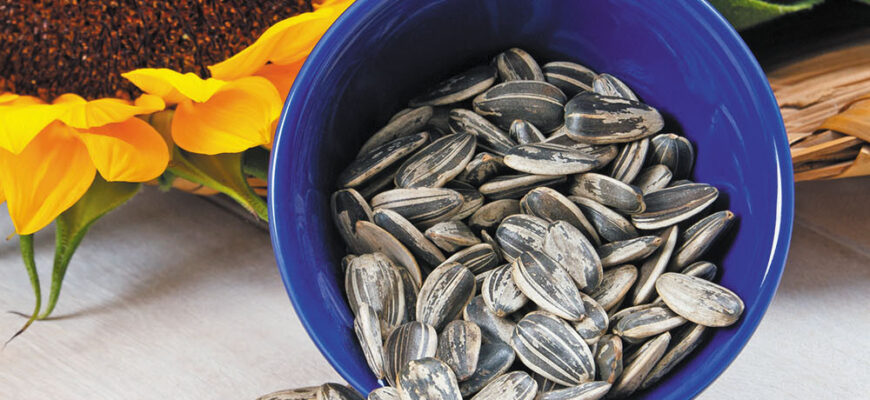
Sunflower seeds provide vitamin E, magnesium, selenium, and healthy fats.
Nutrition
A quarter cup (35 g) of shelled, dry-roasted sunflower seeds has about 205 calories, 18 g of fat, 7 g of protein, 3 g of fiber, 7.4 mg of vitamin E (about 50 percent DV), 41 mcg of selenium and 129 mg of magnesium (USDA).
Benefits
- Vitamin E is an antioxidant.
- Magnesium supports muscles and nerves.
- Selenium supports thyroid function.
- Unsaturated fats support heart health.
Cautions
Salted seeds are high in sodium. They are calorie dense, so stick to a small handful. Sunflower seeds contain cadmium, in small amounts.
Allergy
Rare but possible.
Tip
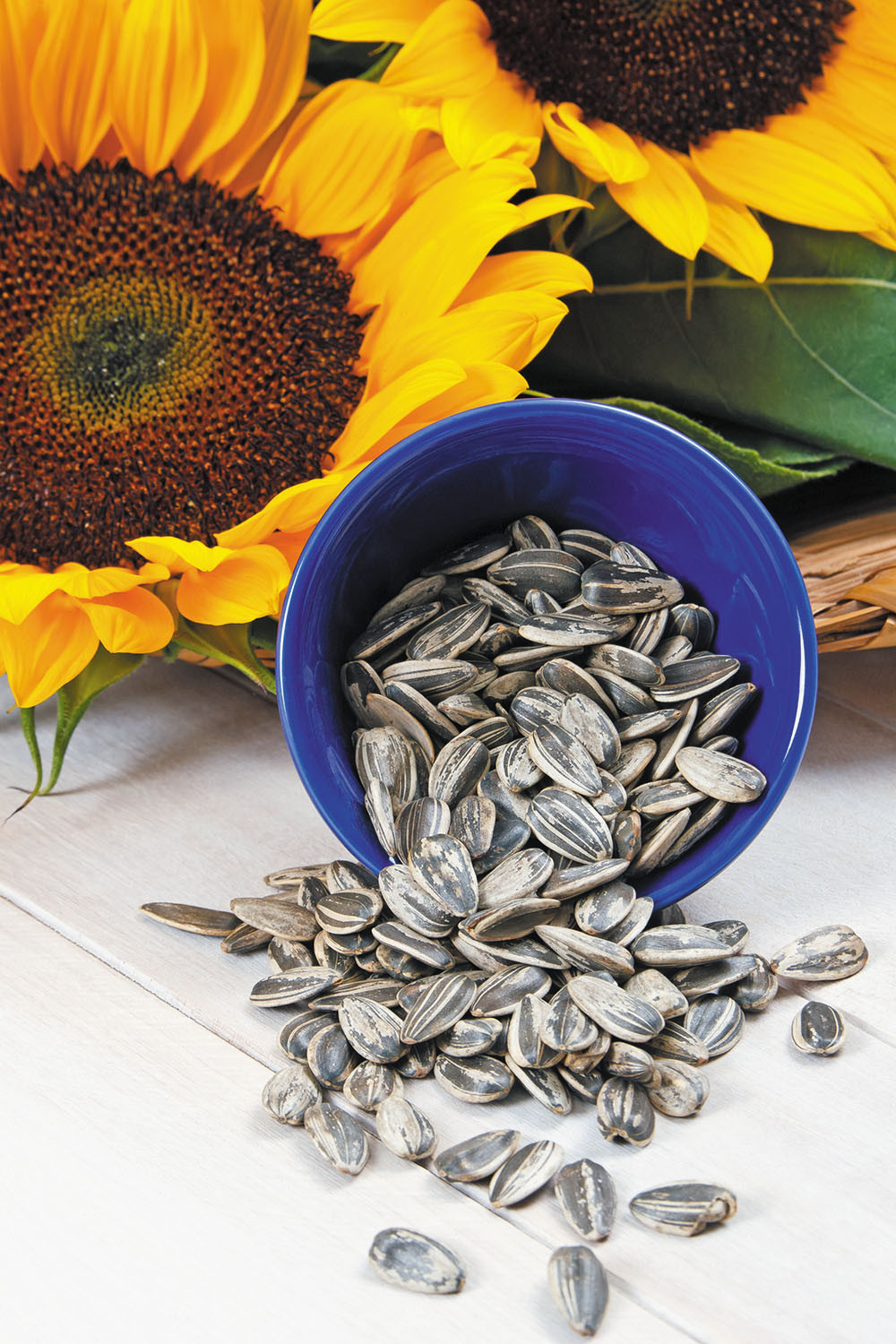
Choose unsalted seeds.
Nutrition data
One ounce (28 grams, about a quarter cup) of shelled dry roasted sunflower seeds has about 165 calories, 14 grams of fat (mostly polyunsaturated), 5.5 grams of protein, 5 to 6 grams of carbohydrate and 3 grams of fiber. It provides about 37% of the daily value of vitamin E, 30% of selenium, 25% of magnesium, 20% of zinc and good amounts of vitamin B6, folate and copper.
Benefits
- Vitamin E is an antioxidant that protects cells from damage.
- Selenium supports thyroid function and immunity. Just one ounce meets about half the daily need.
- Magnesium helps nerves, muscles and blood pressure.
- Plant sterols may modestly lower LDL cholesterol.
- Linoleic acid, an omega-6 fat, replaces saturated fat in the diet and supports heart health.
- Protein and fiber help with fullness.
Cautions
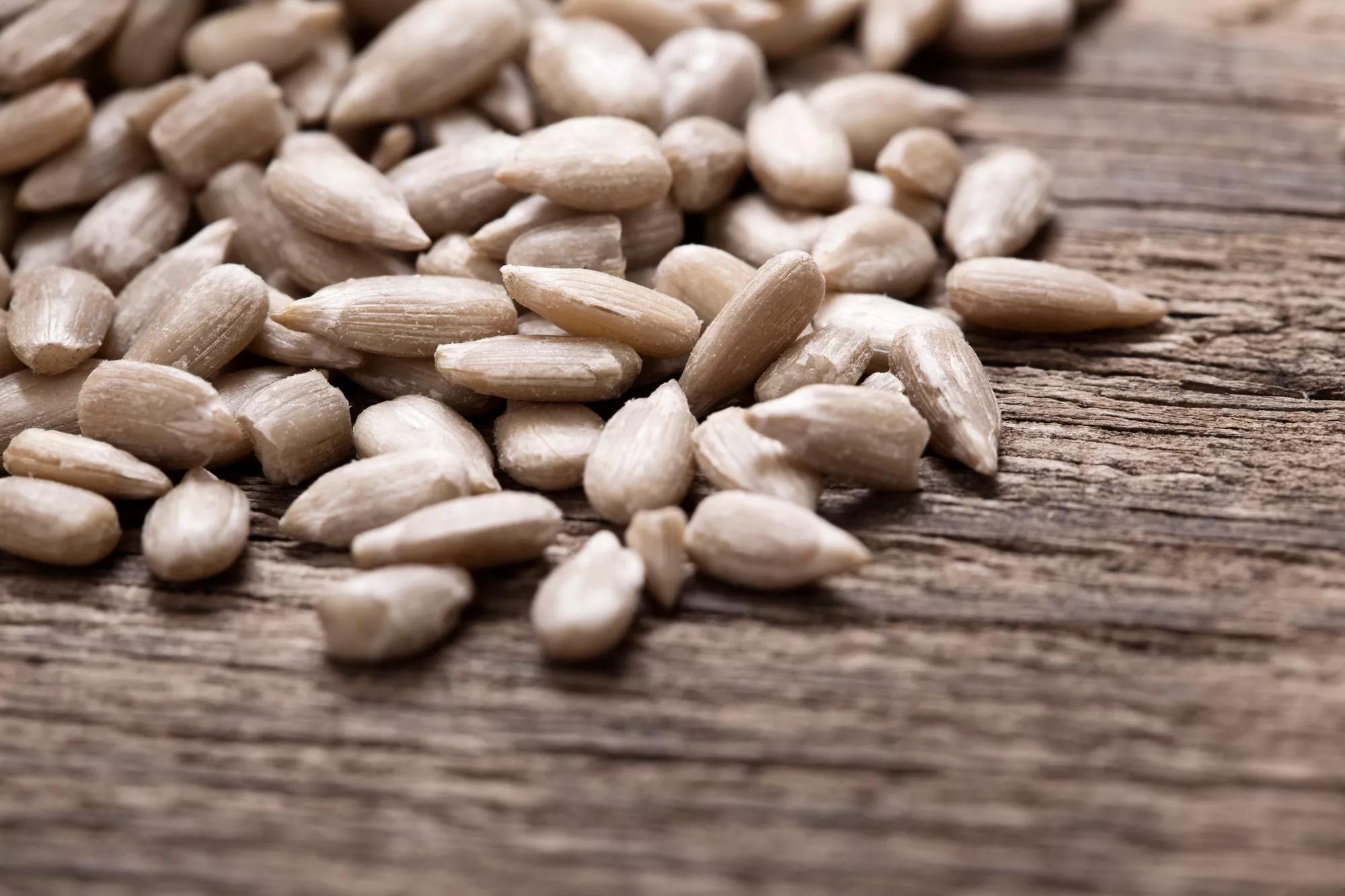
- Calories add up quickly, so keep portions to about a quarter cup.
- Salted, flavored seeds in the shell can have 200 to 700 milligrams of sodium per ounce. Choose unsalted.
- Cadmium, a heavy metal, is taken up by sunflowers from soil, and very high intake could add to exposure. Moderation is wise.
- Eating shells can damage teeth or the digestive tract.
- Sunflower seeds contain little omega-3, so balance with fish, flax or walnuts.
Allergy
Sunflower seed allergy is uncommon but real and can be serious. Cross reactions occur with other seeds and with ragweed in some people. Sunflower seed butter is a popular nut free substitute in schools, but check labels for cross contamination.
Uses
Eat them as snacks, sprinkled over salads, yogurt or oatmeal, baked into bread, blended into butter, or in trail mix. Sprouts and microgreens are also used. Sunflower oil comes from the same seeds and is high in vitamin E.
Storage
Seeds are rich in polyunsaturated fat, which can turn rancid. Keep them in an airtight container in a cool, dark place for 2 to 3 months, or in the fridge or freezer for 6 months or more. Rancid seeds smell like paint or old oil.
History
Sunflowers were domesticated in North America at least 4,000 years ago by Native Americans. Today Ukraine, Russia and Argentina are the leading producers.
Preparing and storing
Raw sunflower seeds in shell have about 205 calories per quarter cup of kernels (35 g), with 9 g of protein and 3 g of fiber. Roasted and salted seeds can add 300 to 500 mg of sodium per serving, so unsalted options are better for blood pressure. Store shelled seeds in the fridge or freezer, since their oils go rancid within a few months at room temperature. Sunflower seed butter is a nut-free alternative to peanut butter for school lunches. Sunflowers were domesticated in North America around 3000 BCE, and the plant is a major oilseed crop. Allergic reactions to sunflower seeds are rare but possible.
Based on data from the USDA FoodData Central and the National Sunflower Association