Many Muslim women wear the hijab as an expression of faith, modesty, and identity, based on interpretations of the Quran. Practice and choice vary widely.
Meaning
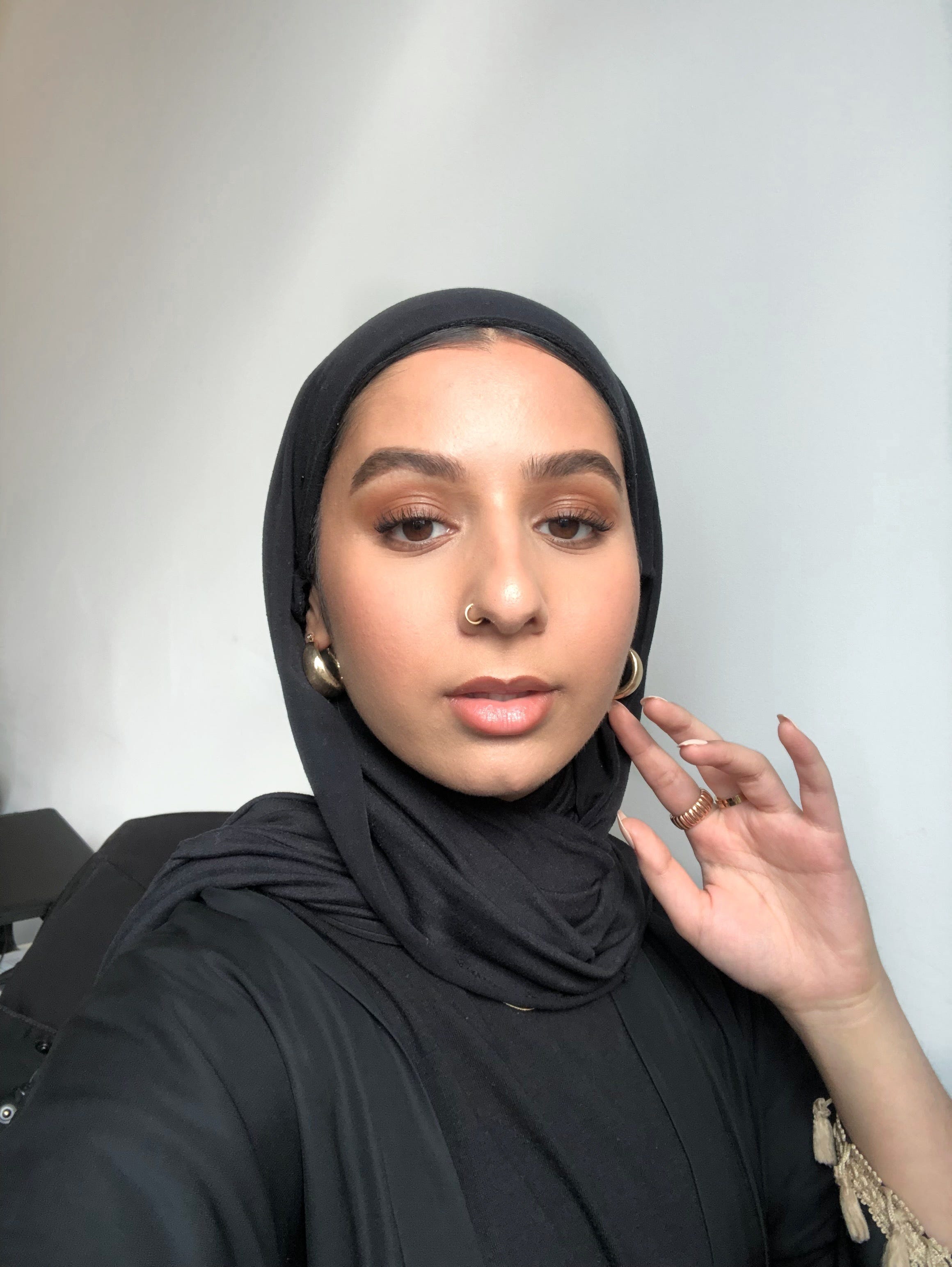
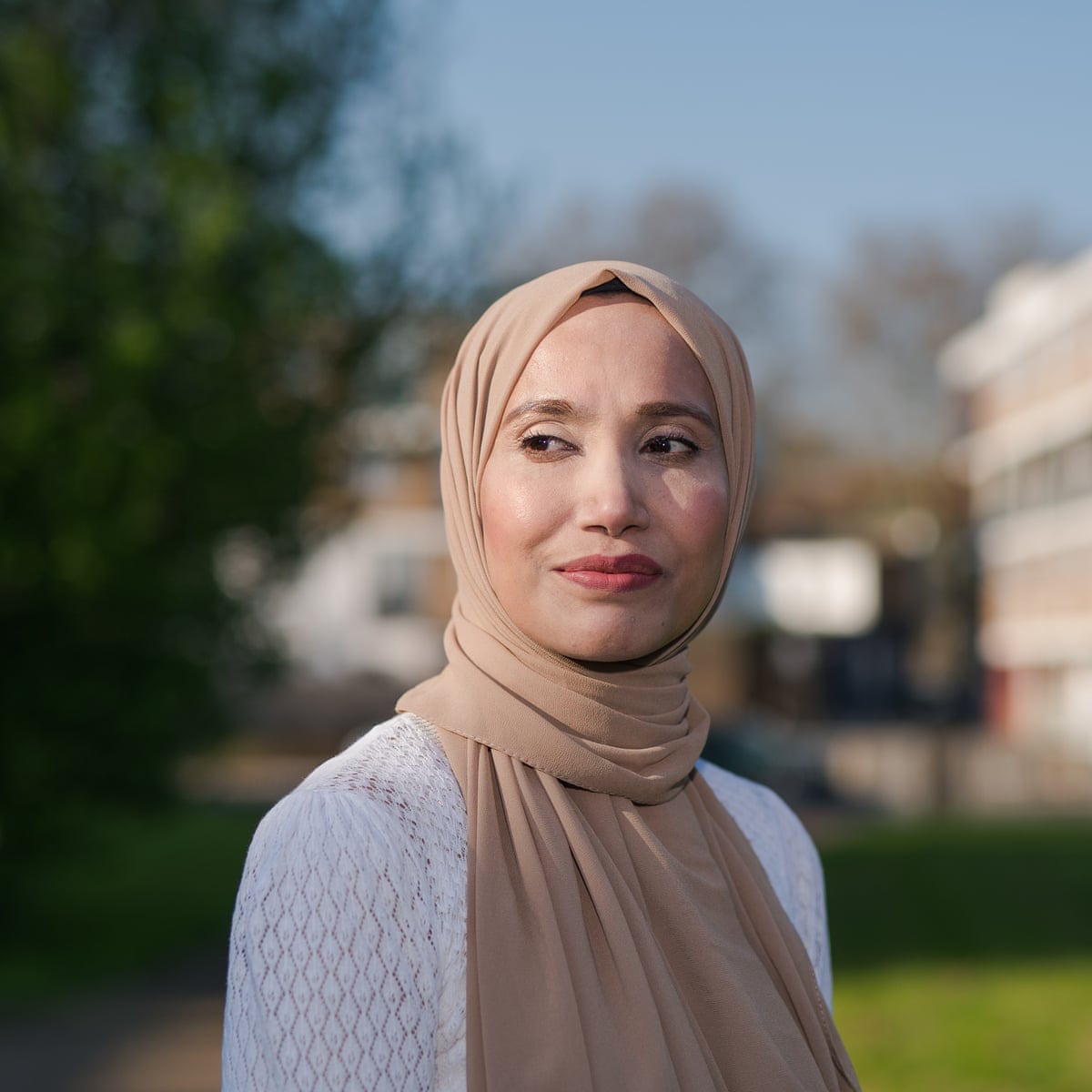
The hijab is a headscarf worn by many Muslim women as an act of faith, modesty and identity.
Basis
Many scholars cite Quran 24:31 and 33:59. Interpretations differ on whether covering the hair is required, and on what form it should take.
Context
- Some women choose it freely. In some countries, such as Iran and Afghanistan, it is legally required.
- In others, such as France, it is restricted in some settings.
- Reasons vary: religion, culture, family tradition, identity and personal choice.
Hijab can also mean modest dress in general.
Meaning of the word
Hijab comes from the Arabic word for cover or barrier. In everyday use, it refers to the headscarf worn by Muslim women, although it also means modesty more broadly.

Women’s reasons
Women say they wear it as an act of faith and worship, for modesty, for identity and cultural belonging, or as a personal commitment. For some, it is a statement of identity in societies where Muslims are a minority.
Styles of wear
The hijab can be wrapped in several ways, with colors and fabrics varying by region, such as cotton, chiffon, silk or jersey. Related garments are the niqab, burqa, chador and abaya.
Scholarly views
Most traditional schools of Islamic law consider covering the hair obligatory for adult women. Some contemporary scholars and many Muslim women hold other interpretations.
Legal context
Iran requires women to cover their hair in public. Afghanistan under Taliban rule has similar requirements. In contrast, France prohibits visible religious symbols in public schools and bans full face coverings in public spaces. Turkey lifted its public sector headscarf ban in stages from 2013.
Survey data
Pew Research surveys in Muslim majority countries show that large majorities in some countries consider covering a religious obligation, while the share of women who actually wear it varies widely.
Experiences of discrimination
Studies in Europe and North America report that some hijab wearing women face bias in hiring and public harassment. The US Equal Employment Opportunity Commission treats religious dress as protected under Title VII of the Civil Rights Act.
Choice
Many Muslim women stress that the decision should be theirs, and that neither forcing nor banning is acceptable.
Meaning of the word and survey data
The Arabic word hijab comes from the root meaning to cover or screen, and in everyday English it refers to the head covering. Pew Research Center surveys of Muslim majority countries have found large differences in what women say is appropriate in public: in Afghanistan and Saudi Arabia most prefer the full face covering, while in Lebanon, Turkey and Tunisia many prefer no head covering or a headscarf only. Among Muslim women in the United States, Pew found that about four in ten said they wear the hijab all or most of the time.
Choice, law and discrimination
Many women describe hijab as a matter of faith, modesty and identity. Some face family or state pressure to wear it, as in Iran, where it has been legally required since the early 1980s, while others face restrictions against wearing it, such as the French school ban of 2004. In the US, the Supreme Court ruled in EEOC v. Abercrombie and Fitch (2015) that an employer may not refuse to hire an applicant to avoid accommodating religious dress. Reports of discrimination against women who wear the hijab are documented by civil rights groups. Respect for each woman’s own decision is a common principle across human rights frameworks.
Based on data from Pew Research Center and the US Supreme Court