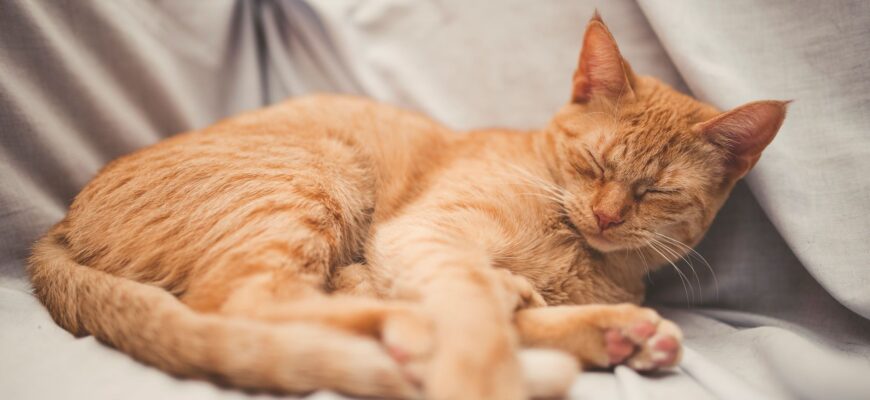
Snoring in cats is often normal, especially in flat-faced breeds. See a vet if it is new, loud, or comes with breathing trouble.
Why cats snore
- Relaxed airway tissues during sleep.
- Flat-faced (brachycephalic) breeds such as Persians and Himalayans.
- Obesity.
- Sleeping position.
Other causes
Allergies, upper respiratory infection, nasal polyps or a foreign object.
When to see a vet
Snoring that is new, loud, with sneezing, nasal discharge, labored breathing or open-mouth breathing.
Tips
Keep your cat at a healthy weight and the air free of dust.
Why snoring happens

Snoring is caused by vibration of relaxed tissues in the upper airway during breathing, especially the soft palate and throat. Cats can snore when sleeping deeply, as their muscles relax.
Breeds more prone
Brachycephalic (flat faced) breeds such as Persians, Himalayans, Exotic Shorthairs and Burmese have shortened skulls with narrow nasal passages and elongated soft palates, so snoring is common. Brachycephalic airway syndrome can cause breathing difficulty.
Weight and age
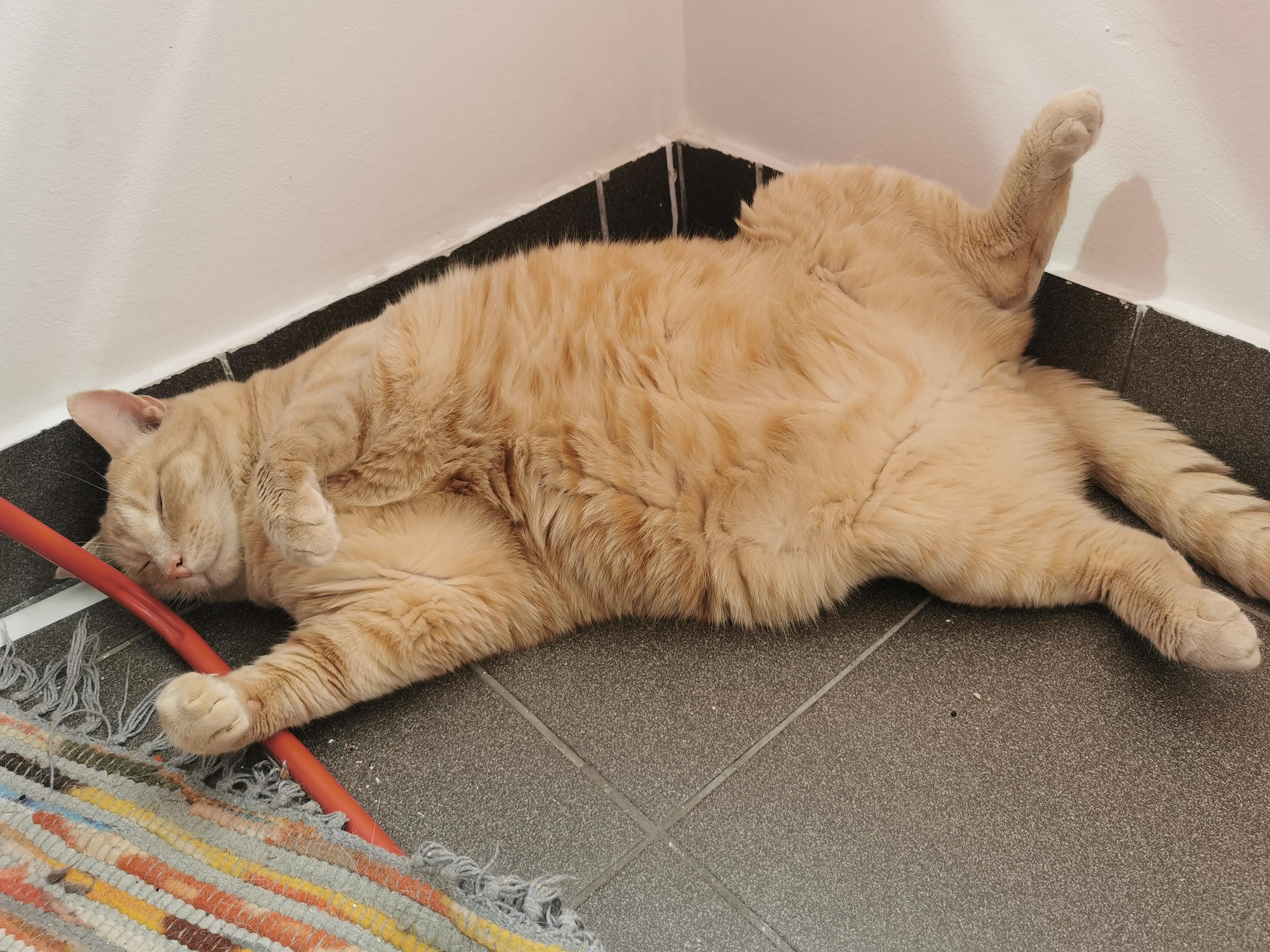
Overweight cats have extra tissue around the throat that narrows the airway. Older cats may have changes in muscle tone.
Medical reasons
- Upper respiratory infections caused by feline herpesvirus or calicivirus.
- Allergies and asthma.
- Dental disease and mouth infections.
- Nasal polyps or tumors.
- Foreign object in the nose or throat, such as grass.
- Heart disease and fluid in the lungs.
Normal snoring
Occasional light snoring, with the cat otherwise happy, eating well and breathing easily is usually not a concern.
Signs to see the vet
- Snoring that is new or getting louder.
- Sneezing, nasal discharge, coughing or wheezing.
- Open mouth breathing, which is an emergency in cats.
- Weight loss, lethargy or changes in appetite.
- Breathing faster than 30 breaths per minute while resting.
Home tips
- Help overweight cats lose weight under veterinary guidance.
- Reduce dust and smoke exposure.
- Use a humidifier in dry rooms.
- Change sleeping position by using a bed with raised edges.
Anatomy and breed risk
Snoring in cats comes from vibration of soft tissue in the nose and throat when airflow is partly blocked. Flat faced (brachycephalic) breeds such as Persians, Himalayans, Exotic Shorthairs and British Shorthairs have shortened airways and snore often. Overweight cats have fatty tissue in the throat, and obesity affects roughly 50 to 60 percent of US cats, according to the Association for Pet Obesity Prevention. Sleeping position, allergies and mild congestion can also cause occasional snoring, which is usually harmless.
When to call the vet
See a veterinarian if snoring starts suddenly in a cat that never snored, or comes with sneezing, nasal discharge, noisy breathing while awake, open mouth breathing, wheezing, weight loss or reduced appetite. Causes can include upper respiratory infection, nasal polyps, a foreign body, dental disease or tumors. Open mouth breathing in a cat is an emergency. Keep your cat at a healthy weight with measured meals, play for 15 to 20 minutes daily, and use a humidifier if the air is dry.
Based on data from the Association for Pet Obesity Prevention and International Cat Care