
Dissolvable stitches usually dissolve in about 1 to 2 weeks, and some take several weeks.
Timeline
Most dissolvable stitches break down in 1 to 2 weeks. Some last 4 to 8 weeks, and a few types up to 6 months.
Types
- Fast-absorbing gut (5 to 7 days).
- Vicryl (about 2 to 3 weeks).
- PDS (up to 6 months).
Care
Keep the area clean and dry. Don’t pick at them.
Signs of trouble
Redness, swelling, pus, fever or the wound opening. See a doctor.
If they stay
Stitches left past the expected time may need to be removed by a doctor.
Mouth stitches

In the mouth, they dissolve within 1 to 2 weeks.
Don’t
Cut them yourself unless told to.
Timeline in detail
Dissolvable (absorbable) stitches break down in about 1 to 2 weeks for fast types and up to several months for slow types. Most skin closures with dissolving stitches fade within 7 to 14 days, though the knots may remain for 2 to 4 weeks. Deeper stitches under the skin can take 8 weeks to 6 months or longer to absorb fully.
Types
- Plain gut: dissolves in 7 to 10 days. Used for mucous membranes and for some quick-healing tissues.
- Fast absorbing gut or polyglactin (Vicryl Rapide): 7 to 14 days, often used for the skin of the face and in the mouth.
- Vicryl (polyglactin 910): loses strength in 2 to 3 weeks and is fully absorbed in 56 to 70 days.
- Monocryl (poliglecaprone): loses strength in 2 to 3 weeks, absorbed in 90 to 120 days.
- PDS (polydioxanone): holds strength for 4 to 6 weeks and absorbs in 180 to 240 days.
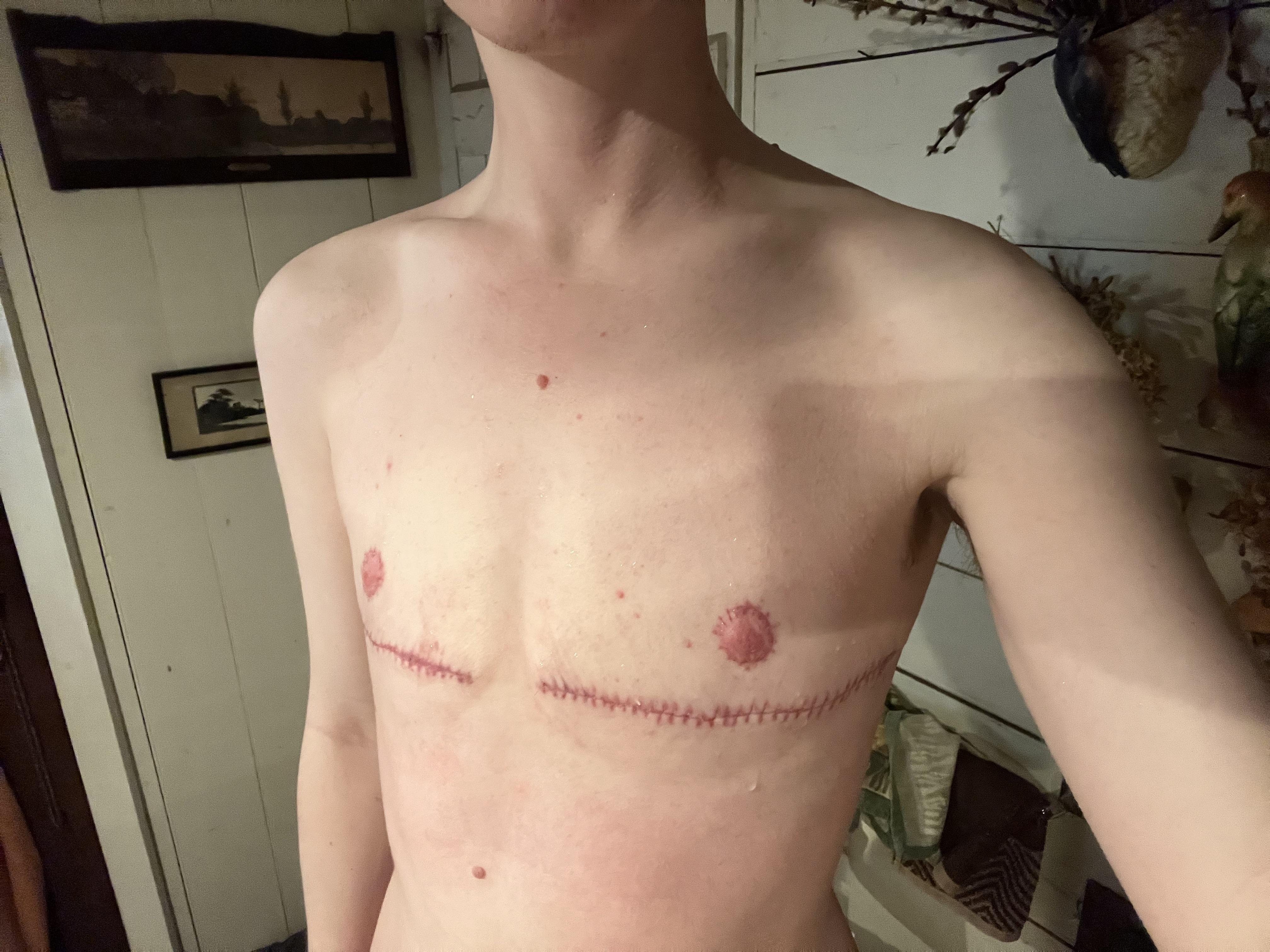
Dissolving stitches break down by hydrolysis or enzymes in the body.
Care
- Keep the wound clean and dry for the first 24 to 48 hours, unless the doctor says otherwise.
- Wash gently with mild soap and water, pat dry and keep covered if told to.
- Avoid soaking the area in baths, pools or hot tubs until healed.
- Do not pull or pick at stitches.
- Follow instructions on ointments and dressings.
- Avoid heavy activity that stretches the wound.
Signs of trouble
- Redness spreading from the wound, increasing warmth or swelling.
- Pus or foul smelling discharge.
- Fever above 100.4 F.
- Increasing pain after the first few days.
- The wound opens up.
If you see these, call your doctor.
If they stay
Sometimes stitch ends poke out and take longer. If they remain after 3 to 4 weeks, or irritate, a doctor or nurse can trim them with sterile scissors. Do not cut them yourself with household tools.
Mouth stitches
In the mouth after tooth extraction or wisdom tooth removal, stitches dissolve in about 3 to 10 days to 2 weeks. Rinse gently with warm salt water after 24 hours, avoid hard and sharp food, and brush gently near the area. Some people notice a small thread in the mouth, which is normal as the stitch loosens.
Do not
Do not use hydrogen peroxide or alcohol on healing wounds, which can slow healing. Do not apply thick creams unless told to.

Suture types and materials
Absorbable stitches are made from materials such as polyglactin (Vicryl), which loses strength in 2 to 3 weeks and is absorbed in 56 to 70 days, polydioxanone (PDS), which lasts 4 to 6 months, and chromic gut, which dissolves in 10 to 14 days. Fast-absorbing gut is used for skin and mouth wounds. Keep the area clean and dry for the first 24 to 48 hours, avoid picking and follow the doctor’s instructions. Some stitches fall off, leave a small end, or become hidden in skin. Contact the doctor for redness, swelling, pus, fever or wound reopening. Non-absorbable stitches must be removed, typically after 5 to 14 days, depending on the location.
Based on data from the American College of Surgeons and the Mayo Clinic




