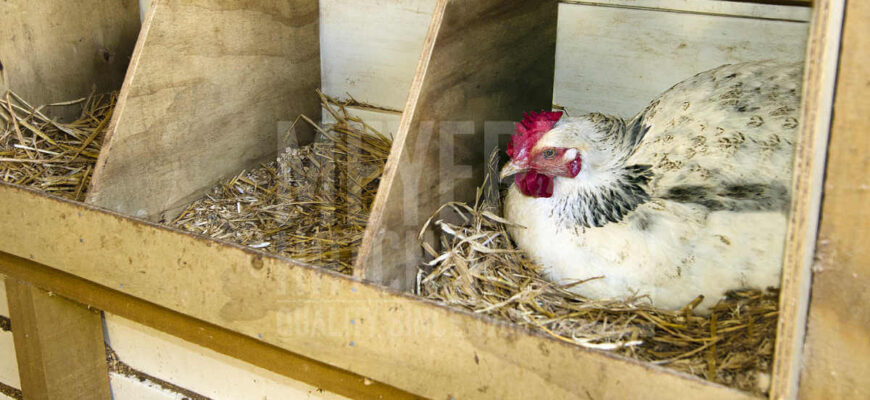
Chickens usually begin laying at about 18 to 22 weeks of age.
Age
Hens usually begin laying at about 18 to 22 weeks (4.5 to 5 months). Some heritage breeds start at 24 to 30 weeks.
Breed differences
- Leghorns, Australorps: 16 to 20 weeks.
- Brahmas and Orpingtons: 24 to 28 weeks.
What influences it
Light (14 to 16 hours a day), season, nutrition and stress.
First eggs
They are small and may be irregular.
Feed
Switch from starter to layer feed at about 18 weeks (16 percent protein plus calcium).
Nest boxes

Provide one box for every 4 to 5 hens.
Production
Highest in the first year, about 250 to 300 eggs for good layers.
Age when hens start laying
Most hens begin laying between 18 and 24 weeks of age (about 4.5 to 6 months), with many starting at 20 to 22 weeks. Lighter breeds such as Leghorns begin earliest, as soon as 16 to 18 weeks, while heavy breeds such as Brahmas and Cochins may not start until 28 to 32 weeks, or about 7 months.
Breed differences

- Leghorn: 16 to 20 weeks, producing 280 to 320 eggs a year.
- Rhode Island Red: 18 to 22 weeks, 250 to 300 eggs a year.
- Sussex, Plymouth Rock and Orpington: 20 to 24 weeks, 200 to 280 eggs a year.
- Australorp: 20 to 22 weeks, up to 250 to 300 eggs.
- Silkies and Brahmas: 28 to 32 weeks, with 100 to 150 eggs a year.
Hybrid layers such as ISA Brown tend to lay early and heavily.
What influences it
- Daylight: hens need 14 to 16 hours of light a day for steady laying. Short winter days slow or stop production. Many keepers add a low-intensity light on a timer.
- Season of hatch: pullets hatched in spring often start in fall, and the shortening days can delay laying until spring.
- Nutrition: switch from starter feed to layer feed (16% to 18% protein with added calcium) around 18 weeks, or when the first egg appears. Offer oyster shell separately.
- Stress, disease, parasites, predators and overcrowding delay laying.
- Weight and body condition.
First eggs
First eggs are often small (“pullet eggs”), may have thin shells, or be oddly shaped and sometimes lack a yolk. Eggs grow to full size over several weeks. Hens lay one egg about every 24 to 26 hours, so they skip a day roughly once a week.
Feed
Chicks need 20% protein starter feed from hatch to 6 or 8 weeks, then grower feed until about 18 weeks. Too much calcium before laying can harm young pullets’ kidneys.
Nest boxes
Provide one nest box for every 4 to 5 hens, around 12 inches square, filled with clean bedding, in a dark quiet place, installed a few weeks before laying. Fake eggs can help show hens where to lay.
Production
Laying peaks in the first year and declines about 15% to 20% each year after. Hens lay for 5 to 8 years, with the best output in the first 2 to 3 years. Molt in autumn pauses laying for 8 to 12 weeks.

Timeline and feeding
Most hens start laying between 16 and 24 weeks, depending on breed, daylight and nutrition. Production breeds like Leghorns begin around 17 to 18 weeks, while heavy breeds like Brahmas may wait until 28 weeks. Pullets need about 14 hours of light a day to keep laying, which is why production drops in winter. Switch from starter feed to layer feed with 16 percent protein and added calcium at about 18 weeks or when the first egg appears. Provide one nest box for every 4 to 5 hens, and oyster shell on the side. First eggs are small, and a peak hen lays 250 to 300 eggs in the first year.
Based on data from university poultry extension services