Regular physical activity strengthens the heart, muscles, and bones, helps control weight, improves sleep and mood, and lowers the risk of chronic disease.
Physical benefits
- Heart: lowers the risk of heart disease and stroke.
- Muscles and bones: builds strength and bone density.
- Weight: burns calories and prevents obesity.
- Blood sugar: reduces risk of type 2 diabetes.
- Sleep and mood.
- Longevity: Meeting guidelines lowers all-cause mortality by about 30 percent.
Guidelines
Adults need 150 minutes of moderate aerobic activity or 75 minutes of vigorous activity per week plus muscle strengthening 2 days (HHS Physical Activity Guidelines).
Children
At least 60 minutes a day.
Start slowly
Walk 10 minutes a day and build up.
Check
Talk to a doctor if you have a health condition.
Physical benefits
- Heart health: regular activity lowers the risk of heart disease by about 30% to 35%, according to the US Physical Activity Guidelines.
- Weight control: burns calories and preserves muscle during weight loss.
- Type 2 diabetes: lowers risk by about 40% in studies of lifestyle change. In the Diabetes Prevention Program, 150 minutes a week of activity and modest weight loss cut risk by 58%.
- Strong bones and muscles. Weight-bearing exercise slows bone loss.
- Lower blood pressure by about 5 to 8 mmHg in people with hypertension.
- Better blood cholesterol: raises HDL and lowers triglycerides.
- Lower risk of several cancers, including colon, breast and endometrial cancers.
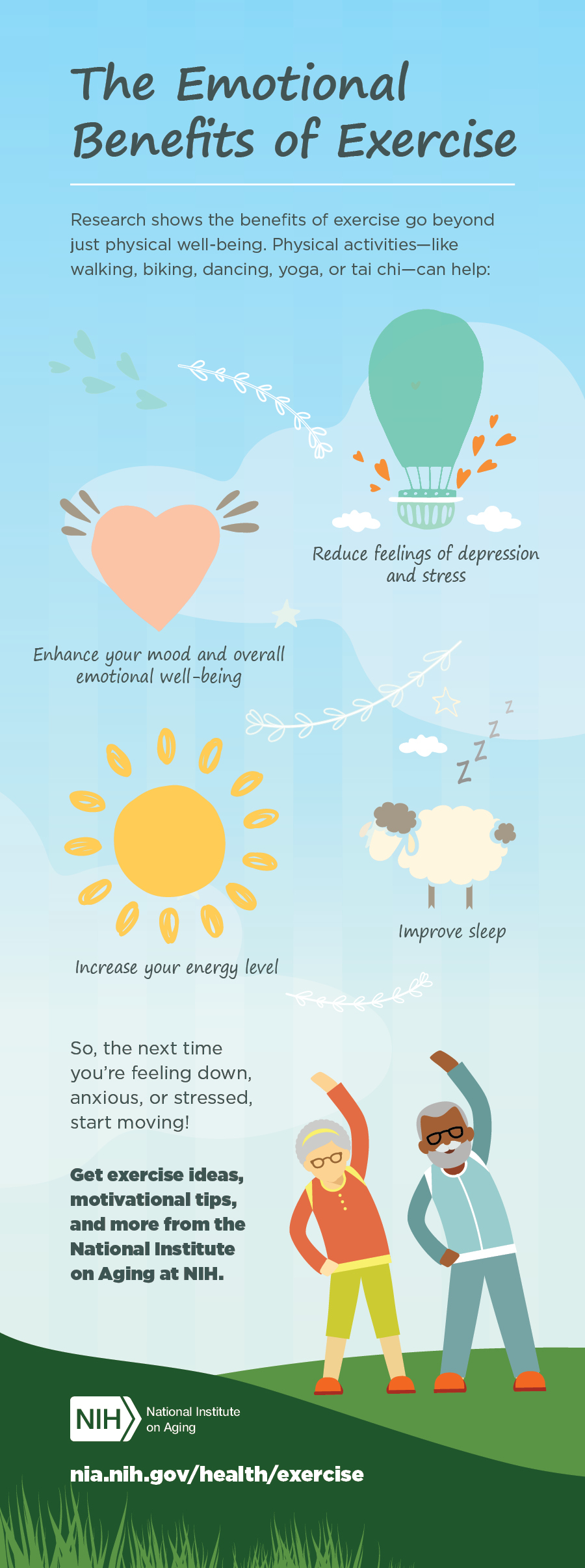
- Better sleep, mood and thinking, and lower risk of dementia and depression.
- Longer life: even 150 minutes a week is linked with about a 30% lower risk of death from any cause.
- Fewer falls in older adults.
Guidelines
Adults should get at least 150 to 300 minutes of moderate-intensity aerobic activity a week, or 75 to 150 minutes of vigorous activity, plus muscle-strengthening activities on 2 or more days. Moderate intensity means you can talk but not sing, such as brisk walking at about 3 to 4 miles per hour. Older adults should add balance training. Only about 24% of US adults meet both aerobic and muscle-strengthening guidelines, according to the CDC.
Children
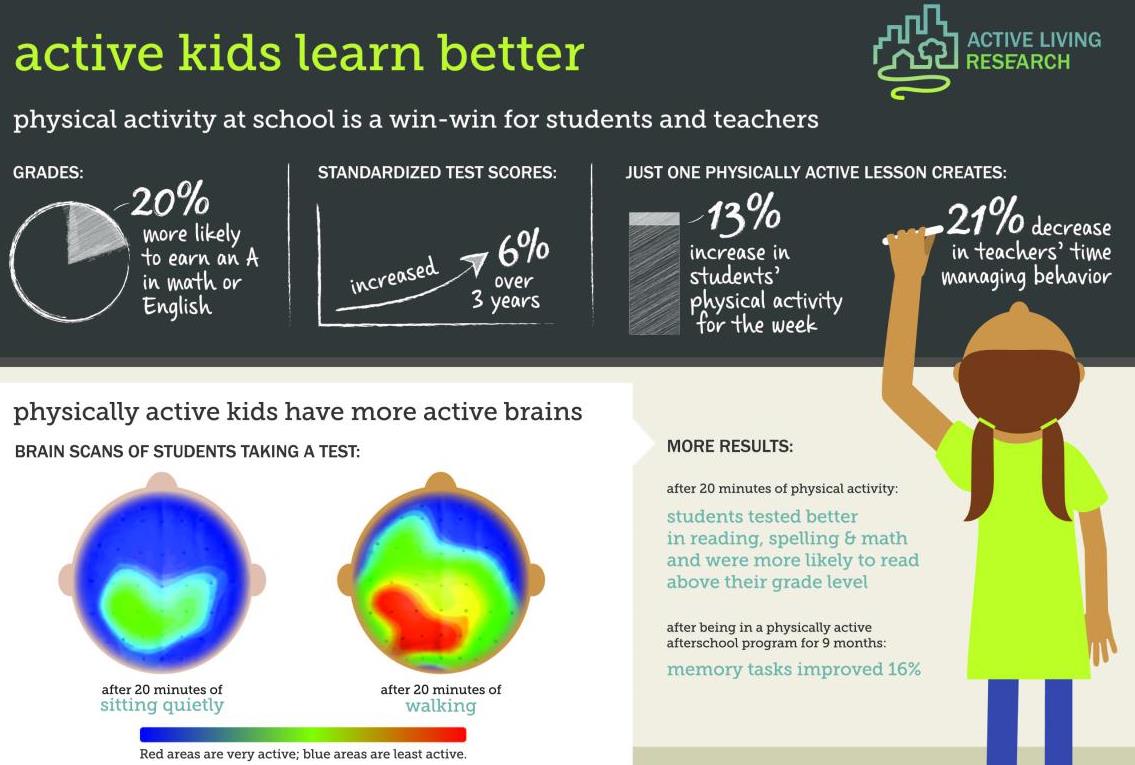
Children and teens aged 6 to 17 need at least 60 minutes of moderate to vigorous activity every day, including vigorous activity and strengthening at least 3 days a week. Preschoolers need active play throughout the day.
Start slowly
- Begin with 10 minutes a day and add 5 minutes each week.
- Choose activities you enjoy, such as walking, cycling, swimming or dancing.
- Break exercise into short sessions. Ten-minute bouts count.
- Use the “talk test” to check intensity.
- Warm up and cool down, and wear proper shoes.
- Increase intensity gradually.
Check
Talk with a doctor before starting if you have heart disease, diabetes, kidney disease, are pregnant, are over 50 and sedentary, or have chest pain, dizziness or joint problems. Stop and seek help for chest pain, severe breathlessness or fainting.
Evidence from large studies
Regular activity lowers the risk of early death by 20 to 30 percent, according to the World Health Organization. A large analysis from the National Cancer Institute found that people who met the recommended activity level had a 31 percent lower risk of dying during follow up than inactive people. Exercise helps lower blood pressure by about 5 to 8 mmHg, improves insulin sensitivity, raises HDL cholesterol and reduces risk of type 2 diabetes by around 30 to 50 percent in structured programs. Strength training twice a week slows loss of muscle and bone density. Adults over 65 should add balance training to reduce falls. The US guidelines call for at least 150 minutes of moderate activity or 75 minutes of vigorous activity per week, plus muscle strengthening on two days. Even short walks of 10 minutes count. People with chronic disease should talk to a doctor before starting a new program.
Based on data from the WHO and the Physical Activity Guidelines for Americans