Repeated sneezing is usually caused by allergies, a cold, or irritants like dust.
Causes
- Allergies (hay fever), affecting about 25 percent of US adults.
- Colds and flu.
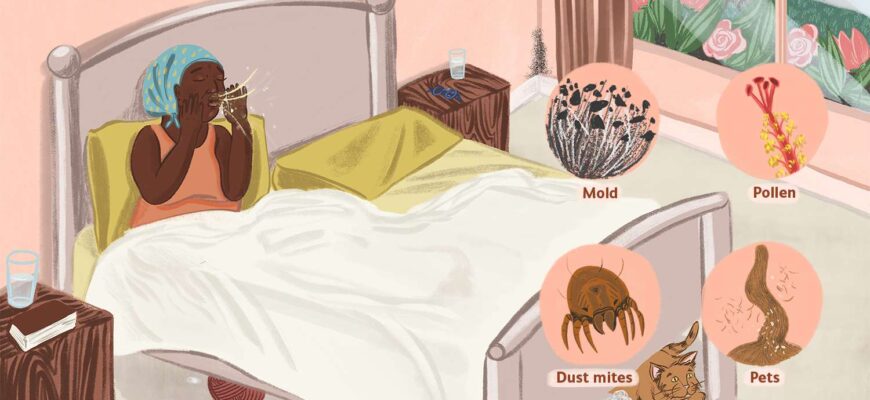
- Dust, pet dander, smoke and strong smells.
- Bright light (photic sneeze reflex).
- Nonallergic rhinitis.
What helps
- Antihistamines (cetirizine, loratadine).
- Nasal steroid sprays.
- Avoid triggers; wash bedding hot.
- Saline rinse.
See a doctor if
Sneezing lasts more than 10 days, with fever, or interferes with sleep.
Cold or allergy
A cold lasts 7 to 10 days and may bring fever. Allergies last weeks, with itching eyes and no fever.
Prevention

HEPA filters and keeping windows closed on high pollen days.
What a sneeze is
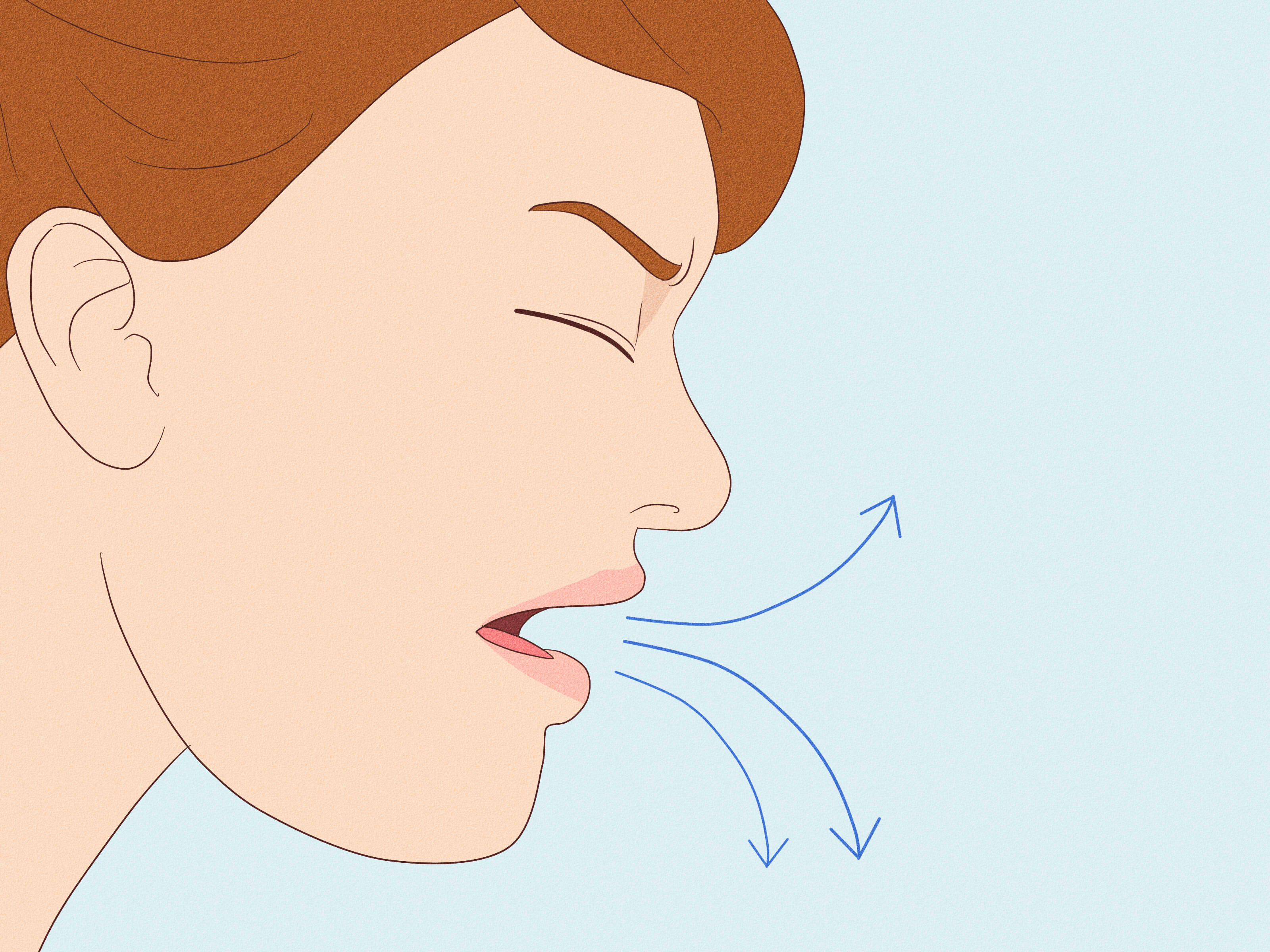
A sneeze is a reflex that clears irritants from the nose. Nerves in the nose send a signal to the brainstem, which triggers a rapid, forceful blast of air from the nose and mouth. Droplets can travel up to 6 meters and the air speeds reach up to 160 kilometers per hour in some estimates. Sneezing does not occur during sleep, because the reflex is suppressed in deep sleep.
Causes
- Allergies: pollen, dust mites, pet dander and mold. Allergic rhinitis affects around 25% of US adults and 19% of children.
- Colds and flu, which spread through sneezes.
- Irritants such as dust, smoke, perfumes, cleaning sprays and pepper.
- Cold air or sudden temperature change.
- Non-allergic (vasomotor) rhinitis, triggered by weather, spicy food or alcohol.
- The photic sneeze reflex, in which about 18% to 35% of people sneeze when exposed to bright light.
- Nasal sprays or drug withdrawal, and hormone changes in pregnancy.
Cold or allergy
Colds bring sneezing with a sore throat, body aches, thick mucus, sometimes a low fever, and last 7 to 10 days. Allergies bring sneezing in runs with itchy, watery eyes, clear runny nose, no fever, and last as long as exposure continues, often weeks. Allergies often follow seasons.
What helps
- Avoid triggers: keep windows closed on high pollen days, wash bedding weekly in hot water, use allergen covers and a HEPA filter.
- Non-sedating antihistamines such as cetirizine, loratadine and fexofenadine.
- Nasal steroid sprays such as fluticasone or budesonide for the most effective long term control.
- Saline rinses to clear allergens.
- Shower after being outdoors on high pollen days.
- Decongestants for short term use.
Prevention
Allergy testing by an allergist can identify triggers, and immunotherapy by allergy shots or tablets can reduce sensitivity over three to five years. Wash hands often to avoid colds.
See a doctor if
Sneezing lasts for more than 10 days, comes with fever or thick yellow green mucus, wheezing, shortness of breath, sinus pain, or interferes with sleep and work. Seek urgent help if you have swelling of the face or throat.
Etiquette
Sneeze into a tissue or your elbow, not your hands, and dispose of tissues right away. Blessing after a sneeze is a custom with disputed origins.

Sneezing mechanics
A sneeze can send droplets at speeds up to about 100 miles per hour (160 km/h) and expels thousands of droplets. It is controlled by the sneeze center in the brainstem, and the trigger is irritation of the nasal lining. About 18 to 35 percent of people sneeze when exposed to bright light, a reflex known as the photic sneeze or ACHOO syndrome. Sneezing after a large meal and strong smells are other triggers. Allergic rhinitis affects about 25 percent of US adults. Treat with antihistamines, nasal steroid sprays and trigger avoidance. Cover sneezes with your elbow, wash hands and replace HVAC filters regularly.
Based on data from the American Academy of Allergy, Asthma and Immunology and the CDC