Worms come out when it rains because the soil is saturated and they surface to breathe or to travel.
Main theories
- Breathing: wet soil may have less oxygen, so worms come up for air.
- Travel: moist ground lets worms move over the surface to new areas.
- Escape: vibrations from raindrops may mimic a mole.
Facts
Earthworms breathe through their skin, which must stay moist. Rain lets them move without drying out.
Danger
Sun and drying surfaces can kill them.
Main theories
- Rain drives worms out of their burrows because soil fills with water and reduces oxygen. Worms breathe through their skin, which must be moist but need oxygen.
- Worms use rain to travel on the surface faster and further than they can underground. Research by Chris Lowe at the University of Central Lancashire suggested that worms can migrate and colonize new areas on wet nights.
- Vibrations from raindrops mimic the vibrations of a predator such as a mole, causing worms to flee upward. Some worms rise when ground vibrations occur, as in “worm charming.”
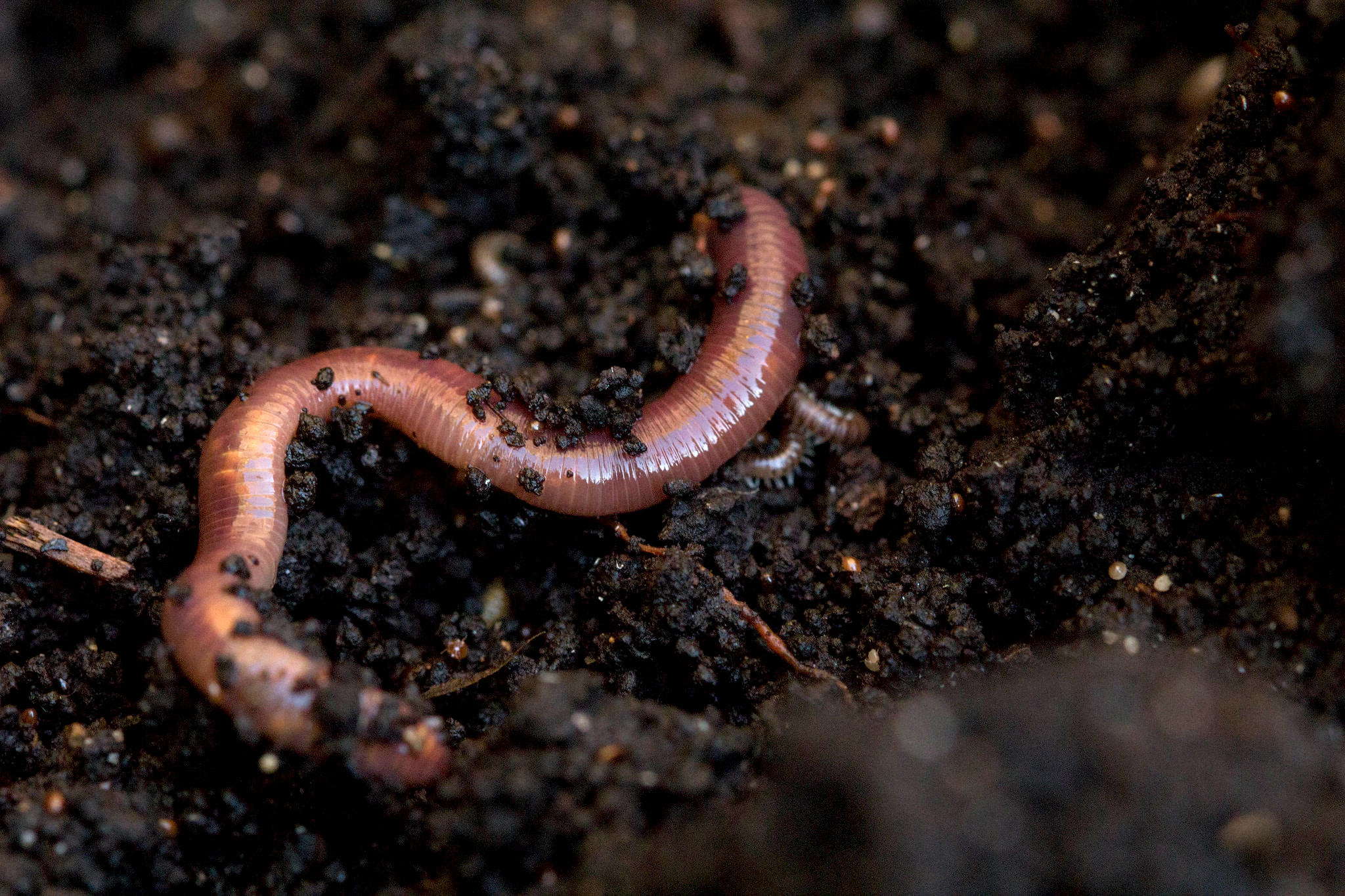
Research on oxygen
Studies found that worms can survive for weeks in water with enough oxygen, so oxygen shortage alone does not fully explain the behavior.
Skin and moisture
Worms need moist skin for gas exchange. In wet weather they can move above ground without drying out. Sun exposure and UV can kill them, which is why they die on sidewalks after sunrise.
Role in soil
Earthworms improve soil by creating channels for water and air, mixing organic matter and producing nutrient rich castings. A healthy garden can have hundreds of earthworms per square meter.

Size and life
Common earthworms are 3 to 8 inches long. The Giant Gippsland earthworm of Australia can reach 3 meters, though 1 meter is more typical.
Safety
Worms on the surface are harmless. Wash hands after handling. Some invasive jumping worms (Amynthas) can harm forest soils in North America.
Saving stranded worms
Moving worms from pavement to grass or soil is harmless and helps them survive.
Hypotheses and observations
Scientists do not agree on one reason earthworms appear on the surface when it rains. One theory says that heavy rain floods burrows and lowers oxygen, though earthworms can survive for days in oxygenated water. Another says that moist surfaces allow them to travel long distances to new habitats without drying out, since earthworms breathe through their skin and need to stay damp. Some researchers suggest the vibrations of falling rain resemble the digging of moles, a predator, prompting worms to flee. Charles Darwin studied earthworms and published a book on their role in soil in 1881.

Roles and care
There are over 6,000 species of earthworms, and they improve soil by mixing organic matter, aerating it and producing nutrient rich castings. Worms that end up on pavement can dry out in sunlight and die, and UV light is harmful to them. You can move them gently onto soil or grass with damp hands. Worms are not dangerous to people, but wash your hands after handling soil. Fishing bait stores sell night crawlers, which are a common species that surface on wet nights.
Based on data from university soil science departments and the Smithsonian Institution