Weakness can come from poor sleep, dehydration, low blood sugar, anemia, or infection. See a doctor if it persists.
Common causes
- Poor sleep or overexertion.
- Dehydration and low electrolytes.
- Low blood sugar or poor diet.
- Anemia (iron deficiency).
- Infections (flu, COVID-19, mono).
- Stress, anxiety or depression.
- Thyroid problems.
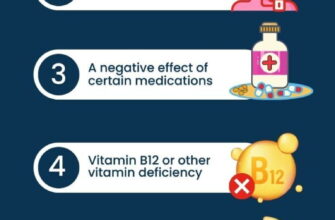
- Medicines.
- Diabetes.
- Vitamin D or B12 deficiency.
What helps
Rest, hydration, balanced meals and gentle exercise.
See a doctor if
Weakness lasts more than a week, or comes with weight loss, fever or numbness.
Emergency
Sudden weakness on one side, face drooping or speech trouble can signal a stroke. Call 911.
Tests
Blood counts, thyroid and glucose.

Medical reasons
- Anemia, especially iron deficiency, which affects about 1 in 4 people worldwide according to WHO.
- Low vitamin B12 or vitamin D.
- Thyroid problems, both low and high.
- Diabetes or prediabetes.
- Infections such as flu, mononucleosis, COVID-19, hepatitis and urinary tract infections.
- Heart failure, kidney disease or liver disease.
- Sleep apnea.
- Electrolyte imbalance, such as low potassium or sodium.
Medicines
Beta blockers, statins, antihistamines, sedatives and some blood pressure drugs can cause weakness or fatigue.
Mental health
Depression and anxiety frequently show up as exhaustion and a feeling of heaviness in the body.
Lifestyle factors

- Poor sleep, with adults needing 7 or more hours per night.
- Dehydration.
- Skipping meals or an unbalanced diet.
- Heavy alcohol use.
- Too little physical activity, which reduces stamina.
Post-viral weakness
After illnesses, including COVID-19, people can feel weak for weeks. Gradual increases in activity help.
What to track
Note when it started, how long it lasts, and other symptoms such as weight change, fever, shortness of breath, dizziness or pain. This helps a clinician decide on the tests.
Common blood tests
Complete blood count, ferritin, thyroid stimulating hormone, blood glucose or HbA1c, vitamin B12, vitamin D, electrolytes, kidney and liver function.
Warning signs
Sudden weakness of one side of the body, trouble speaking, chest pain or severe shortness of breath requires an emergency call.
Common medical reasons for weakness
General weakness has many causes, including anemia (iron, B12 or folate deficiency), thyroid disease, diabetes, kidney disease, heart failure, infection, sleep apnea, depression and side effects of drugs such as statins and beta blockers. Low vitamin D and low potassium or sodium can also lead to weakness. Recovery from a viral illness often includes weeks of fatigue. Doctors commonly order a complete blood count, metabolic panel, TSH, A1c and vitamin levels. Keep a record of when the weakness occurs, associated symptoms, sleep and medicines to help the evaluation.

Warning signs
Sudden weakness on one side of the body, facial droop, speech difficulty or vision loss are stroke signs: call 911 immediately. Weakness that spreads upward from the feet over days can indicate Guillain Barre syndrome, which needs urgent care. Weakness with chest pain, shortness of breath, fainting or confusion also needs emergency help. Unexplained weight loss, fevers and night sweats should be assessed. Basic steps for mild cases include regular meals, hydration, 7 to 9 hours of sleep and gradual exercise.
Based on data from the Mayo Clinic and the American Stroke Association