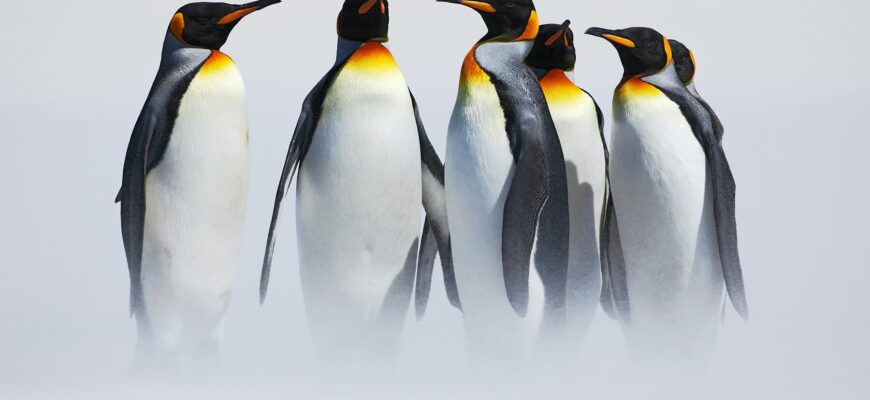
Penguins live about 15 to 20 years in the wild, depending on the species.
Lifespan
Penguins live about 15 to 20 years in the wild, depending on the species.
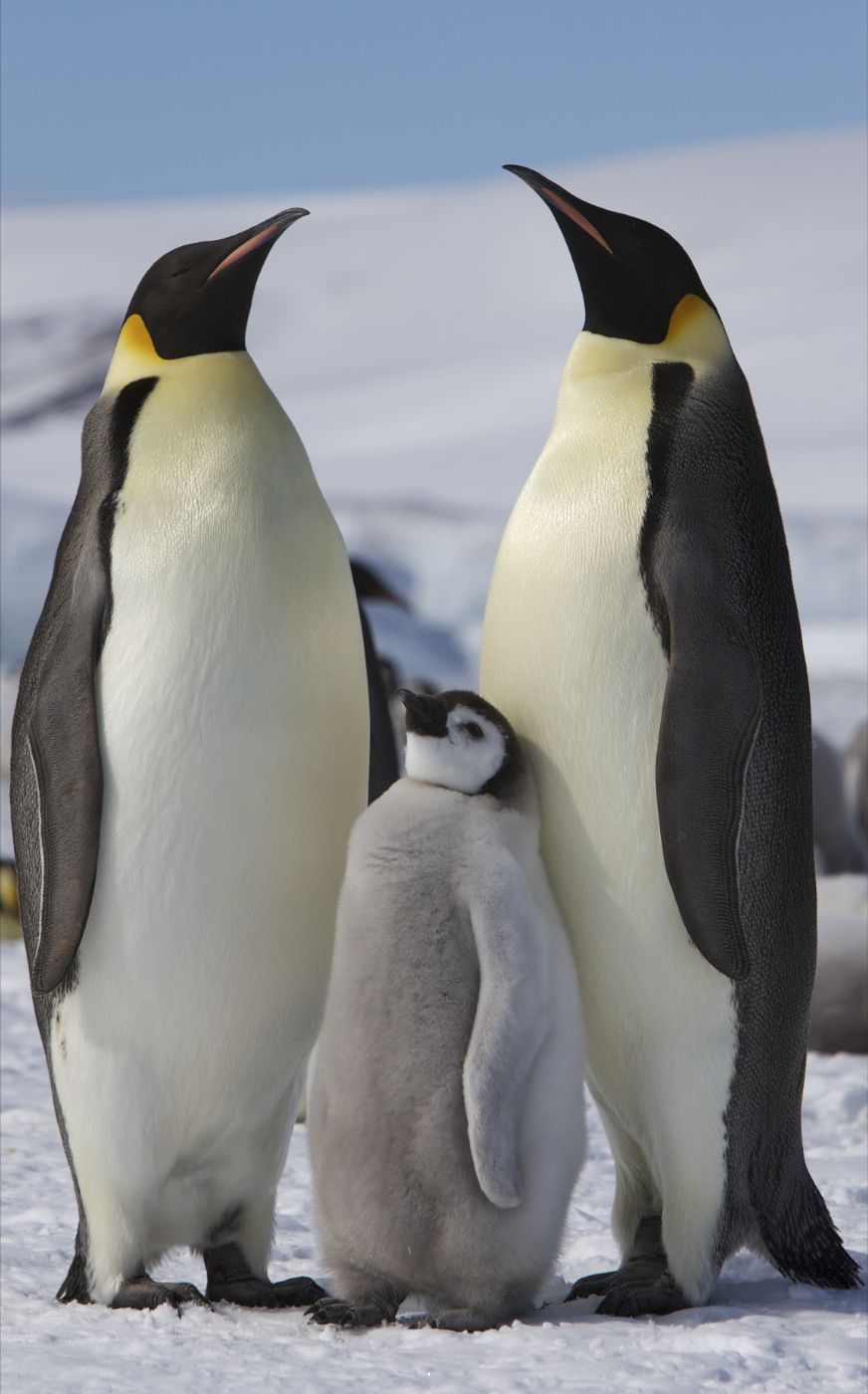
- Emperor penguin: about 15 to 20 years.
- King penguin: 15 to 25 years.
- Little blue penguin: 6 to 7 years.
- African penguin: 10 to 15 years.
In captivity
Often 25 to 30 years or more. The oldest known penguin, a Magellanic penguin, lived 40 years in captivity.
Threats
Leopard seals, orcas, sharks, climate change and food loss.
Status
Nine of the 18 species are threatened (IUCN).
Facts
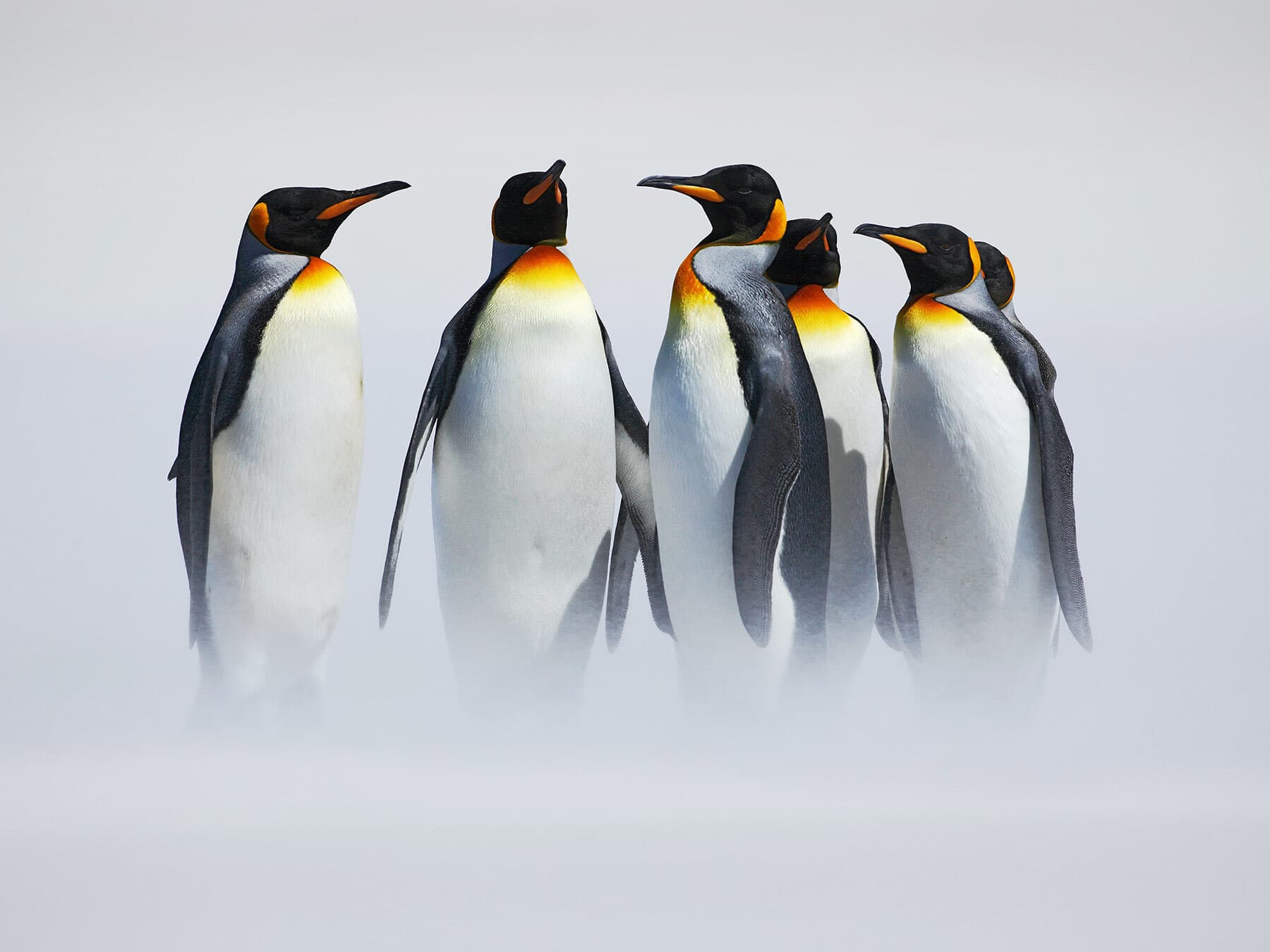
Penguins live in the Southern Hemisphere, and only the Galapagos penguin lives near the equator.
Lifespan by species
Penguin lifespan varies by species. Emperor penguins live about 15 to 20 years in the wild, with some records of 40 years in captivity. King penguins live 15 to 25 years, Adelie penguins 11 to 20, Gentoo penguins 13 to 20, little (blue) penguins 6 to 7 in the wild and Galapagos penguins about 15 to 20. Larger species generally live longer than smaller ones.
In captivity
Captive penguins often live longer than wild ones because of veterinary care, stable food supply and no predators. Zoos have reported African penguins living past 30 years and a few king penguins past 30. The oldest recorded penguin in human care is reported to be a Humboldt penguin that reached about 30 years or more, but verified records are limited.
Threats in the wild
- Leopard seals, orcas, sharks and fur seals, which prey on adults at sea.
- Skuas, gulls and giant petrels, which prey on eggs and chicks.
- Climate change, which affects sea ice and krill. Emperor penguin colonies in the Bellingshausen Sea lost nearly all chicks in 2022 when sea ice broke up early, according to satellite studies.
- Overfishing, which removes fish such as sardines and anchovies that African penguins eat.
- Oil spills, pollution and plastic.
- Avian influenza, which has reached sub-Antarctic birds since 2023.
- Introduced predators like cats, dogs and rats on islands.
Conservation status
Of the 18 penguin species, according to the IUCN, 10 are threatened with extinction. The African penguin is listed as Endangered, with a population drop of more than 95% since the 1900s to around 10,000 breeding pairs. Emperor penguins were moved to Near Threatened in 2020, and studies project that most colonies could be lost by 2100 under high emissions.
Life cycle
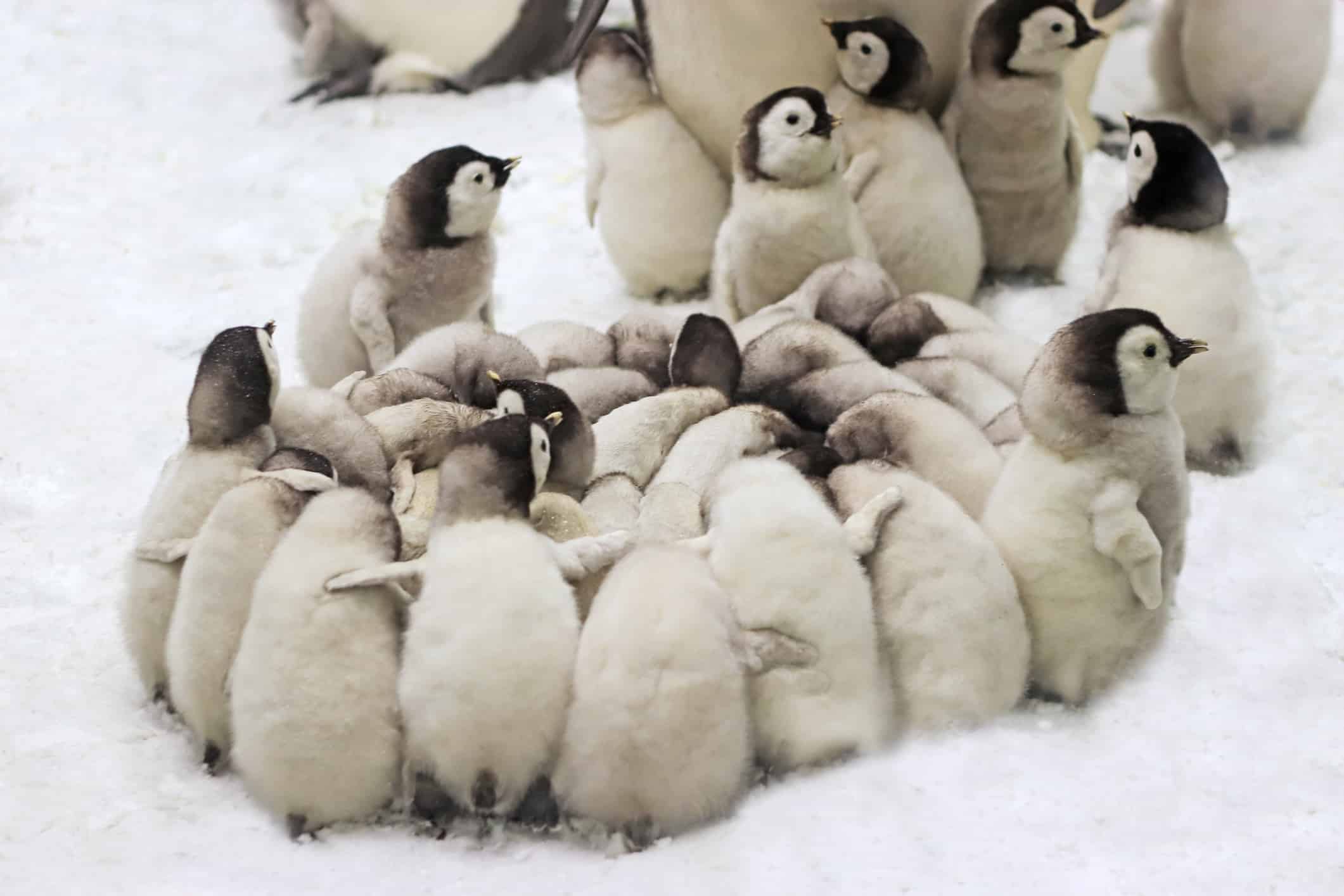
Penguins breed at 3 to 8 years of age depending on species. Emperor penguin males incubate a single egg on their feet for about 65 days through the Antarctic winter without eating, losing up to 45% of body weight. Chicks fledge after 5 months. Many chicks die in the first year, and survival to adulthood can be under 50%.
Facts
- Penguins are flightless birds with wings that act as flippers.
- Emperors dive to more than 500 meters and can hold their breath for over 20 minutes.
- They live almost entirely in the Southern Hemisphere, and the Galapagos penguin lives near the equator.
- Penguins can swim at around 6 to 9 kilometers per hour, with gentoos reaching about 36 kilometers per hour.
Species and numbers
Penguins include 18 species. The emperor penguin lives about 15 to 20 years in the wild, the little blue penguin about 6 to 7 years, and Adelie penguins about 11 to 20 years. In zoos, some penguins live 25 to 30 years. Emperors dive deeper than any other bird, to about 500 m (1,640 ft) and can stay down for more than 20 minutes. Chicks face high mortality: in some colonies, only 1 in 2 or fewer survives their first year. Climate change reducing sea ice and krill harms Antarctic species, and a 2022 study projected emperor penguin colonies could decline by 90 percent by 2100 under high emissions.
Based on data from the British Antarctic Survey and the IUCN