For mild diarrhea in dogs, offer water and a bland diet of boiled chicken and rice. See a vet if it lasts more than a day or two or contains blood.
Mild diarrhea in adult dogs
- Withhold food for 12 hours (not puppies), with water available.
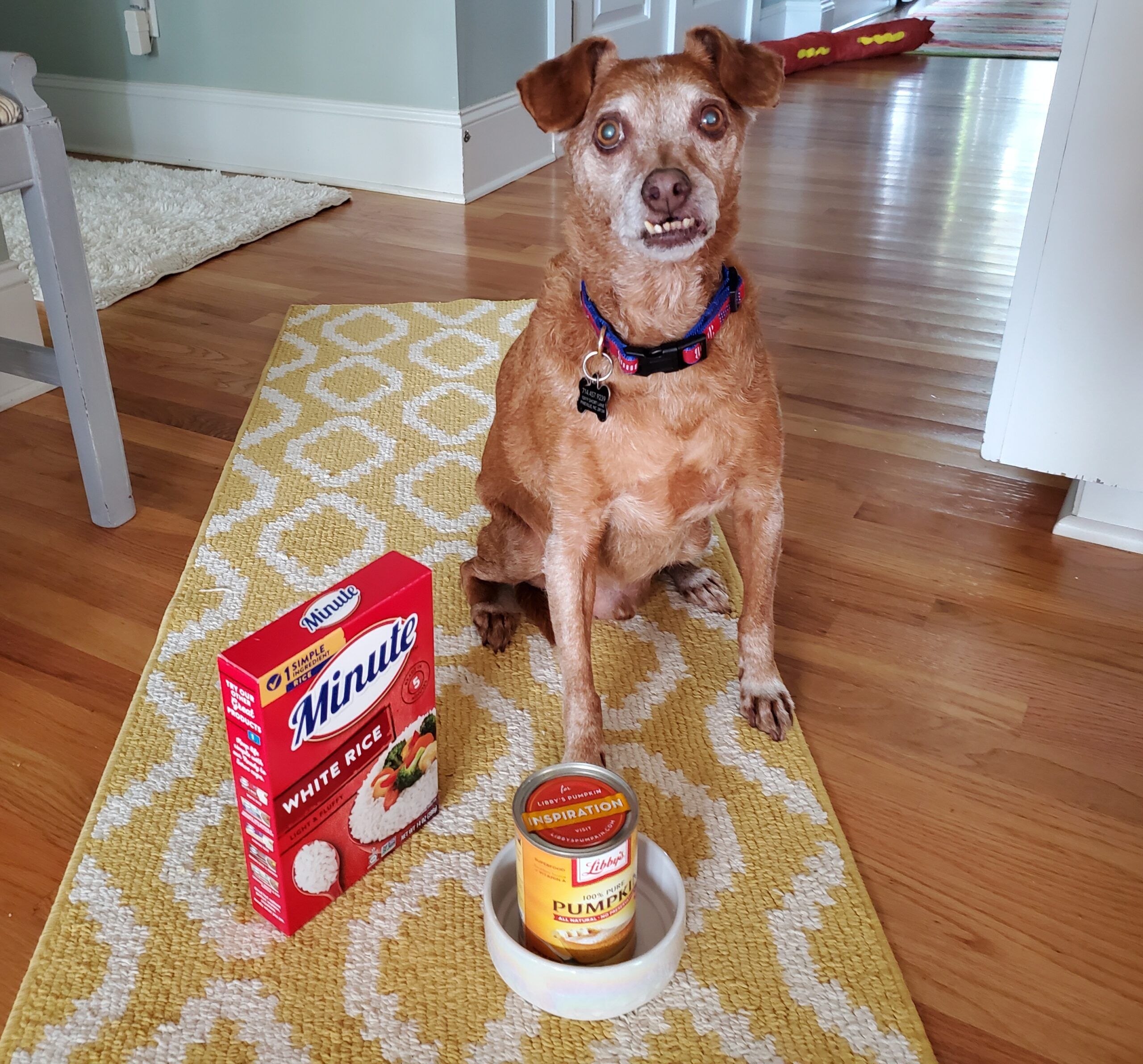
- Then feed a bland diet: boiled chicken (no skin) and white rice in a 1:2 ratio, in small portions.
- Plain canned pumpkin (1 to 4 tablespoons) adds fiber.
- Return to regular food in a few days.
Do not give
Human medicines such as ibuprofen, and be careful with Pepto-Bismol (not for cats). Ask a vet before any drug.
See a vet if
Diarrhea lasts over 24 to 48 hours, there is blood, vomiting, lethargy, fever or the dog is a puppy, senior or small.
Dehydration
Check the gums, which should be moist.
Prevention
Avoid sudden diet changes and table scraps.
Causes of diarrhea in dogs
Dogs get diarrhea from eating something they should not (dietary indiscretion), sudden food changes, stress, parasites like worms and Giardia, bacteria such as Salmonella, viruses like parvovirus, food allergies, and illness such as pancreatitis or inflammatory bowel disease. Many mild cases in adult dogs clear in 24 to 48 hours.
First steps for mild diarrhea in adult dogs
- Withhold food for 12 to 24 hours in healthy adult dogs, with water always available. Do not fast puppies, small dogs, or dogs with other conditions without vet advice.
- Then feed a bland diet in small portions, like boiled chicken without skin and bones and plain white rice, in a 1 to 2 ratio of chicken to rice, 3 to 4 times a day.
- Plain canned pumpkin (not pie filling), 1 teaspoon per 10 pounds of body weight up to 1 to 4 tablespoons, adds fiber.
- Probiotics designed for dogs, such as FortiFlora, can help restore gut bacteria.
- Gradually return to normal food over 3 to 5 days.
Do not give
- Human anti-diarrheal drugs like Pepto-Bismol (it contains salicylate, risky to dogs, especially cats) or loperamide (Imodium), which is unsafe for some breeds with the MDR1 gene mutation, like Collies and Australian Shepherds.
- Milk or dairy, as many dogs are lactose intolerant.
- Fatty, spicy or seasoned foods.
- Any human medicine without veterinary direction.
See a vet if
- Diarrhea lasts more than 48 hours.
- The dog is a puppy, a senior, or has chronic illness.
- There is blood, black tarry stool, vomiting, fever, lethargy, loss of appetite, or belly pain.
- The dog may have eaten a toxin such as chocolate, xylitol, grapes or a foreign object.
- The dog is unvaccinated, as parvovirus is life-threatening and requires hospital care.
Dehydration
Lift the skin on the back of the neck. It should snap back at once. If it stays up, or the gums are dry or tacky, the dog may be dehydrated. Vets can give fluids under the skin or by IV.
Prevention
Keep vaccines and deworming current, introduce new foods slowly over 7 days, keep trash and table scraps away, and limit stress during boarding or travel.
Diet and fluid steps
For mild diarrhea in an otherwise healthy adult dog, many vets advise fasting for 12 hours with access to water, then offering small meals of boiled chicken breast without skin and plain white rice in a ratio of about 1 to 2 for 2 to 3 days. Plain canned pumpkin (not pie filling), 1 to 4 tablespoons depending on size, adds fiber. Probiotics made for dogs, such as Fortiflora, may shorten the episode. Do not give human anti-diarrheals containing bismuth or loperamide without vet approval, since some breeds have a gene variant (MDR1) making loperamide dangerous. Puppies, small dogs and seniors dehydrate quickly and need vet care sooner.
Based on data from the American Kennel Club and the Merck Veterinary Manual