
Americans celebrate Independence Day on July 4 because the Continental Congress approved the Declaration of Independence on July 4, 1776.
Why July 4
The Continental Congress voted for independence on July 2, 1776, and approved the final text of the Declaration of Independence on July 4. The document is dated July 4, so that became the holiday.
First celebrations
Philadelphia held the first anniversary celebration in 1777 with bells, bonfires and fireworks.
Federal holiday
Congress made it an unpaid federal holiday in 1870 and a paid one in 1938.
Traditions
Fireworks, parades, cookouts and concerts.
Famous coincidence
John Adams and Thomas Jefferson both died on July 4, 1826, the 50th anniversary.

Population in 1776
About 2.5 million.
What happened in 1776
On July 2, 1776, the Second Continental Congress voted in favor of independence from Great Britain, with 12 of the 13 colonies voting yes and New York abstaining. John Adams wrote that July 2 would be celebrated for generations. Congress then spent two days editing the Declaration of Independence, drafted mainly by Thomas Jefferson, and approved the final text on July 4, 1776. The document was printed that night by John Dunlap, and its date is the one in the heading, which is why July 4 became the holiday.
Who signed and when
Most delegates signed the engrossed parchment copy on August 2, 1776, not July 4. John Hancock, president of Congress, signed first, in large handwriting. In all, 56 delegates signed. The original is kept at the National Archives in Washington.
First celebrations
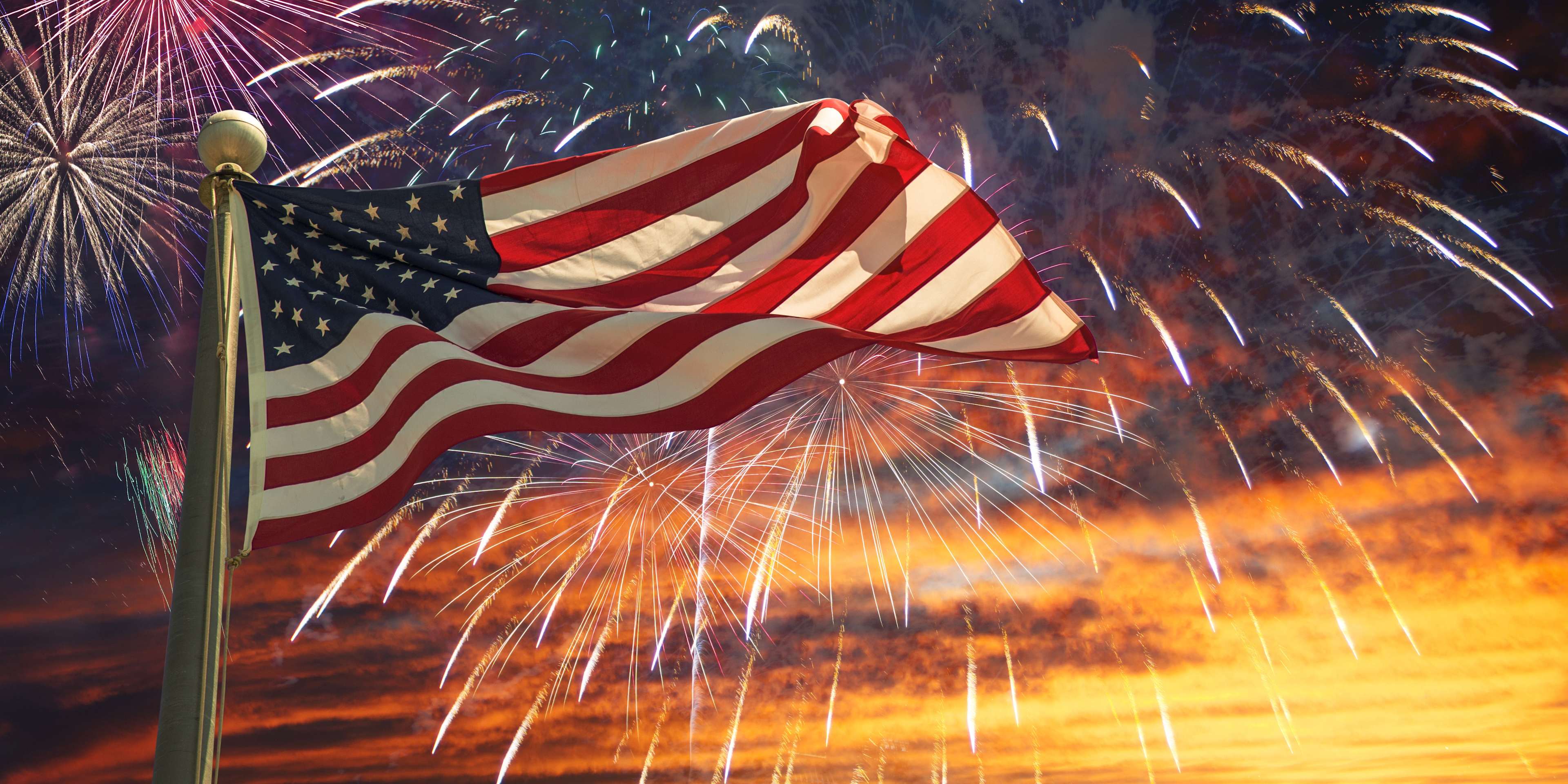
The first public readings took place on July 8, 1776, in Philadelphia, with bells ringing and bonfires. In 1777 Philadelphia held a celebration with a 13-gun salute, fireworks, and ships decorated. Boston began an annual observance in 1783 where the city paid for orations. By the early 1800s, July 4 was a widespread civic holiday.
Federal holiday
Congress made July 4 an unpaid holiday for federal employees in 1870 and a paid federal holiday in 1938. If it falls on a weekend, the observed day is the nearest Friday or Monday.
Traditions
- Parades, concerts and fireworks. Americans spend about $2 billion a year on fireworks, and the Macy’s show in New York launches more than 40,000 shells.
- Barbecues. About 150 million hot dogs are eaten on the day, according to the National Hot Dog and Sausage Council.
- The Nathan’s Hot Dog Eating Contest at Coney Island, held since 1972 in its modern form.
- Reading the Declaration aloud in towns and the Boston Pops concert with the 1812 Overture.
Famous coincidence
John Adams and Thomas Jefferson both died on July 4, 1826, exactly 50 years after the Declaration. James Monroe died on July 4, 1831. Calvin Coolidge was born on July 4, 1872.
Population in 1776
The colonies had about 2.5 million people, and about 20% were enslaved. Today the US has over 330 million people.
Other countries
France celebrates Bastille Day on July 14, Mexico celebrates independence on September 16 and Canada has Canada Day on July 1.

Key dates and numbers
The Continental Congress voted for independence on July 2, 1776, and approved the final wording of the Declaration on July 4. John Adams wrote to his wife Abigail that July 2 would be celebrated with “pomp and parade,” but the 4th became the date on the document. Most delegates signed on August 2, 1776, and the last signer, Thomas McKean, may have signed as late as 1781. The first public reading took place on July 8 in Philadelphia. Thomas Jefferson was the principal author, with edits by Adams and Benjamin Franklin. The population of the 13 colonies was about 2.5 million in 1776, and today the US has over 335 million people. Congress made July 4 an unpaid federal holiday in 1870 and a paid holiday in 1938. John Adams and Thomas Jefferson both died on July 4, 1826, the 50th anniversary.
Based on data from the National Archives and the Library of Congress







