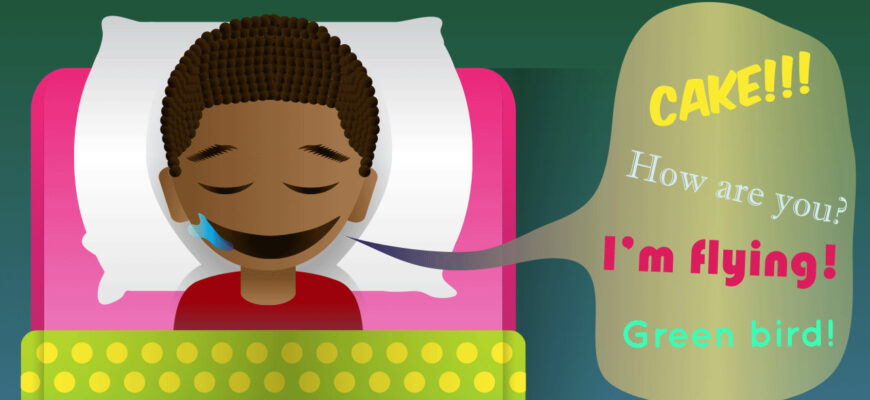
People talk in their sleep because of normal brain activity during sleep. It is more common with stress, sleep loss, or fever and is generally harmless.
What it is
Sleep talking (somniloquy) is common. About two thirds of people do it at some point.
When it happens
In any stage of sleep. It usually lasts under 30 seconds.
Causes
- Stress and anxiety.
- Sleep deprivation.
- Fever and alcohol.
- Other sleep disorders.
- Genetics.
Is it harmful
Not usually. It is more common in children.
See a doctor
If it is frequent, with screaming, violent movement or daytime sleepiness.
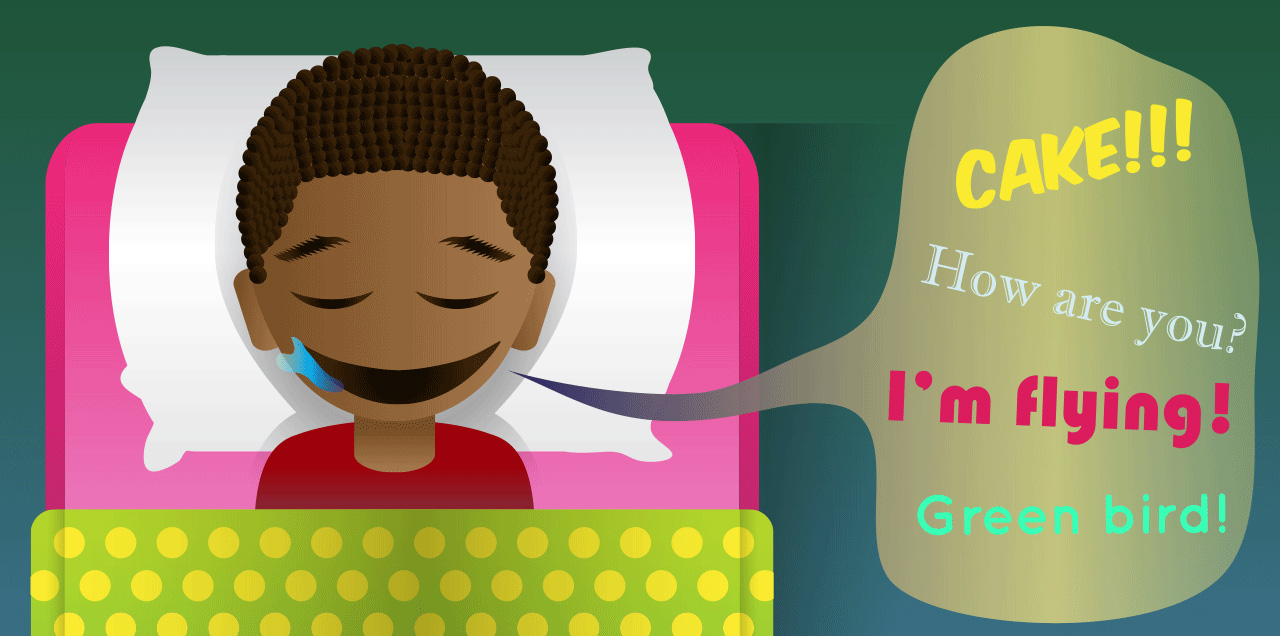
Name and classification
Sleep talking is called somniloquy. It is a parasomnia, an unusual behavior during sleep, and can happen in any stage of sleep.
How common
Around two thirds of people talk in their sleep at some point, and about 5% do it regularly. It is more common in children and often runs in families. About half of children between ages 3 and 10 talk in their sleep, according to studies.
What is said
Speech may be mumbling, a single word, full sentences or even shouting. Content is often nonsense and not necessarily related to dreams. People rarely remember it.
Stages of sleep
During REM sleep, muscles are paralyzed, so speech is muted. In non-REM stages, particularly slow wave sleep, talking can be clearer.
Triggers
- Stress and anxiety.
- Sleep deprivation and irregular schedules.
- Fever and illness.
- Alcohol and some medications.
- Other sleep disorders such as sleep apnea, night terrors, sleepwalking and REM sleep behavior disorder.
- Mental health conditions.
Is it harmful
Usually it is harmless, though it can disturb bed partners. It does not mean someone is revealing secrets, and the content is unreliable.
Tips to reduce
- Keep a regular sleep schedule with enough hours (7 to 9 for adults).
- Reduce caffeine and alcohol.
- Manage stress with exercise or relaxation.
- Create a dark, cool, quiet bedroom.
- Treat sleep apnea if present.
When to see a doctor
Seek advice if talking starts in adulthood suddenly, comes with violent movements, screaming, choking or breathing pauses, or leads to daytime sleepiness. A sleep study may be recommended.
Prevalence and stages
Sleep talking, or somniloquy, is a very common parasomnia: about two thirds of people talk in their sleep at some point, and about half of children do it. It can happen in any stage of sleep, with the most understandable speech in lighter non REM sleep. Most episodes last seconds and involve mumbling or short phrases, though some include full sentences. Sleep talking tends to run in families. It is usually harmless and often unremembered.
Triggers and when to check
Stress, sleep deprivation, fever, alcohol, irregular sleep schedules and some medicines can increase sleep talking. Sleep disorders such as sleep apnea, night terrors and sleepwalking may come with it. REM sleep behavior disorder, where a person acts out dreams, sometimes with shouting or violent movements, mostly affects older adults and can be an early sign of neurological disease, so see a doctor if it occurs. To reduce sleep talking, keep a regular schedule, limit alcohol and caffeine, manage stress and make the bedroom quiet and dark. A sleep study can help in complex cases.
Based on data from the American Academy of Sleep Medicine and the Cleveland Clinic




