Small period clots are common. See a doctor if clots are larger than a quarter or bleeding soaks through pads hourly.
Normal
Small period clots are common, especially on heavy days. Clots are made of blood, tissue and clotting proteins that keep menstrual flow from being too heavy.
Size
Clots smaller than a quarter are usually normal. Larger clots can signal heavy bleeding.
Causes of large clots
- Fibroids or polyps.
- Adenomyosis and endometriosis.
- Hormonal imbalance.
- Miscarriage.
- Bleeding disorders.
See a doctor if
- Clots are larger than a quarter.
- You soak through a pad or tampon every hour for 2 hours.
- Periods last more than 7 days.
- You feel weak or dizzy.
Pregnancy

Heavy bleeding with clots in pregnancy needs urgent care.
Treatment
Medicines or procedures depending on the cause.
What is normal
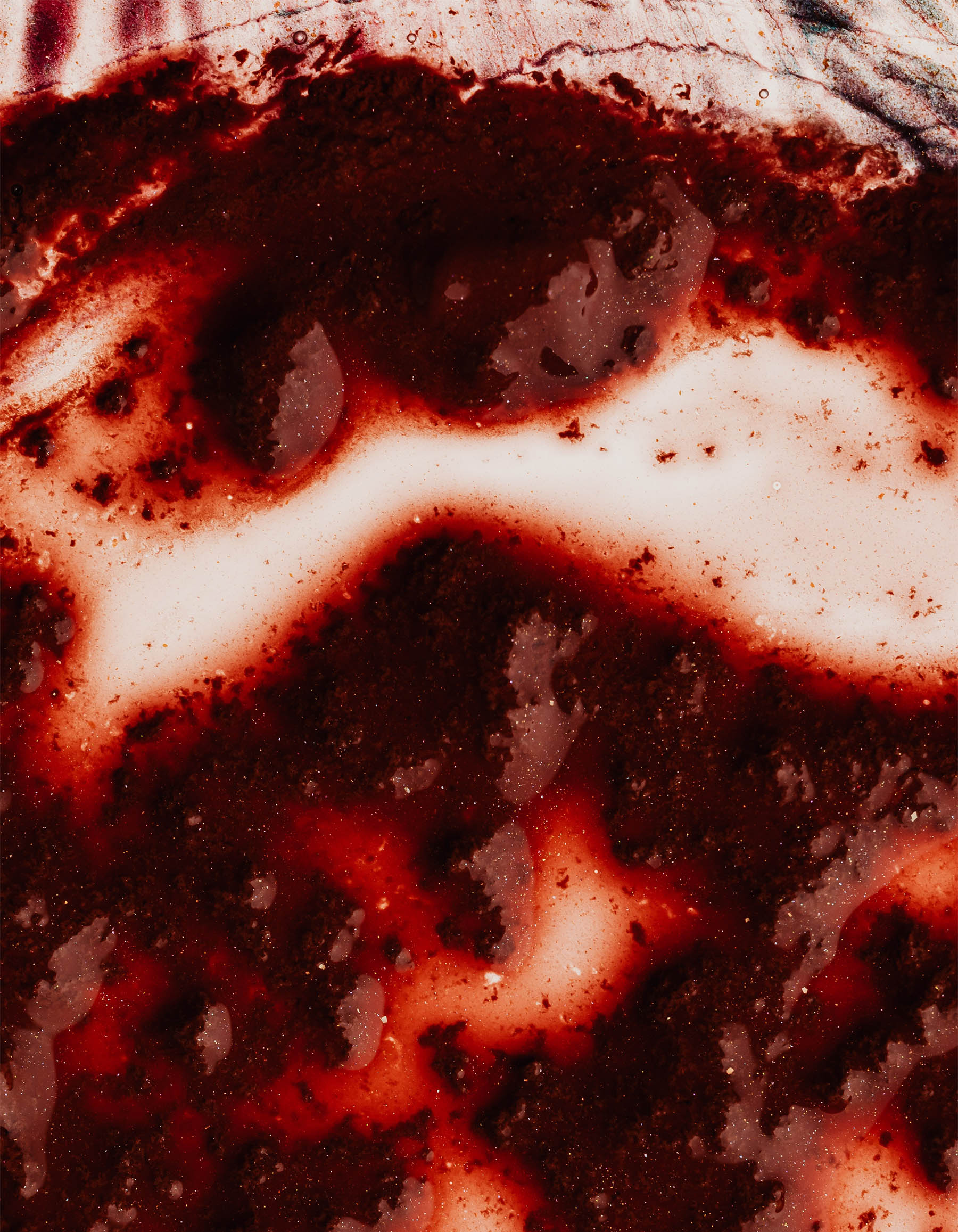
Passing blood clots during a period is common, especially during the heaviest days. Menstrual blood clots form when blood pools in the uterus and cannot flow out fast enough. The body releases anticoagulants to keep blood liquid, and when flow is heavy, these cannot keep up, so clots form. Clots are usually dark red or maroon and can look jelly-like.
Size

Small clots, up to the size of a quarter or about 2.5 centimeters, are generally considered normal. Clots larger than a quarter, or frequent clots, may suggest heavy bleeding. Heavy menstrual bleeding is defined as losing more than 80 milliliters in a cycle or bleeding for more than 7 days. It affects about 1 in 5 women, according to the CDC.
Causes of large clots
- Uterine fibroids: noncancerous growths in the uterine wall, found in up to 70% to 80% of women by age 50.
- Adenomyosis and endometriosis.
- Polyps in the uterus.
- Hormone imbalance such as polycystic ovary syndrome (PCOS) and thyroid disease.
- Bleeding disorders such as von Willebrand disease, which affects about 1% of people and is often underdiagnosed in women with heavy periods.
- Intrauterine devices (IUD), especially copper IUDs.
- Miscarriage or complications of pregnancy.
- Perimenopause.
- Blood thinner use.
See a doctor if
- You soak through a pad or tampon every hour for several hours.
- You pass clots larger than a quarter regularly.
- Periods last longer than 7 days.
- You feel dizzy, weak, short of breath or very tired, which can be signs of anemia.
- Bleeding is accompanied by severe pain or fever.
Go to the emergency room for very heavy bleeding with fainting.
Pregnancy
Heavy bleeding with clots during early pregnancy can signal a miscarriage. If you are or may be pregnant and have bleeding with clots or tissue, contact a doctor right away. Up to 1 in 5 known pregnancies end in miscarriage.
Treatment
Treatment depends on the cause: hormonal birth control or hormonal IUD (which can reduce menstrual blood loss by about 70% to 90%), tranexamic acid tablets taken during the period, NSAIDs like ibuprofen, iron supplements for anemia, and procedures such as endometrial ablation, fibroid removal or hysterectomy for severe cases. A doctor may order blood tests, pelvic ultrasound or endometrial biopsy.
Why clots form and typical sizes
Menstrual clots form when blood pools in the uterus long enough for anticoagulants to be overwhelmed, so they are more common on the heaviest days. Small clots up to the size of a quarter, which is about 2.4 cm, are generally considered normal. Clots larger than a quarter, or frequent clots with soaking a pad or tampon every hour for several hours, can signal heavy menstrual bleeding. Possible causes include uterine fibroids, adenomyosis, polyps, hormonal imbalance, bleeding disorders such as von Willebrand disease, and thyroid disease. A miscarriage may also pass tissue and clots, so pregnancy should be considered if a period is late. Heavy bleeding can cause iron deficiency anemia, with symptoms such as fatigue, pale skin and shortness of breath.
Based on data from ACOG and the Mayo Clinic