Frequent diarrhea can be caused by infection, food intolerance, medicines, or conditions like IBS. See a doctor if it lasts more than two days.
Duration
Acute diarrhea lasts under 2 weeks, persistent diarrhea 2 to 4 weeks, and chronic more than 4 weeks.
Causes
- Viral or bacterial infections, parasites.
- Food intolerance (lactose, gluten).
- Medicines (antibiotics, metformin, magnesium).
- IBS and inflammatory bowel disease.
- Celiac disease.
- Artificial sweeteners.
Care
Drink fluids (oral rehydration solution), eat bland foods and avoid dairy and fatty foods.
See a doctor if
Diarrhea lasts over 2 days (children) or more than a week, with blood, black stool, fever above 102 F, dehydration or severe pain.

Dehydration signs
Dark urine, dizziness and dry mouth.
What diarrhea is
Diarrhea means three or more loose or watery stools a day. Acute diarrhea lasts less than 2 weeks, persistent diarrhea 2 to 4 weeks and chronic diarrhea more than 4 weeks. Most acute cases come from infection and clear on their own within 2 to 3 days.
Common causes of acute diarrhea
- Viral gastroenteritis from norovirus and rotavirus.
- Bacteria such as Salmonella, E. coli and Campylobacter from contaminated food and water.
- Parasites such as Giardia.
- Medications, mainly antibiotics, which cause diarrhea in 5% to 25% of users, and metformin.
- Food poisoning and traveler’s diarrhea.

Common causes of repeated or chronic diarrhea
- Irritable bowel syndrome (IBS), affecting 10% to 15% of people.
- Lactose intolerance and other food intolerances, like fructose and sugar alcohols.
- Celiac disease.
- Inflammatory bowel disease: Crohn’s disease and ulcerative colitis.
- Microscopic colitis, bile acid diarrhea, and small intestine bacterial overgrowth.
- Hyperthyroidism, diabetes and pancreatic disease.
- Caffeine, alcohol and artificial sweeteners.
- Anxiety and stress.
Care at home
- Drink plenty of fluids. Oral rehydration solutions are best, as they replace sodium, potassium and glucose.
- Eat small, bland meals like bananas, rice, toast and applesauce as tolerated, and gradually return to a normal diet.
- Avoid dairy, greasy foods, caffeine and alcohol for a few days.
- Loperamide can be used in adults with watery diarrhea without fever or blood.
- Probiotics may shorten infectious diarrhea by about a day.
See a doctor if
Diarrhea lasts more than 2 days in adults, 24 hours in infants, you have a fever above 102 F, blood or pus in stool, severe belly pain, or you have been on antibiotics recently. Persistent or recurrent episodes need tests such as stool tests, blood tests and colonoscopy.
Signs of dehydration
Thirst, dry mouth, dark urine or little urine, dizziness, fatigue, sunken eyes, and in babies, no wet diaper for 3 hours or more or no tears when crying. Severe dehydration needs urgent care.
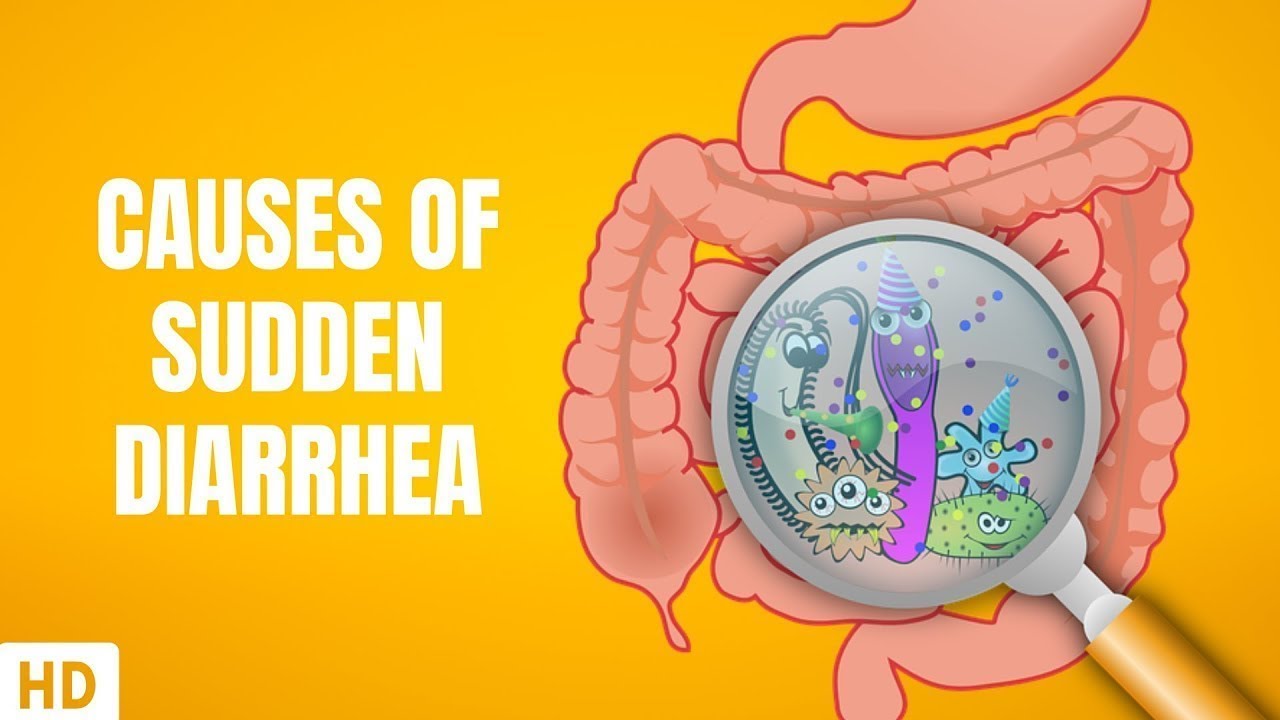
Infectious and chronic patterns
Acute diarrhea usually lasts 1 to 3 days and is caused by viruses such as norovirus or by bacteria such as Salmonella, Campylobacter or E. coli. Chronic diarrhea lasts more than 4 weeks and can come from irritable bowel syndrome, celiac disease, inflammatory bowel disease, microscopic colitis, lactose intolerance, medicines and bowel infections such as Clostridioides difficile after antibiotics. Oral rehydration solution with sodium and glucose is the standard for dehydration, and the WHO formula has saved millions of lives. Avoid anti-diarrheal drugs such as loperamide if there is fever or bloody stool. A doctor may order stool tests and blood tests.
Based on data from the CDC and the World Health Organization