Green poop is often caused by leafy greens, food coloring, or food moving quickly through the gut. See a doctor if it persists.
Common causes
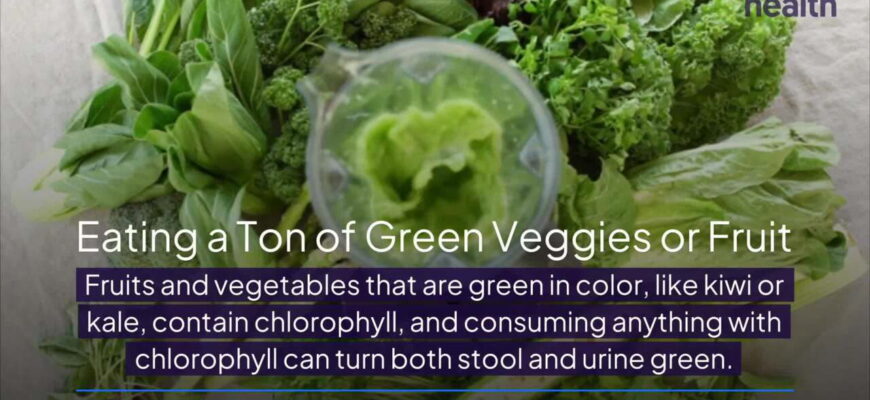
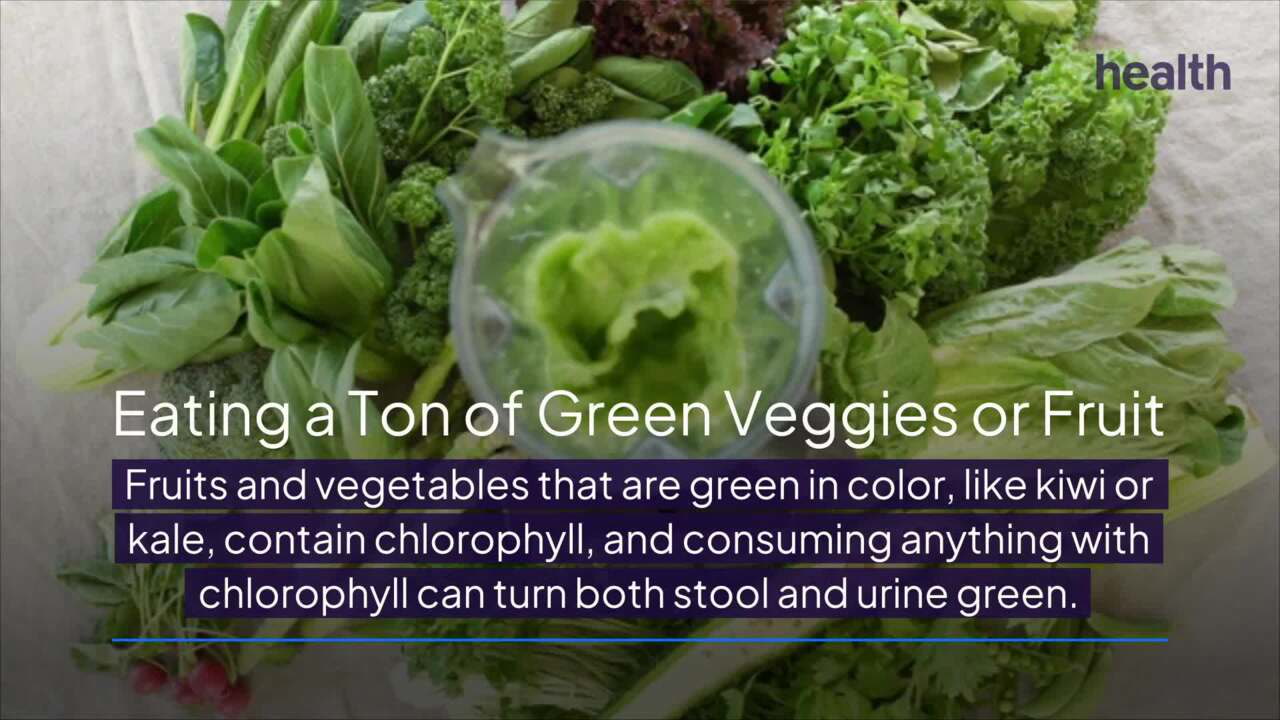
- Green leafy vegetables (spinach, kale).
- Green food coloring.
- Iron supplements.
- Food moving too fast through the gut (diarrhea): bile hasn’t turned brown yet.
- Bile in stool.
- Antibiotics.
Infants
Green stool is common in babies.
Illness
Infections like Giardia or salmonella and conditions like IBS or celiac may cause green diarrhea.
When to see a doctor
Green stool lasts more than a few days, with diarrhea, fever, blood or pain.
Normal
Stool color varies between brown and green depending on diet and bile.
Black or red
Black or bloody stool needs urgent evaluation.
Common causes
Green poop is often normal and usually relates to diet or how fast food moves through the gut.
- Green foods: leafy greens like spinach, kale and broccoli, spirulina, and foods with green coloring.
- Food dyes: green, blue or purple dyes in drinks, ice pops, cake icing and candy.
- Iron supplements, which often cause very dark green or black stools.
- Fast transit: when food moves quickly through the intestines (diarrhea), bile does not have time to break down fully from green to brown. Bile is a yellow-green fluid produced by the liver.
- Antibiotics, which change gut bacteria.
- Gastrointestinal infections like Salmonella, Giardia, norovirus.
- Irritable bowel syndrome, Crohn’s disease, celiac disease.
- Laxatives.
- Gallbladder removal, which can increase bile reaching the colon.
Infants
Green stool is common in babies. Meconium, the first stool of newborns, is dark green to black. Breastfed babies can have green, mustard-colored stools. Formula with iron can produce dark green stools. Introducing solids with green vegetables also changes color. It is usually not worrisome if the baby is feeding and gaining weight.
Illness
Green stool with diarrhea, fever, vomiting or cramps may signal an infection. Stool that is frothy, green and smelly can occur with Giardia or lactose intolerance.
When to see a doctor
See a doctor if green stool lasts more than a few days with no clear diet cause, or if you have diarrhea for more than 2 days, blood or mucus in stool, severe belly pain, fever above 101 F, dehydration, or unintended weight loss.
Normal
Normal stool ranges from light brown to dark brown. Brown comes from bilirubin, a pigment from broken-down red blood cells, which bacteria change in the gut.
Black or red
Black, tarry stool can signal bleeding in the stomach or upper intestine, although iron, bismuth subsalicylate (Pepto-Bismol), and black licorice can cause it too. Bright red blood may come from hemorrhoids or lower bowel bleeding. Pale, clay-colored stool may signal a bile duct problem. Seek medical care for black, bloody or pale stool.

Digestive transit and bile pigments
Stool is brown due to bile pigments, and green stool often means food moved through the intestine too quickly for bile to break down completely. Leafy greens, spinach, kale, green food coloring, iron supplements and green sports drinks can turn stool green. Diarrhea, stomach infections such as Salmonella and Giardia, antibiotics, and conditions like Crohn disease or celiac disease can too. In breastfed or formula fed babies, green stool can be normal, and newborns pass dark green meconium in the first days. Most green stool resolves in 1 to 3 days. Black or tarry stool may signal bleeding in the upper digestive tract, and bright red blood suggests lower tract bleeding or hemorrhoids, and both need medical assessment. See a doctor for green stool with persistent diarrhea over 2 days, fever, abdominal pain, dehydration or weight loss.
Based on data from the Mayo Clinic and the Cleveland Clinic